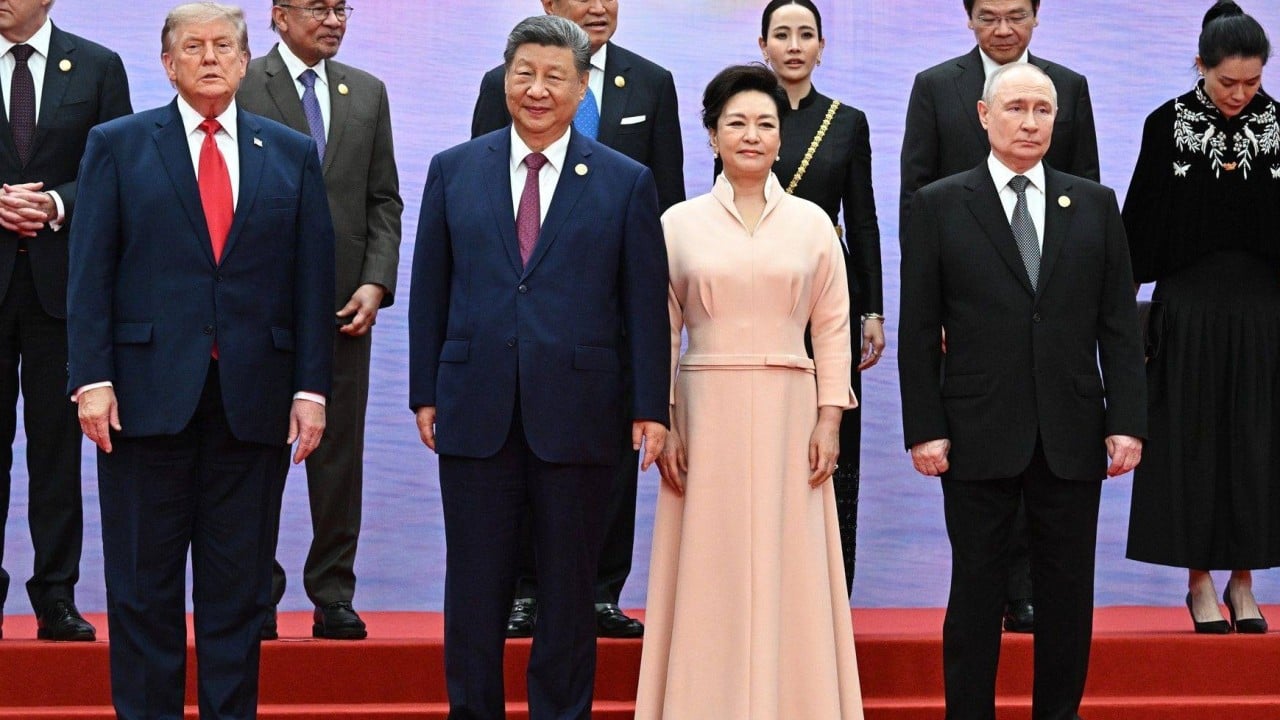
World leaders gathered in Shenzhen for the Apec summit, bringing heavy security, high-stakes diplomacy, and plenty of theater. While the media focused heavily on the formal talks and grand handshakes, the real story happened in the subtle details of cultural diplomacy. If you only watched the headline press conferences, you missed how language, music, and local identity shaped the room.
Peng Liyuan And The Power Of Soft Diplomacy
China's first lady, Peng Liyuan, commanded attention during the leaders' arrival events. Known for her background as a prominent folk singer and performing artist, Peng managed the social choreography of the summit with absolute composure. Observers noted her ease with international guests, particularly during welcoming moments where her English proficiency helped bridge gaps and set a relaxed tone.
Soft power isn't an accident. When leaders meet under high tension, the pressure cooker of formal negotiations often stalls progress. Cultural hosts use first-lady programming and localized artistic showcases to lower defenses. Peng's involvement wasn't just decorative; it served as a calculated diplomatic buffer, keeping channels open when political rhetoric stiffened.
The Cantonese Musical Heritage On Full Display
The banquet menu and entertainment in Shenzhen leaned heavily into regional identity. Moving away from generic international hotel catering, the event showcased Cantonese culinary classics paired with global musical arrangements. Dishes combined local seafood traditions with Western touches, reflecting Shenzhen's unique position as a global tech hub rooted in Lingnan culture.
Music played a parallel role. Organizers integrated traditional Cantonese classics with globally recognized tunes, creating an atmosphere designed to disarm visiting delegations. When classic regional melodies echo through a room containing geopolitical rivals, it sends a quiet message about continuity and local pride.
Why Regional Identity Mattered In Shenzhen
Choosing Shenzhen as the host city for this year's Apec summit was a deliberate statement. As China's premier technology and innovation capital, Shenzhen represents rapid economic transformation. Yet, by weaving Cantonese cultural elements, local dialect nods, and regional artistic traditions into the core of the summit, the host nation anchored cutting-edge modernity in deep local heritage.
Foreign delegations had to navigate more than just trade policies and security briefings. They walked into a carefully curated environment where every detail—from the musical setlist to the menu curation—spoke to a specific geographic and cultural identity. Those who skimmed past the cultural curation missed how modern statecraft relies just as much on a well-chosen melody as it does on a signed communique.