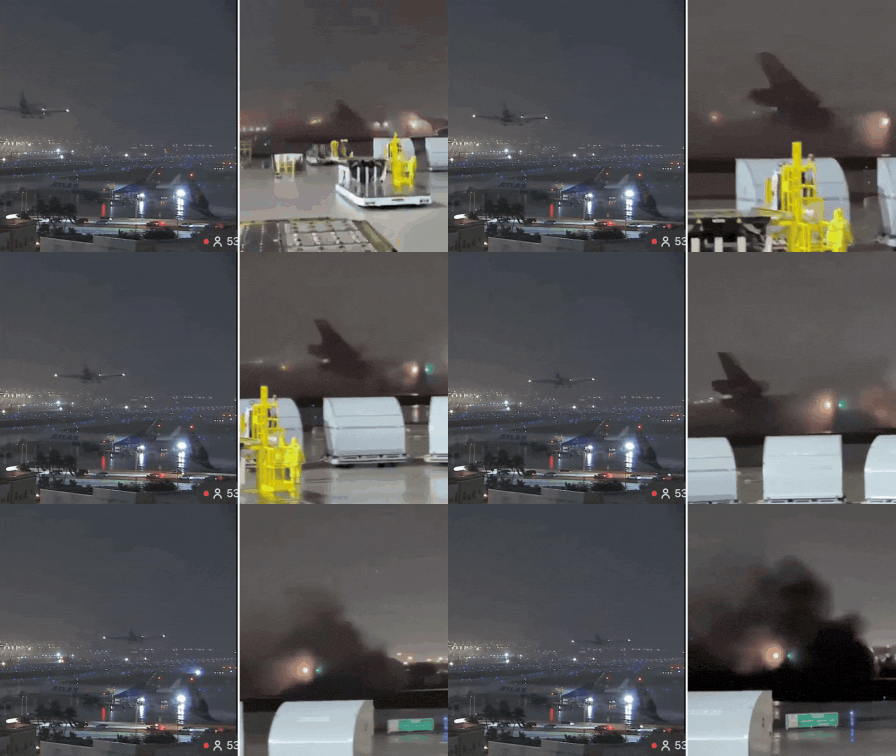
A FedEx cargo plane overran Runway 26R at Miami International Airport around 8:40 p.m. on Wednesday night, November 25, 2026, right in the middle of the Thanksgiving travel rush. Nobody on board was hurt, and emergency crews reported no fire or smoke. Still, the Federal Aviation Administration issued a ground stop for Miami-bound flights, closed nearly every runway except Runway 9R for a stretch, and left thousands of holiday travelers checking flight status boards on Thanksgiving eve.
On paper, a runway excursion with zero injuries sounds like a close call that ended well. In practice, this one hits a nerve for three big reasons. First, it happened during one of the busiest travel nights of the year at a major international gateway. Second, the aircraft was a McDonnell Douglas MD-11 arriving from Memphis, a fleet type that only returned to service in May 2026 after a grounding and Boeing fix following a fatal cargo crash in Kentucky last year. Third, Miami International Airport is still raw from a deadly September 6, 2026 cargo freighter overrun that killed five people.
When a heavy freighter goes off the pavement in Miami right now, nobody treats it like a routine blip.
Why the FedEx runway excursion rattled Miami right before Thanksgiving
Holiday air travel runs tight on normal weeks. On the night before Thanksgiving, airports operate with almost zero slack because passenger jets and freighters share tight arrival windows, and Miami International Airport handles massive domestic and Latin American traffic at the same time.
According to reports from CBS Miami and the airport, the FedEx aircraft—operating flight FX910 from Memphis—went off Runway 26R around 8:40 p.m. ET, with two people on board and no reported injuries. Miami-Dade Sheriff's Office deputies and Miami-Dade Fire Rescue responded to the scene, while the FAA placed a ground stop on flights headed to Miami and temporarily shut down all runways except Runway 9R.
Even when a runway closes for only a couple of hours, the ripple effect stretches into the next morning. Aircraft sit out of position, crews time out, and passengers who thought they were beating the holiday rush end up stuck at departure gates or rebooking on Thanksgiving morning. From my perspective covering aviation operations and airport disruptions, the real pain point isn't just the runway closure itself—it's how fast a single disabled aircraft on a busy airfield turns a tight schedule into a domino chain.
Why the MD-11 freighter draws extra scrutiny
Most casual travelers don't track cargo fleet histories, so let's be honest about why plane spotters and safety watchers immediately zeroed in on the aircraft type. The MD-11 is a classic three-engine widebody freighter originally designed by McDonnell Douglas and later supported by Boeing. Airlines love its payload capacity and range for hub-and-spoke cargo runs like Memphis to Miami, yet older tri-jets face constant maintenance and lifecycle scrutiny.
This specific incident arrives months after a high-profile cargo crash involving an MD-11 in Kentucky last year, in which an engine separated during takeoff and killed three pilots and 12 people on the ground. Following that tragedy, the MD-11 fleet faced intense oversight and grounding before the FAA approved Boeing's proposed fix and FedEx resumed operating its MD-11s in May 2026, as reported by The Independent.
Having a runway excursion happen on an MD-11 in November 2026 doesn't prove a mechanical failure or a repeat of last year's takeoff accident. Investigators haven't pinned the cause on the aircraft yet, and runway overruns can stem from braking action, touchdown point, weather, or airfield geometry. Still, when a fleet has recently climbed back into regular service after a major safety review, every abnormality gets a magnifying glass.
The shadow of September's deadly cargo crash in Miami
You can't look at Wednesday night's runway overrun in isolation without looking at what happened at Miami International Airport less than three months earlier. On September 6, 2026, a Boeing 767 cargo plane operated on an Amazon air route overran a runway upon landing in Miami and struck vehicles, killing five people, according to 21 Air Flight 7598 coverage and local reporting.
That's why the geography matters so much here. Even though Wednesday's FedEx overrun happened on Runway 26R rather than repeating the exact path of the September crash, several runways at Miami International Airport converge near the western end of the airfield. Knowing the aircraft ended up near that broader western zone naturally spikes anxiety for airport workers, nearby motorists, and local officials.
In aviation safety, "no injuries" is always the headline you want to read. Yet from a risk-management standpoint, two cargo runway overruns at the same major hub within a single season is a warning sign worth watching closely. Airfield boundaries,
What investigators and travelers actually need to watch next
A lot of online posts treat any runway overrun as a near-catastrophe or jump straight to blaming a single factor. That's a mistake. A runway excursion simply means an aircraft didn't stop within the remaining paved runway length on landing or takeoff—sometimes it rolls a short distance onto soft ground or an arresting bed, and sometimes it breaches perimeter areas with severe consequences.
Here is what actually matters as details come out after Wednesday night's event:
- Official agency findings: Watch for updates from the FAA and the National Transportation Safety Board (NTSB) to see whether this stays a routine runway excursion review or rises to a formal NTSB investigation, and what they say about braking, touchdown distance, and runway condition.
- Runway availability in Miami: Confirm whether all Miami International Airport runways have returned to normal service or if lingering maintenance and aircraft recovery work are still trimming hourly arrival rates during peak holiday banking windows.
- Holiday flight and shipment buffers: If you're flying through Miami or counting on time-sensitive shipments over Thanksgiving weekend, build extra cushion into connections and check airline or carrier tracking directly rather than relying on stale status screens.
If you're traveling through South Florida over the holiday stretch, check your airline app before leaving for the airport, give yourself extra time for tight connections, and keep an eye on official FAA and airport advisories rather than rumor threads.