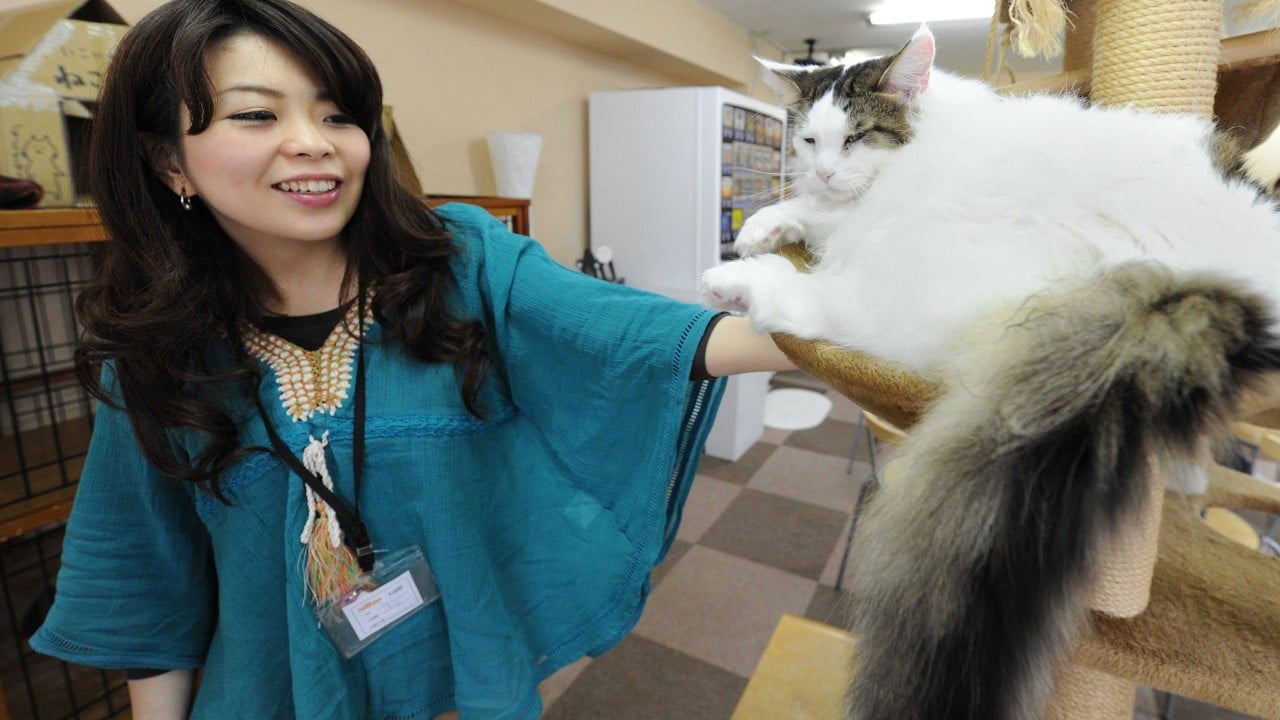
You have probably seen them scrolling through your feed. A traveler smiling softly as a tiny hedgehog curls up in their palm, or an owl perched quietly on someone's shoulder while they sip an iced latte. Japan’s animal cafes look like absolute paradise on screen. They market themselves as cozy havens of comfort. But behind the Instagram-friendly aesthetics, a massive reckoning is underway.
Japan's Ministry of the Environment is launching a comprehensive national fact-finding survey targeting animal cafes. Authorities are finally stepping in to examine what is actually happening behind closed doors. The probe follows mounting pressure from animal welfare advocates and a damning 2025 study by World Wide Fund for Nature Japan. If you are planning a trip or you love these spots, you need to know the reality of what is happening on the ground. If you found value in this piece, you might want to read: this related article.
The Dark Side of Exotic Pet Cafes
It is not just cats and dogs anymore. You can visit cafes featuring capybaras, otters, raccoons, micro-pigs, hedgehogs, and reptiles. These are wild animals, plain and simple. They do not belong in brightly lit indoor rooms with constant human chatter, flashing cameras, and sticky hands passing them around for twelve hours a day.
WWF Japan's investigation uncovered alarming details. Several cafes housed endangered species listed on the International Union for Conservation of Nature Red List, alongside species heavily restricted by international wildlife trade conventions. When quirky exotic pets trend online, the black market responds to fill the demand. Capturing and trading rare wildlife to supply trendy urban cafes creates a destructive pipeline that hurts global conservation efforts. For another perspective on this story, see the latest coverage from Apartment Therapy.
Hygiene Failures and Hidden Pathogens
Beyond animal welfare, public health is a ticking clock. The government survey is not only looking at cage sizes and lighting; it is auditing sanitary practices.
Microbiological testing across multiple facilities has previously detected dangerous pathogenic bacteria, including salmonella. Many establishments fail to enforce basic hygiene protocols. Visitors are often handed treats to feed the animals and then encouraged to pet them without mandatory handwashing stations immediately accessible. When tourists handle dozens of exotic creatures in cramped indoor spaces with poor ventilation, the risk of zoonotic disease transmission jumps significantly.
The Regulatory Crackdown Begins
Japan's legal framework is shifting rapidly. Recent amendments to the Animal Welfare and Management Act have tightened restrictions, especially regarding operating hours and minimum space requirements per animal. Under current guidelines, businesses must provide dedicated rest areas where animals can completely hide from human view. They are also barred from exploiting nocturnal creatures during peak daytime hours without proper relief.
Yet, enforcement has always been lax. Local authorities relied heavily on voluntary compliance. This upcoming government probe marks the first time the national administration is gathering hard data to potentially draft stricter, binding penalties. On-site inspections are slated to ramp up, putting shady operators on notice.
How to Spot Ethical Spaces
Not every animal venue is a disaster. There is a massive difference between a commercial exotic animal petting zoo and a legitimate rescue adoption center.
Look closely at how the business operates before you hand over your admission fee. Ethical rescue cafes focus entirely on rehoming abandoned cats and dogs, working alongside certified non-profit organizations. Their primary goal is adoption, not entertainment.
Check these markers before visiting any animal space:
- The venue partners with recognized veterinary clinics or rescue groups.
- Animals have private, off-exhibit backrooms where they can escape public view at will.
- Staff actively restrict handling times and strictly enforce hand disinfection.
- There are no wild, endangered, or strictly nocturnal exotic species on display.
Skip the exotic petting spots entirely. Support places that prioritize rehabilitation over profit. Vote with your wallet.