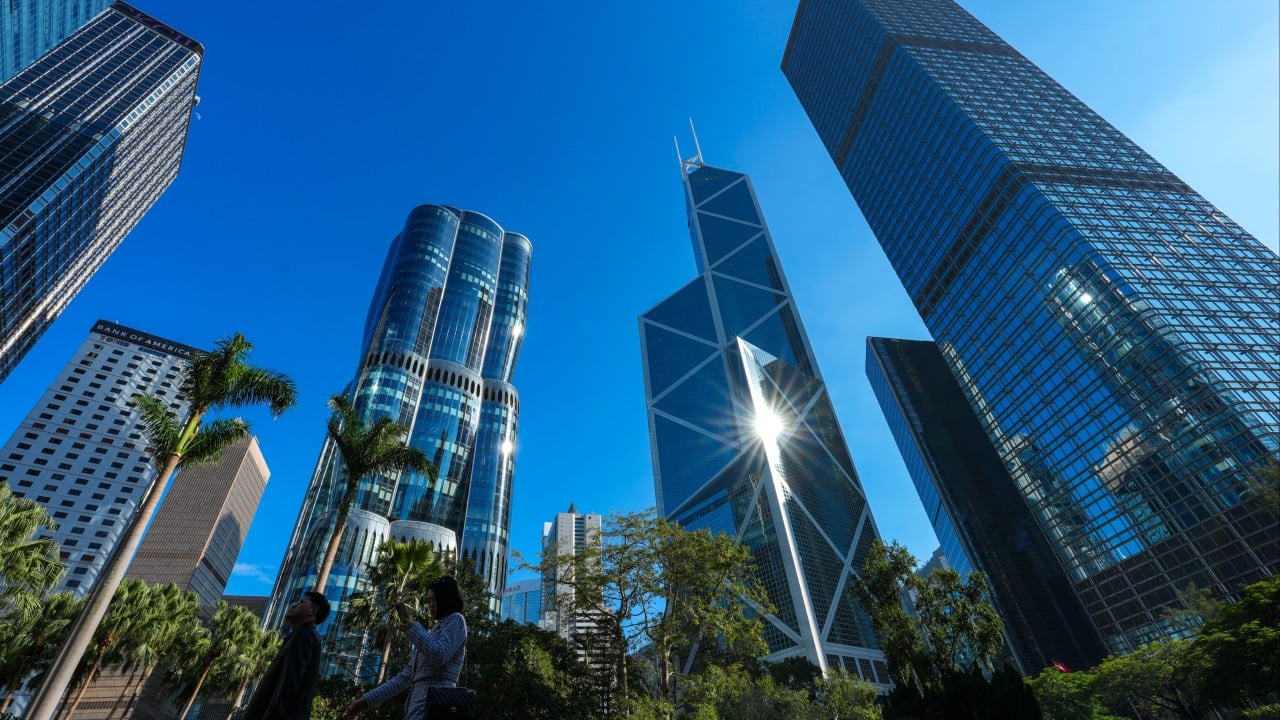
The rumors are loud. Some say Hong Kong’s new Five-Year Plan is a signal the city is abandoning its free-market identity. Others think it’s just the same old bureaucracy in a shiny new package. Both sides are missing the point. It isn't a funeral for Hong Kong’s status as a global financial hub. It’s a desperate, overdue attempt to rewrite the rules of the game in a region that’s rapidly outgrowing the "hands-off" governance model of the last century.
I’ve spent enough time tracking the shifting corridors of the Greater Bay Area to know that when governments start printing "five-year plans," they aren't looking for status quo. They’re looking for survival.
Why This Plan Is Actually Happening
You don’t need to be an economist to see that the old engine is stalling. Sure, 2025 saw a 3.5% bump in growth and a decent rally in the equity markets. But that’s a rear-view mirror view. If you’re a business owner in the city right now, you aren't looking at last year’s stock performance. You’re looking at your thinning margins, the rising costs of talent, and the massive, looming shadow of China’s "mass-AI" industrial shift.
The government isn't launching this 2026-2030 blueprint just for fun. They’re doing it because the "bridge to the world" role that Hong Kong played for forty years is becoming crowded. Vietnam, Singapore, and even parts of the mainland are now doing a better job at moving goods and capital. Hong Kong needed a strategy that moves beyond just being a glorified middleman.
The focus on the Northern Metropolis isn't just about building more apartments—though we definitely need those. It’s about creating an innovation hub that actually sticks. If they get it right, it anchors R&D firms that currently feel they have nowhere to put down roots. If they get it wrong, it’s just another collection of expensive, empty glass towers.
The AI Reality Check
The plan puts heavy emphasis on artificial intelligence. It sounds like corporate buzz-speak, but there’s a real, tangible reason for it. China is betting the house on AI-driven manufacturing. They aren't just making gadgets anymore; they’re trying to bake intelligence into the very logistics and supply chain systems that dominate global trade.
Hong Kong is being positioned as the "trusted" gateway for this transition. Think of it this way: mainland firms need a sandbox to test these AI-driven systems in an environment that handles global legal and financial standards better than the mainland interior. That’s the "trust" premium. If Hong Kong can offer that, the city stays relevant. If it can’t, the trade corridors will simply bypass it.
Why Investors Should Stay Skeptical
Let’s be honest for a second. The plan looks great in a PDF. But the execution? That’s where the real risk lies.
The biggest mistake I see companies making is assuming the government will handle the heavy lifting. They won't. The success of this plan doesn't rely on the policy documents themselves, but on whether the bureaucracy can actually move at the speed of an AI startup. Historically, that’s not a bet I’d take with my own money.
- Infrastructure vs. Innovation: Everyone is talking about the Northern Metropolis. That’s a long game. The real short-term wins are in offshore RMB capital formation. Don't let the real estate hype distract you from where the actual money is moving.
- The Talent Gap: You can build all the innovation hubs you want, but if you don't have the engineers and the data scientists who actually want to live here, you’ve built nothing. The plan needs a serious commitment to talent retention that goes beyond just tax breaks.
- Market Freedom: This is the elephant in the room. Business leaders are nervous about how much "alignment" with the mainland will start to infringe on the legal independence that makes Hong Kong, well, Hong Kong. If you’re operating here, you have to watch the judicial signals as closely as you watch the economic ones.
Practical Steps For The Next Five Years
If you’re running a business in Hong Kong, stop waiting for the policy outcome. Start positioning yourself now.
- Audit your supply chain exposure. Are you relying on the old "middleman" model? If so, you’re vulnerable. Look for ways to integrate into the newer, AI-driven manufacturing corridors that are starting to form across the bay.
- Double down on compliance. As the city aligns more closely with the mainland, the regulatory environment is getting more complex, not less. Don't wait for the government to tell you the new rules. Hire people who understand how the current regulatory shifts impact your specific sector.
- Ignore the noise. Every time a new policy drops, the media goes into a frenzy about the "death" or "rebirth" of the city. Ignore the op-eds. Watch the capital flows. Follow where the firms are setting up their R&D units and where the capital is actually being parked.
This Five-Year Plan is a warning shot. It’s a message that the era of passive growth is over. You’re either evolving with the new industrial and digital mandate, or you’re waiting to be pushed off the edge of the corridor. Stop waiting for clarity—build your own.