The ground is shaking beneath Brazilian politics. On October 25, 2026, roughly 160 million voters head to the polls for a high-stakes presidential runoff that pits veteran leftist leader Luiz Inácio Lula da Silva against conservative senator Flávio Bolsonaro, the eldest son of former president Jair Bolsonaro. If you think this is just another standard political showdown, you're missing the bigger picture.
Let's look at the numbers. In the first round held earlier in October, Flávio Bolsonaro pulled off a surprising upset, capturing forty-seven percent of the vote compared to forty-five percent for Lula. Final pre-election polls showed a statistical tie at fifty-one percent to forty-nine percent in favor of the challenger. The margin of error is razor-thin, and the tension across cities like São Paulo and Rio de Janeiro is palpable.
Why did Lula find himself trailing in the initial count? During his third mandate, unemployment dropped and inflation stayed relatively under control. Yet, everyday citizens are hurting. People are exhausted by the soaring cost of living and fed up with rampant crime. When grocery bills stretch household budgets to the breaking point, abstract economic data doesn't win votes. Discontent runs deep, and the conservative opposition capitalized heavily on that frustration.
Flávio Bolsonaro has carefully positioned himself as a fresh face while still riding the coattails of his father's movement. He's promising stricter laws against criminality, deep cuts to public spending, and a much closer diplomatic alignment with the United States. His populist messaging echoes the broader right-wing wave currently sweeping parts of Latin America, heavily encouraged by Donald Trump's return to the international stage. He has even made it clear that a primary goal, if elected, would be to seek the release of his father, who remains under house arrest following a twenty-seven-year sentence for attempting to subvert democratic institutions after the 2022 election.
On the other side, Lula is fighting for political survival. Campaigning with a raspy, exhausted voice, the incumbent has framed himself as the ultimate democratic firewall. He warns that a victory for the right would turn Brazil into a subordinate ally of Washington and drag the country backward. His supporters have flooded the streets in red, chanting slogans against fascism and desperately trying to mobilize the youth vote.
Yet, beneath the noisy rhetoric lies a harsh fiscal reality that neither candidate can easily escape. Brazil's public finances are deep in the red. No matter who wins the presidency, the next leader will face severe budget constraints. Massive social spending promises sound great on the campaign trail, but the country's national debt leaves very little room for error.
International observers are watching closely because this election is about more than domestic policy. It's a referendum on Latin America's geopolitical alignment. Will Brazil remain a prominent anchor of the left, or will it pivot hard to the right?
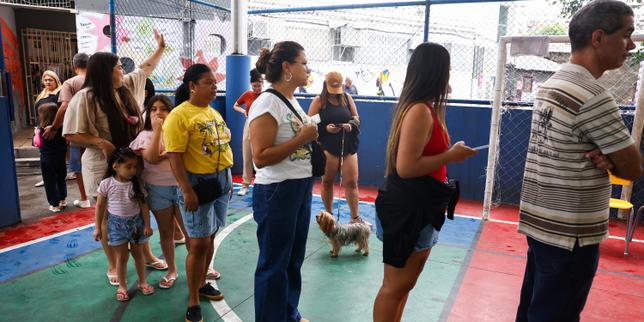
The electronic voting machines are humming, and results will arrive fast. Watch the turnout numbers closely, because voter fatigue and regional weather patterns could easily swing a race this tight.
Brazil Election 2026: Lula vs. Flávio Bolsonaro
This video provides an economic analysis of the fiscal challenges, debt situation, and policy choices facing both Lula and Flávio Bolsonaro as they navigate Brazil's constrained public budget.
http://googleusercontent.com/youtube_content/1