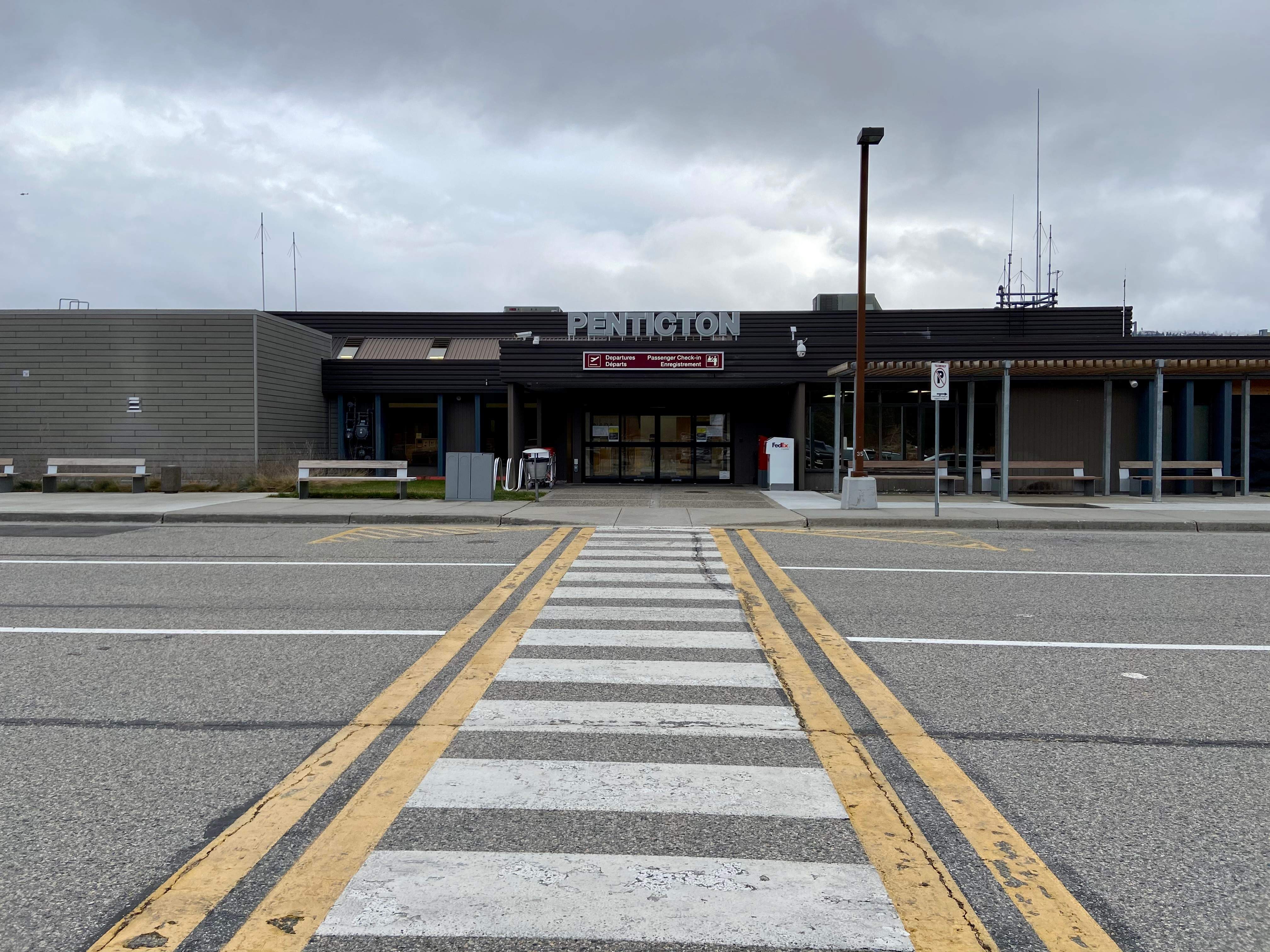
Travel is getting pricier by the day. Now, local flyers are about to take another hit right in the wallet. Starting November 1, parking at the Penticton Regional Airport is jumping by a staggering 400 to 500 per cent.
If you've used the lot before, you know it was basically a steal. That low price made flying out of the regional hub convenient and affordable. Not anymore. Transport Canada owns and operates the facility, and federal regulators decided it's time to bring rates in line with current market values. They claim the old fees haven't budged since 2012, and the federally run airports are operating at a deficit.
Penticton isn't the only one caught in this sweep. Port Hardy and Sandspit in British Columbia, Sept-Îles in Quebec, and Wabush in Labrador are facing the same federal initiative. But the scale of the hike at Penticton Regional Airport has locals talking.
The Reality of the Lot Versus the Price Tag
Let's be honest about what you're actually paying for. Much of the parking at the Penticton airport is unpaved dirt and gravel. It lacks the advanced infrastructure, security lighting, and asphalt paving you expect at major hubs like Kelowna.
Yet, the new pricing structure puts the cost right up there with fully equipped facilities. Local workers and frequent flyers point out the obvious mismatch. Paying top-tier rates for a dusty gravel lot doesn't sit well when you're already paying high airfares.
Some residents admit the old rates attracted abuse. Locals looking for cheap or free long-term storage sometimes used the airport grounds instead of paid parking around town. A price adjustment makes sense on paper. A 500 per cent overnight explosion, however, feels less like an adjustment and more like a shockwave.
Why the Timing Hurts Local Budgets
The hike arrives while every other household expense is climbing. Groceries, fuel, utilities—they've all squeezed family budgets to the limit. People are already cutting back on dining out and recreational trips.
When flying becomes a luxury reserved only for special occasions, secondary costs like parking tip the scale. Travellers now have to weigh whether leaving a car at the terminal makes any financial sense.
Alternatives are limited in smaller communities. Public transit options to regional airports rarely match early morning or late-night flight schedules. Grabbing a cab or asking a friend for a ride works sometimes, but it isn't always practical for business travellers or longer trips.
What You Can Do Now
You don't just have to absorb the blow. Smart flyers are already adapting to the new fee schedule before November rolls around.
- Check alternative rides: Price out local taxi services or rideshares against the new weekly parking totals. For shorter trips, a cab might actually save you money.
- Enlist a friend: Offer to trade favors or cover gas for a trusted neighbor or family member willing to drop you off and pick you up.
- Re-evaluate your schedule: If you travel frequently for work, track your monthly transport costs closely to see if alternative long-term solutions exist in town.
Plan your next trip with these rate changes in mind, and don't let surprise terminal fees ruin your travel budget.