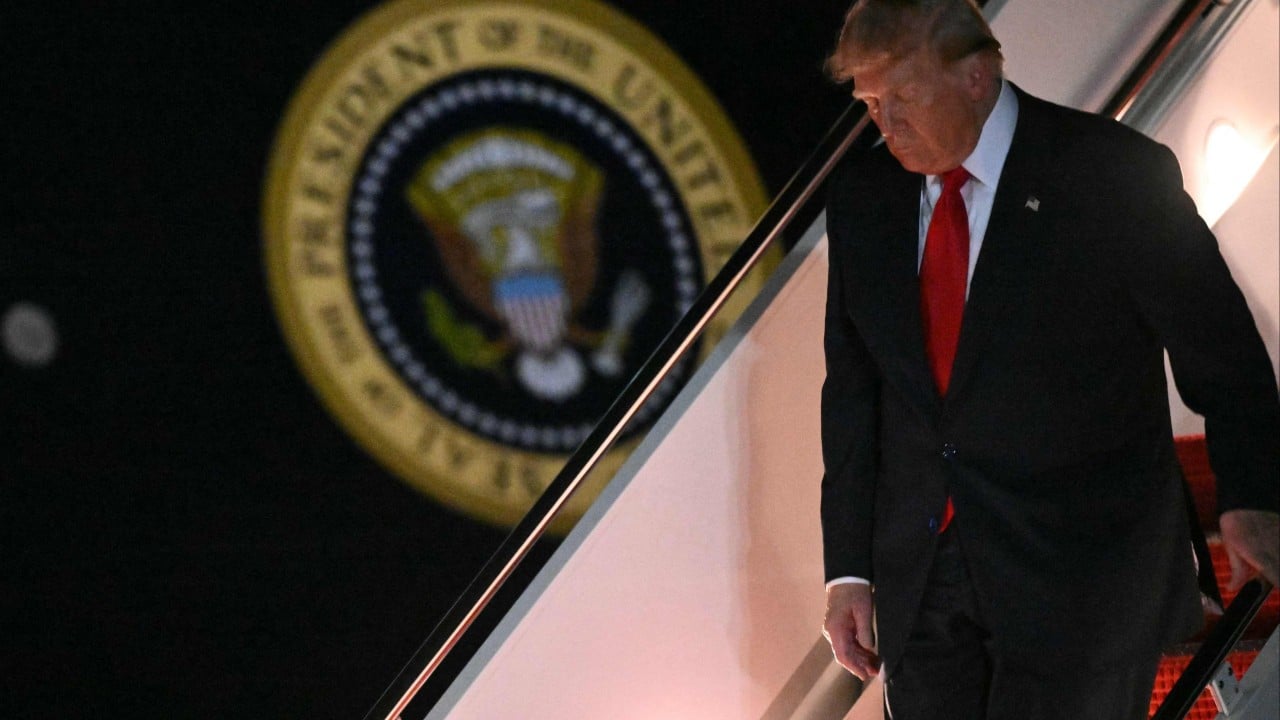
The United States military is barreling toward its first execution in more than sixty years. But the real shock isn't the method or the date—it's the broadcasting plan. Defense Secretary Pete Hegseth announced that the execution of Nidal Hasan by firing squad on December 3 at Fort Hood, Texas, will be publicly livestreamed.
Let that sink in. A state-sanctioned execution broadcasted live to the masses.
While the Pentagon pushes forward with the digital broadcast, political figures and legal analysts are slamming the brakes, questioning whether the Trump administration will actually follow through or if this is just another media-driven spectacle designed to push the boundaries of public state power.
The Legal and Regulatory Maze
Army regulations are explicit about military executions. Under current rules, no person under eighteen years old is allowed to witness one. Legal experts are already pointing out a glaring contradiction. Does a digital livestream violate the spirit of a closed-room military regulation meant to keep minors and the general public physically distanced from state violence?
Nidal Hasan was convicted of killing 13 people and wounding 32 others in the horrific 2009 shooting at Fort Hood. His case has wound through military appeals for over a decade. His lawyers previously argued that shutting portions of his trial violated public trial rights, yet the Supreme Court declined to step in. Now, the pendulum has swung to the opposite extreme. Instead of restricted access, the Pentagon wants total, unfiltered exposure.
Legal challenges are moving fast, but experts note the path to stopping a broadcast ordered by executive and defense leadership is exceptionally narrow.
The Politics of Public Spectacle
Why broadcast it? The administration frames it as radical transparency and accountability for a heinous crime. Critics call it medieval, barbaric, and a dangerous descent into public spectacle.
Psychiatrists have warned that livestreaming an execution could trigger severe psychological distress and post-traumatic stress for unsuspecting viewers scrolling through social feeds. Lawmakers from both sides of the aisle are weighing in, with some Democrats calling the move entirely out of line with democratic norms, while key administration allies defend the spectacle as justice delivered in broad daylight.
Even within higher circles of government, questions linger. Vice President JD Vance publicly stated he wouldn't watch the stream, distancing himself from the viewing experience while the Pentagon doubles down on its availability.
What Happens Next
December 3 is approaching fast. Whether the livestream streams in high definition across mainstream platforms or gets tangled in emergency federal injunctions, the precedent has already been set. We are staring down a brand-new era of penal policy where punishment isn't just carried out behind closed prison walls—it's packaged for consumption.
Watch how the legal challenges unfold over the coming weeks. The outcome will redefine how America views capital punishment for generations.
Rep. Adam Smith on Pentagon streaming Fort Hood gunman's execution: "Not who we're supposed to be"
This video provides congressional reactions and detailed analysis on why the Pentagon's decision to livestream the execution is drawing intense bipartisan pushback.