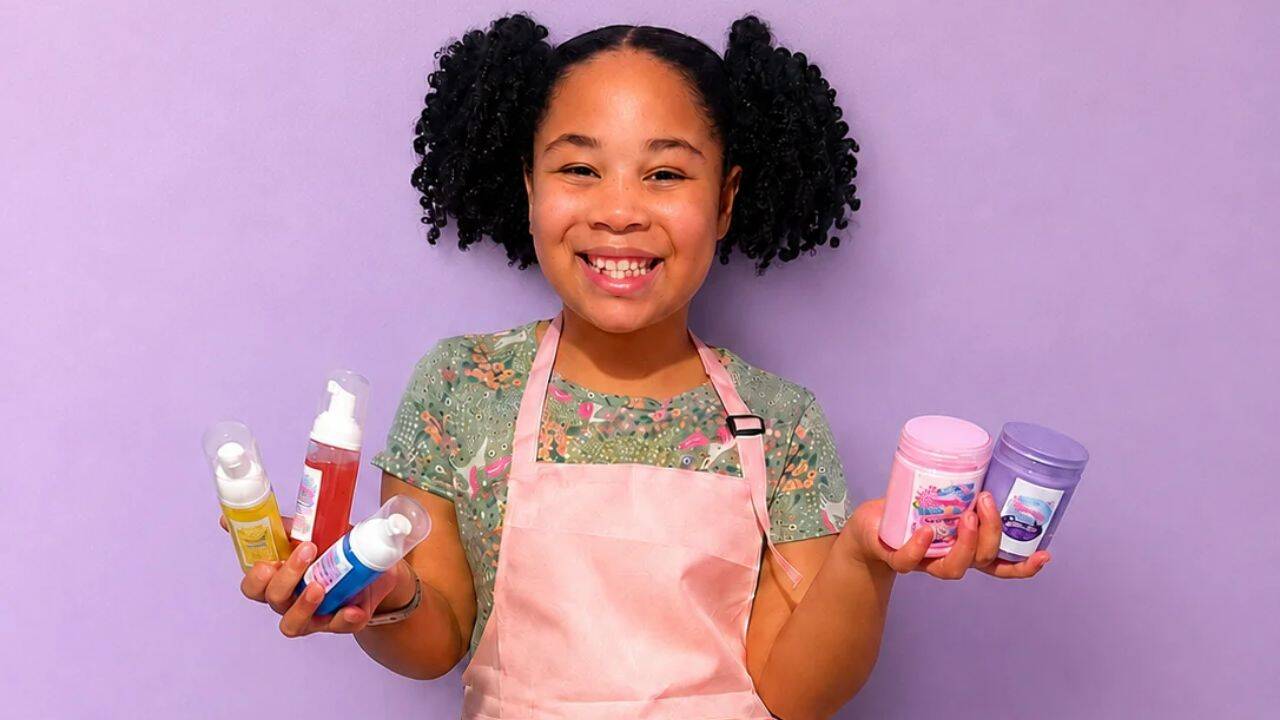
Most nine-year-olds save up for a video game or a trip to the ice cream truck. Penny Ramsey decided to build a business.
Starting out with a goal to pay for summer camp, the young Ohio entrepreneur launched Penny's Squish and Soap Shop, crafting handmade slimes and foaming hand soaps geared toward sensory play and everyday inclusivity. What began as a practical kid-sized hustle turned into a top-three finish and a $10,000 award in the national Mott Million Dollar Challenge. Suddenly, summer camp took a back seat to running a real shop.
That jump from kitchen-table project to national competition winner is a great headline. Honestly, though, the real story isn't just that a fourth grader won ten grand. It's why a simple product idea like sensory-friendly soap and slime connects so strongly with families—and what happens when a young maker has to figure out pricing, safety, and growth without getting burned out.
Why Sensory-Friendly Soap Hits a Real Nerve
Walk down a typical store aisle and you'll see hundreds of soaps and novelty toys screaming for attention with harsh fragrances, neon dyes, and cluttered labels. For kids who experience sensory sensitivities, overstimulation, or skin irritation, those choices can feel exhausting or uncomfortable rather than fun.
Penny's pitch centers on making sensory-friendly soap and slime inclusive for all kids, celebrating different ways brains process the world. That positioning matters. When a product is built around comfort, tactile engagement, and approachable scents instead of gimmicks, parents don't view it as "just a toy." They see a tool that helps kids relax, wash up without a battle, or enjoy hands-on play on their own terms.
I've watched plenty of small craft sellers treat sensory products like a passing trend. Big mistake. Tactile play and gentle personal care aren't fads. Families dealing with sensory overload every day look for items they can trust repeatedly, which creates natural repeat buyers when quality stays consistent.
Slime vs. Foaming Soap in Everyday Routines
Slime gets the immediate spotlight because it's colorful, squishy, and easy to customize. Kids love stretching it, adding scents or charms, and turning a solo craft into a mobile party cart experience.
Foaming hand soap does a quieter job. Handwashing is already a daily habit in almost every household. Turning a routine chore into something gentle, pleasant-smelling, and easy to dispense gives a small business a practical everyday product alongside fun seasonal drops. Pairing a high-excitement novelty item with a daily staple is a smart move—even if a nine-year-old came to it through curiosity rather than a business textbook.
How a Summer Camp Goal Turned Into a Real Contender
Lots of kids start lemonade stands or craft tables with a short-term goal in mind. Paying for summer camp is about as concrete and motivating as a goal gets. You see the price tag, you count your batches, and you learn fast what sells and what sits on the table.
In the Mott Million Dollar Challenge, which draws thousands of student entries nationwide before narrowing down to semifinals and national finals in Flint, Michigan, judges aren't just looking for cute packaging. They look for clarity of idea, effort, and real-world potential. Standing out among thousands of young pitches takes more than luck. It takes a clear story about who you help and why your product exists.
Still, winning $10,000 changes the game overnight. Before the prize money, a kid-run shop can stay small and low-pressure. Once real capital enters the picture, expectations shift. Suddenly you're thinking about inventory, supplies, events, and how to scale without losing the heart of what made people root for you in the first place.
The Trap of Chasing Every New Idea at Once
One of the easiest mistakes new makers make—kids and adults alike—is trying to launch ten new scents, five product lines, and big national shipping plans all at once.
New ideas are fun. Fulfilling orders, sourcing clean ingredients safely, and keeping stock ready for local events is the unglamorous work that keeps a business alive. Growing steadily from local tables and mobile cart events toward wider reach is usually much safer than sprinting ahead of your supply chain.
What Most People Miss About Kid-Led Businesses
People love a feel-good story about a young founder, and Penny deserves every bit of credit for her drive. Yet there's a side of youth entrepreneurship that often gets glossed over in upbeat news clips.
Behind every nine-year-old business owner is an adult support system handling legal structure, payment setups, safe ingredient sourcing, supervision, and boundaries. A kid can own the creative vision and customer energy, while parents or mentors protect their time and keep school and childhood intact.
There's also a practical reality check around skin and sensory products. "Sensory-friendly" means different things to different people. One child might love a light, calming scent, while another reacts to any fragrance or specific texture ingredient. Smart makers keep formulas transparent, test carefully, and avoid making wild medical claims they can't back up.
A great product doesn't have to solve everything for everyone. It just has to solve one real problem well for the people who care.
🔗 Read more: palmer brewery and cider house
Lessons for Anyone Starting a Small Craft or Sensory Brand
Whether you're a parent helping a kid test a business idea or an adult launching a side hustle, Penny Ramsey's run highlights a few moves that actually work in practice.
- Start with a clear, personal target. A specific goal—like funding summer camp or covering startup supplies—gives you a finish line and a reason to track your numbers.
- Combine fun with function. Novelty items bring people over to look; useful items like hand soap give them a reason to come back.
- Respect sensory boundaries. Keep scents balanced, textures thoughtful, and labels honest so customers know exactly what they're getting.
- Grow in layers, not leaps. Nail local events, repeat customers, and clean batch consistency before chasing nationwide expansion.
Practical Next Steps If You Want to Build Something Similar
If Penny's story sparked an idea for you or a young maker in your life, don't spend three months designing a logo before testing the product. Keep the first steps grounded and hands-on.
- Pick one core item and one everyday companion. Test small batches at home first and get honest feedback on texture, scent strength, and ease of use.
- Set a simple money rule early. Decide upfront how much goes back into supplies, how much is saved for a specific goal, and what stays in reserve for unexpected costs.
- Test in low-pressure local settings. Library events, local markets, or small gatherings let you talk to real buyers face-to-face and see what catches their eye.
- Build in a breather. Keep school, rest, and play protected so running the shop stays exciting rather than turning into pressure.
Penny Ramsey didn't set out to build a textbook business case study. She wanted to earn her way to summer camp, leaned into what she loved making, and ended up with $10,000 and a bigger stage than she planned. Sometimes the best businesses start small, stay curious, and grow one batch at a time.