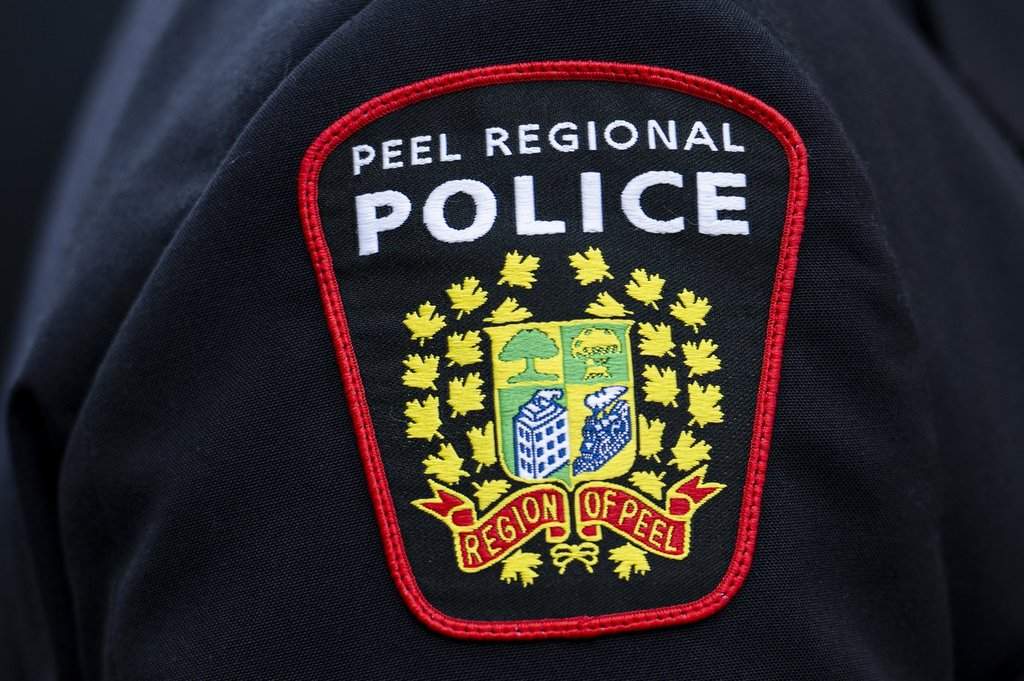
Twelve suspects are in custody. Police laid 231 criminal charges. On paper, the dismantling of this Ontario auto theft ring looks like a massive victory for exhausted drivers across the Greater Toronto Area.
It isn't. Not really.
Don't get me wrong—Peel Regional Police and their partner agencies pulled off an impressive operation. Taking a dozen organized players off the streets and recovering millions in stolen iron hurts the syndicates. I've spent years analyzing North American vehicle crime trends and talking to fleet security managers, and I can tell you right now that law enforcement busts only create a temporary vacuum. The supply chain behind stolen Canadian SUVs and pickup trucks is far too lucrative to stay quiet for long.
If you live in Brampton, Mississauga, Vaughan, or anywhere along the Highway 401 corridor, celebrating a press conference won't keep your Toyota Highlander or Lexus RX in your driveway overnight. You need to understand how these rings actually operate, why this specific bust happened, and what you have to do before the next crew scouts your street.
What Actually Happened in the Ontario Auto Theft Ring Bust
Let's look at the hard facts of the investigation. Peel Regional Police announced the takedown following a multi-month probe targeting a sophisticated criminal network operating across the Greater Toronto Area. The numbers tell a clear story about the scale of modern vehicle theft in southern Ontario.
Investigators arrested 12 individuals and hit them with a combined 231 charges. Those charges weren't just for basic joyriding or simple possession of stolen property. We're talking about trafficking in stolen goods, conspiracy to commit an indictable offence, and participating in the activities of a criminal organization.
During the execution of search warrants across multiple properties, officers recovered dozens of high-end vehicles valued at several million dollars. They also seized the tools of the trade—electronic key programmers, relay attack amplifiers, and fraudulent Vehicle Identification Number (VIN) plates used to disguise stolen cars before shipping them overseas or selling them to unsuspecting local buyers.
Most local news outlets reported the press release, listed the charge counts, and moved on. That misses the bigger picture. The real story isn't just that 12 guys got caught. It's how fast they were moving inventory and how deeply embedded their logistics network had become before handcuffs finally clicked shut.
Why Ontario Remains a Goldmine for Car Thieves
You might wonder why southern Ontario gets hammered harder by auto theft than almost anywhere else in North America. It comes down to basic geography and brutal economics.
First, look at the map. Highway 401 acts as a direct, high-speed conveyor belt from the wealthiest suburbs in Ontario straight to the Port of Montreal. A crew can steal an SUV in Mississauga at 2:00 AM, load it into a shipping container in a Toronto industrial yard by 4:30 AM, and have it sitting on a rail car or transport truck headed to Quebec before you even wake up to make coffee.
Second, Canadian port security has historically struggled with outbound container inspections. Customs agencies focus heavily on what's coming into the country—drugs, weapons, contraband. Outbound shipping containers get a fraction of that scrutiny. Once a stolen Ford F-150 or Honda CR-V gets sealed inside a steel box and loaded onto a vessel bound for West Africa or the Middle East, it's gone forever.
Insurance data backs this up. According to the Équité Association, auto theft claims across Canada surged past $1.5 billion annually in recent years, with Ontario bearing the absolute brunt of those losses. Even when police agencies score a major win like this 231-charge sweep, the profit margins remain obscene. A stolen luxury SUV that costs a syndicate a few thousand dollars in labor and bribes can fetch double its North American MSRP overseas.
How These Crews Actually Steal Modern Cars
Forget everything you saw in 1990s movies. Nobody is smashing your driver's side window with a spark plug and hotwiring the steering column with a pocketknife. Today's thieves carry laptops and specialized diagnostic tablets.
When I speak with automotive security researchers, they emphasize that modern car theft is largely a software problem. Automakers prioritized convenience—push-to-start buttons, proximity fobs, digital key sharing—and accidentally handed thieves a skeleton key.
The Relay Attack
This is the classic suburban driveway heist. Your key fob sits on a hook near your front door, constantly broadcasting a weak radio signal. Two thieves walk up your driveway in the dark. One holds a signal amplifier near your front wall or door frame. That device grabs your fob's faint signal and beams it to a second device held by an accomplice standing next to your car door.
Your car thinks the key is right outside. The doors unlock. The push-to-start button activates. They drive away silently in under 45 seconds without triggering a single alarm.
OBD-II Port Reprogramming
If a relay attack doesn't work, thieves pivot to the On-Board Diagnostics (OBD-II) port located under your steering wheel. They'll quietly pop a door lock or smash a small rear quarter glass that won't trigger interior motion sensors. Once inside, they plug a black-market locksmith tablet—often sold online as "diagnostic equipment"—directly into the OBD-II port.
Within two minutes, the software wipes your existing keys from the vehicle's computer and programs a blank fob they brought with them. They start the engine and roll out.
CAN Bus Injection
This is the nastiest method currently circulating in Ontario. Thieves pull back the front bumper or wheel well liner to access the wiring harness behind a headlight. They tap directly into the vehicle's Controller Area Network (CAN) bus—the internal nervous system that lets different car components talk to each other.
By injecting fake digital messages into those wires using a device disguised inside a portable Bluetooth speaker or old Nokia phone shell, they trick the car's central computer into thinking a valid key is present. The doors pop open, the immobilizer disarms, and your car belongs to them.
The Dangerous Myth of "My Insurance Will Cover It"
I hear this constantly from friends in the GTA. "Why should I spend money on aftermarket security? If they take it, my insurance pays out."
That mindset will cost you thousands of dollars and months of headaches.
First, look at your policy's fine print. Unless you specifically paid extra for a deprecation waiver (often called an OPCF 43 endorsement in Ontario), your insurer won't buy you a brand-new replacement vehicle. They'll pay you the Actual Cash Value of your stolen ride—which is almost always thousands less than what it costs to replace it on a dealership lot today.
Second, check your renewal rates. Insurance companies across Ontario have started slapping massive "high-theft vehicle surcharges" onto popular models like the Honda CR-V, Dodge RAM 1500, and Toyota Tundra. If you don't have an approved aftermarket tracking system installed, some insurers are tacking an extra $500 to $1,500 onto your annual premium just for owning the wrong car.
Third, think about the sheer inconvenience. Rental car coverage on standard policies usually caps out at $1,500 or 30 days. Supply chain delays and inflated used-car prices mean replacing a specific trim level can easily drag out for two months. You end up paying out of pocket for a rental while fighting with adjusters over valuation.
What Police Busts Miss About the Re-VINning Market
Not every car stolen by these Ontario rings ends up on a cargo ship. A massive chunk gets "re-VINned" and sold right back to Canadian buyers.
Here's how that scam works. A syndicate steals a 2023 Jeep Grand Cherokee in Peel Region. Instead of sending it to Montreal, they take it to a chop shop in an industrial unit in Vaughan or Etobicoke. They strip off the legitimate Vehicle Identification Number plates from the dashboard and door jamb, then replace them with counterfeit stickers and etched metal tags cloned from a clean, non-stolen Jeep of the exact same year, color, and trim—usually found by scraping dealership websites in another province.
Next, they use corrupt contacts or forged paperwork to register that cloned VIN at a provincial licensing office. Suddenly, a stolen SUV has a clean title. They list it on Facebook Marketplace or AutoTrader for a few thousand dollars below market value to guarantee a quick cash sale.
If you buy that car, you're holding a ticking time bomb. When the real owner's cloned VIN eventually triggers a flag during a routine traffic stop or dealership service visit, police will seize the vehicle from your driveway. You lose the car, and you lose the cash you paid the scammer.
How to Actually Protect Your Vehicle Right Now
You can't stop a determined, organized crew from targeting your neighborhood, especially while massive profit incentives keep pulling new recruits into the game. You can, however, make your specific vehicle so annoying and time-consuming to steal that thieves skip your house and hit your neighbor's instead.
Thieves work on strict timelines. Anything that adds five minutes to a two-minute theft ruins their entire risk calculation.
1. Kill the Digital Theft Vectors
Stop relying on factory security. Factory immobilizers are compromised the second a new model year hits the street.
- Install an aftermarket CAN-bus immobilizer. Systems like the IGLA anti-theft system integrate deeply into your car's wiring. Even if a thief clones your key fob, breaks your window, and plugs into your OBD-II port, the engine won't shift out of park until you enter a custom PIN sequence using your existing steering wheel buttons.
- Lock down your OBD-II port. Buy a heavy-duty physical OBD-II port lock made of solid aluminum or steel. It requires a specialized security key to remove, stopping quick diagnostic tablet attacks dead in their tracks.
- Use Faraday pouches properly. Don't just buy a cheap pouch off Amazon and assume it works. Put your keys inside, walk out to your car, and try to pull the door handle. If the door unlocks, the shielding is garbage. Throw it out and buy a certified Faraday box for your front hallway.
2. Bring Back Dumb Physical Deterrents
Thieves carrying laptops hate dealing with heavy steel. They rarely carry angle grinders on suburban residential streets because the noise wakes up the entire block.
- Use a visible steering wheel lock. Yes, a Club looks dated. Yes, someone with a hacksaw can cut through a steering wheel rim in 90 seconds. Doesn't matter. When a scout walks down your street at 3:00 AM looking for an easy relay attack, seeing a bright yellow steel bar across your steering wheel tells them they have to break glass and make noise. Nine times out of ten, they walk right past your driveway.
- Install a foldable driveway bollard. If you don't park in a garage, a lockable steel bollard cemented into the base of your driveway physically blocks a stolen car from backing out. It's one of the most effective deterrents used in the UK, where relay thefts exploded years before hitting Ontario.
3. Fix Your Parking Habits
Your garage isn't a storage shed for broken lawnmowers and holiday decorations. If you own a high-theft SUV or pickup truck and leave it sitting outside while your garage is full of cardboard boxes, you're making life easy for criminals.
If you truly can't fit your vehicle inside, block it in. Park your older, lower-value commuter sedan directly behind your high-value SUV in the driveway. Thieves rarely want to steal two cars just to get one out.
What to Do If You're Buying a Used Car in Ontario
Given how many stolen vehicles from these rings get laundered back into the local market, buying privately requires extreme paranoia.
Never hand over cash or a bank draft without running a comprehensive vehicle history report through CARFAX Canada and checking the Ontario Ministry of Transportation's Used Vehicle Information Package (UVIP). Look closely at the registration history. If a two-year-old vehicle has changed hands three times in four months across different provinces, walk away immediately.
Check the physical VIN plates yourself. Look at the windshield VIN plate—the rivets holding it in place should be rosette-shaped, not standard round hardware store rivets. Inspect the sticker inside the driver's side door frame. Factory stickers have micro-printing and tamper-evident patterns that peel apart if someone tries to remove them; counterfeit stickers often look slightly blurry, misaligned, or feel like cheap glossy vinyl.
Finally, insist on meeting the seller at a local police station's "Buy and Sell Exchange Zone" or having an independent mechanic scan the vehicle's internal computer modules. A professional scan tool reads the electronic VIN stored inside the engine control unit. If the digital VIN on the mechanic's screen doesn't match the metal tag on the dashboard, you're looking at a re-VINned stolen car.
Your Immediate Action Plan
Police operations like the Peel Regional Police takedown do vital work disrupting leadership networks and recovering stolen property, yet the underlying economics driving Ontario's auto theft crisis haven't budged. Don't wait for another press conference to secure your property.
- Check your vehicle against the Équité Association's annual Top 10 Most Stolen Vehicles list today. If you drive a high-risk model, assume your street is already being scouted.
- Test your key fob signal tonight. Wrap your keys in aluminum foil or place them in a Faraday box, then walk outside and test your door handles to verify zero signal leakage.
- Call an authorized automotive security installer this week to get a quote on a PIN-based immobilizer and an OBD-II port lock, then ask your insurance broker how much that installation will knock off your annual surcharge.