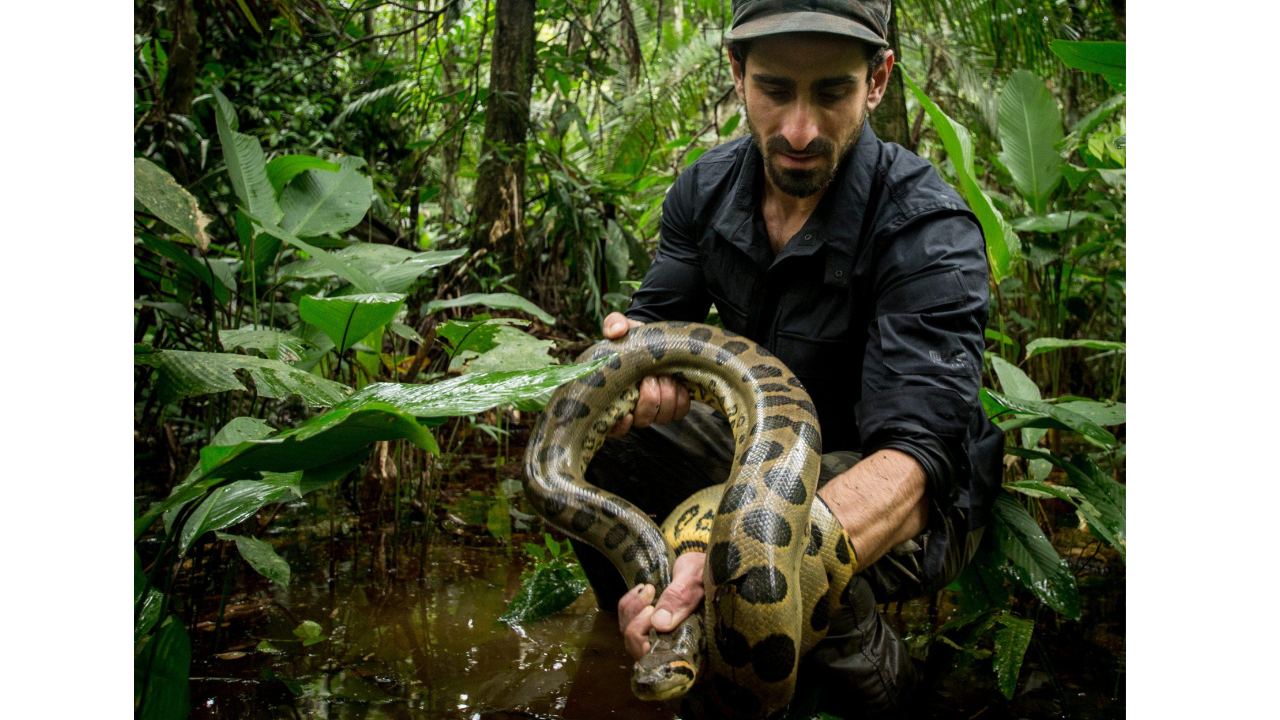
Most people think saving the Amazon is a lost cause, a massive PR campaign funded by billionaires who fly private jets to climate summits. They are wrong. On the ground in southeastern Peru, real survival work looks entirely different. It looks like an eighteen-year-old kid from Brooklyn stepping off a boat in 2006 into a wall of humidity, armed with little more than a backpack and a fierce obsession with wildlife.
That kid was Paul Rosolie. Two decades later, he isn't just writing memoirs about giant anacondas; he is leading Junglekeepers, an organization that actively guards nearly 160,000 acres of prime Peruvian rainforest from illegal loggers, land grabbers, and drug traffickers.
If you want to understand how modern conservation actually functions when things get dangerous, you need to look past the corporate greenwashing and study what Rosolie and his team are doing in the Madre de Dios region.
The Reality of the Las Piedras Corridor
The Las Piedras River sounds like a paradise on a tourist map. In reality, it is a frontline combat zone. When Rosolie first arrived, he partnered with Juan Julio (JJ) Durand, an Indigenous Ese Eja conservationist who showed him how the jungle actually works. They didn't see an abstract ecosystem; they saw a living network where animals plant trees, and trees pump moisture back into the sky.
But that network faces constant assault. Roads push deeper into the wilderness. Heavy machinery tears down ancient ironwood trees. The threats aren't theoretical. Isolated groups like the Mashco Piro live in these zones, and illegal logging pushes them into violent clashes with outsiders.
Rosolie spent roughly twenty years grinding away before seeing his conservation model scale into something formidable. Why did it take so long? Because conservation theory is cheap, but boots on the ground cost money.
How Junglekeepers Changes the Playbook
Most big environmental groups waste millions on bureaucratic overhead and endless studies. Junglekeepers takes a brutally direct approach:
- Buy the land: If you don't own the deed, loggers will take the timber. Buying strategic parcels cuts off access routes.
- Hire locals: Conservation fails when outsiders try to police a forest they don't understand. Junglekeepers employs people with generational knowledge of the region to act as rangers.
- Patrol relentlessly: Rangers don't sit in offices. They maintain remote stations, monitor illegal activity, and push back against criminal elements.
This approach has grown the protected footprint from 49,000 acres up to nearly 160,000 acres, with a long-term goal of locking down 300,000 acres across the corridor. But scaling up brings new risks. Recent campaigns have targeted an additional 50,000 acres at high risk, operating amid rising violence and armed vehicle ambushes.
What You Can Learn From the Frontlines
You don't have to move to the Amazon to apply these lessons. Whether you're funding environmental initiatives or trying to drive real change in your own industry, a few hard truths emerge from Rosolie's trajectory:
First, romantic ideas die fast. If you enter any high-stakes field expecting easy applause, you'll quit in six months. Rosolie spent two decades facing financial strain, isolation, and physical danger before his organization gained widespread traction.
Second, local expertise always wins. You cannot manage a complex system from a desk thousands of miles away. Empowering people who live within the ecosystem creates permanent accountability.
The Amazon isn't just a carbon sink for corporate offsets. It's an active, breathing engine that drives weather patterns across continents. When people like Rosolie push for the "End Game" campaign to secure threatened acreage, they aren't playing a PR game. They are holding the line.
Support organizations that put armed rangers on boats, buy disputed titles, and reject administrative bloat. That is where actual conservation happens.


