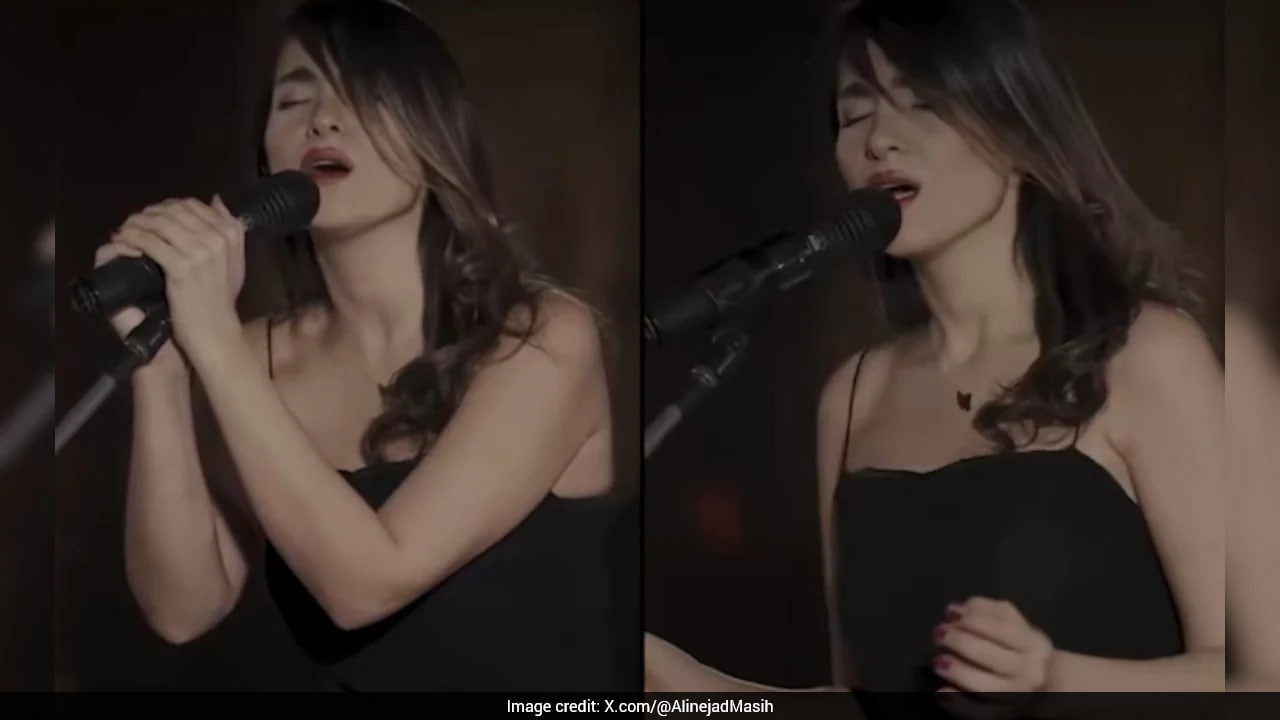
Singing a song shouldn't cost you seventy-four lashes. Yet, in Iran, basic artistic expression remains a criminal act for women.
When 29-year-old Iranian singer Parastoo Ahmadi uploaded a concert video to YouTube, she probably knew she was taking a risk. She just didn't expect the heavy hand of the state to hit her and her production crew with a brutal flogging sentence. Her crime? Performing powerful, mournful songs in a traditional caravanserai complex without wearing a hijab and singing publicly as a woman. You might also find this connected coverage interesting: Why Gen Z Protests Across Europe Are Really About Budgets Not Just Placards.
Let’s look at what actually happened, why this case matters far beyond a single video, and what it reveals about the ongoing struggle over personal freedom in the Islamic Republic.
The YouTube Concert That Triggered the State
The video in question dropped in December 2024. It wasn't a raucous pop concert filled with flashing lights and a screaming crowd. Instead, it was hauntingly quiet. Ahmadi performed to an empty room, standing on a dimly lit stage featuring a single Persian carpet. As reported in latest articles by Associated Press, the results are widespread.
She wore a long gown and deep red lipstick. Her musicians wore all black. No headscarves were in sight. In a country where laws strictly ban women from singing solo in public and mandate strict hijab requirements, a video accumulating millions of views online was bound to trigger a severe backlash.
Iranian authorities didn't waste time. Ahmadi and her team were hauled into court on vague charges of "offending public decency" and sharing "obscene and vulgar content." By June, the legal system handed down a harsh verdict: 74 lashes for Ahmadi, four musicians, and four members of her crew.
Lawyer Mostafa Nili confirmed to local reformist media that the flogging sentence against Ahmadi and four production members was officially carried out. Human rights organizations like Amnesty International tried to intervene, urging the government to scrap the medieval punishment, but the state moved forward anyway.
Why This Case Is Different
Censorship in Iran is nothing new. Artists, filmmakers, and musicians have faced harassment, fines, and imprisonment for decades if their work steps outside the ideological boundaries set by the ruling clerical establishment.
However, the Parastoo Ahmadi case highlights a sharp escalation. Flogging sentences are increasingly used not just to silence political dissidents, but to terrorize cultural workers who use digital platforms to bypass state-run media. YouTube, Instagram, and other apps have become virtual stages for artists refusing to be erased. When the state cannot control the distribution of art, it targets the physical bodies of the creators.
This crackdown isn't happening in a vacuum. Ever since nationwide protests erupted following the death of Mahsa Amini in custody, Iranian women have steadily pushed back against mandatory dress codes. Millions have chosen defiance over compliance, walking public streets without hijabs despite constant threats of arrest, facial recognition tracking, and business closures.
Ahmadi’s empty-room concert was a digital manifestation of that exact resistance. It was art stripped down to its rawest form, reminding viewers that expression cannot be entirely locked away by bureaucratic decrees.
The Cost of Artistic Freedom
The physical and psychological toll of a 74-lash sentence is brutal. It's meant to send a chilling message to every other independent artist, musician, and creator inside Iran. The state wants creators to calculate the literal physical cost before picking up an instrument or sharing a song.
Yet, history suggests that heavy-handed repression usually backfires. Every time authorities crack down on a prominent cultural figure, public anger simmers just beneath the surface. The millions of views on Ahmadi's video prove that audiences are hungry for authentic voices, not state-sanctioned propaganda.
Artists shouldn't have to risk corporal punishment just to share their craft with the world. As long as creators keep finding ways around digital firewalls and physical barriers, the clash between state control and personal expression will only intensify.