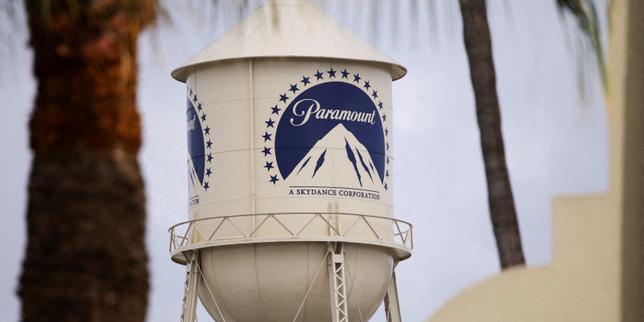
Hollywood just got a lot smaller. Paramount has officially closed its massive 110-billion-dollar acquisition of Warner Bros Discovery, locking in a deal that completely reshapes the entertainment industry. Outbidding tech giants like Netflix, the newly formed entity is taking the name Skydance. You are looking at a brand-new media colossus that controls everything from HBO Max and Paramount+ to CBS News, CNN, and legendary film franchises like Harry Potter, The Lord of the Rings, and Mission: Impossible.
Deals of this scale don't happen in a vacuum. Streaming wars are brutal, traditional television is bleeding viewers, and ballooning debt loads mean companies have to scale up or die. Let's look at what this mega-merger actually means for the screen, the industry, and your monthly subscription bills.
A Massive Portfolio Under One Roof
When you combine Paramount Pictures and Warner Bros, you get an insane catalog of intellectual property. David Ellison is stepping up to lead the creative direction and strategy, alongside Mattel CEO Ynon Kreiz as co-CEO to manage day-to-day operations.
Consider the sheer weight of what they now own:
- Film Studios: Paramount Pictures, Warner Bros, New Line Cinema.
- Streaming Platforms: Paramount+ and HBO Max facing an inevitable consolidation path.
- News and Networks: CBS News, CNN, MTV, Nickelodeon, Comedy Central, and TNT Sports.
Netflix tried to grab the prize, but they got outbid. Comcast also threw its hat into the ring before bowing out. That left Ellison and his backers to push the finish line across. But buying a Hollywood giant for 110 billion dollars comes with a brutal hangover: an estimated 80 billion dollars in combined debt.
The Cost Cutting Reality
Big corporate marriages always sound glamorous in press releases. The reality on the ground is messy. Skydance has already set a target of 6 billion dollars in savings. A significant portion of that will come from non-labor sources like combining cloud providers and streaming technologies, but executive leadership has already admitted that difficult workforce decisions are coming.
You're also going to see major shifts in how content gets distributed. Keeping subscribers hooked means spending billions on new shows and movies every single year. By merging libraries, Skydance hopes to stop the customer churn that plagues standalone streaming apps. Instead of paying for five different niche services, you'll likely see bundled packages that try to lock you into the ecosystem for good.
What This Means For You
If you love movies and television, expect a bumpy transition. Mergers of this size usually trigger delays in greenlit projects while new executives audit budgets. Franchises like Harry Potter and the DC universe will remain cash cows, but studio heads might become more risk-averse, leaning heavily on proven IP instead of funding risky, original concepts.
On the news side, keeping editorial boards independent for networks like CNN and CBS News was a key concession during the negotiations. Time will tell if that independence holds up under financial pressure.
Hollywood is entering an era of consolidation where only the biggest survive. Skydance is now the apex predator in the room. Whether it can service its massive debt without crushing creative talent is the real question everyone in the industry is asking right now.