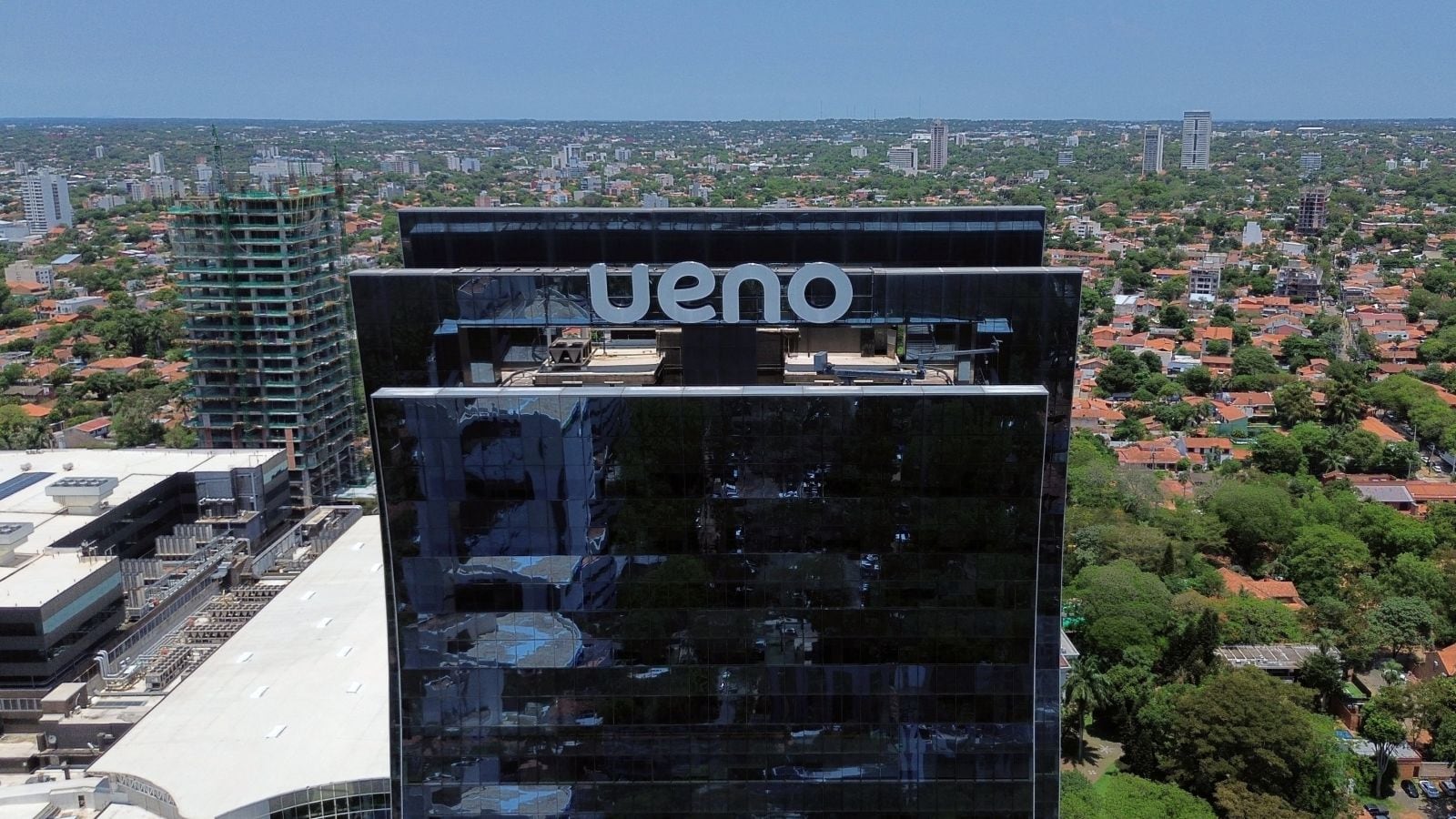
When roughly three million people suddenly lose access to their bank accounts, streets don't stay quiet for long. Paraguay is currently living through a financial meltdown that has rapidly mutated into a full-scale political earthquake. The seizure of digital lender Ueno Bank by the Central Bank of Paraguay didn't just rattle the nation's financial sector—it dragged President Santiago Peña directly into the crosshairs of angry citizens, plunging his administration into a legitimacy crisis.
If you are trying to understand how a digital banking controversy turned into thousands of protesters demanding a presidential resignation and impeachment proceedings, you need to look past the surface headlines. This isn't merely a corporate failure. It’s a collision of state funds, old political ties, and public fury that boiled over in Asunción.
How Ueno Bank Blew Up
Ueno Bank grew at a dizzying pace by pushing digital-first financial services in a country hungry for modern banking options. But rapid expansion often masks deep structural weaknesses. The Central Bank of Paraguay stepped in to initiate a formal resolution procedure for the lender after insolvency issues froze accounts for millions of everyday customers.
The immediate fallout was chaotic. Pensioners, small business owners, and everyday workers found themselves completely locked out of their savings. While the state pension fund scrambled to reassure roughly 32,000 retirees that their payments would be rerouted, the psychological damage was already done. Trust in a financial system takes decades to build and minutes to shatter. Once depositors realized their money was trapped, public anger shifted instantly from the boardroom to the steps of Congress.
The Political Fallout Hits President Peña
Financial panics are bad enough, but this crisis hit the executive branch like a freight train because of President Santiago Peña's personal history with the institution. Peña, a conservative economist who took office in 2023, was heavily tied to Ueno's holding group before selling his shares in March 2025 for over 6 billion guaraníes.
That timeline matters. Investigative reporting revealed that entities linked to Peña continued cashing in on marketing and business arrangements with Ueno even after he divested. Critics had warned for months about the dangerous consolidation of public funds—including state pension money—into a single digital lender. Peña initially dismissed those warnings as a petty smear campaign, claiming he was merely trying to protect retirees.
That defense didn't age well. As soon as the bank collapsed, thousands of demonstrators flooded the streets of Asunción demanding his resignation. Prosecutors quickly requested criminal investigations and issued arrest warrants for multiple executives linked to the bank, freezing assets as the dragnet widened.
The Impeachment Bid and What Happens Next
The political opposition smelled blood and moved fast. Thirty-five lawmakers in the 80-member lower house officially submitted impeachment articles against Peña, accusing him of severe conflicts of interest, misuse of public pension funds, and trying to cover up institutional decay.
To move forward, the motion needs a two-thirds majority—roughly 53 votes—which the opposition doesn't easily have since Peña’s ruling Colorado Party holds majorities in both legislative chambers. Even so, the political damage is profound. Cracks are showing within the ruling party itself, with different factions jockeying for position as public pressure mounts. Peña was even forced to cancel his planned trip to the XXX Ibero-American Summit in Madrid to manage the domestic firestorm.
Meanwhile, the Central Bank of Paraguay has started rolling out payment instructions for affected customers to begin untangling the mess. Neighboring lenders have absorbed an influx of displaced account holders, and the country's broader banking association insists the rest of the financial system remains stable.
Transparency and strict oversight are the only antidotes to systemic corruption fears. If Latin America's digital banking boom is going to survive this shock, governments must sever the cozy financial ties between regulators and private lenders once and for all. Keep a close eye on Asunción over the coming weeks; the fallout from this collapse will dictate the political survival of Paraguay's leadership for the remainder of their term.