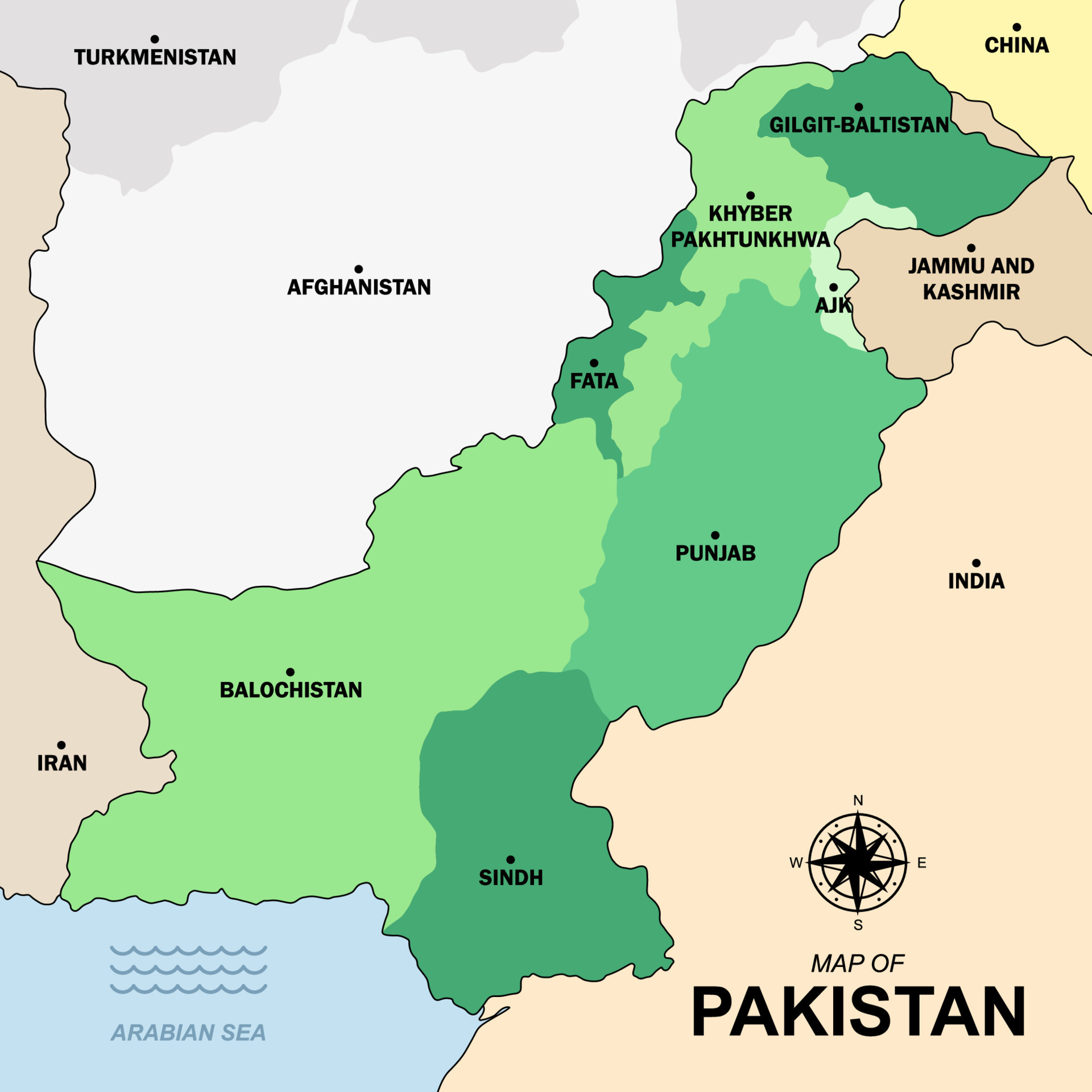
Pakistan is staring at an institutional chokehold right now, and the military establishment has a fresh answer for it. Army Chief Asim Munir wants to redraw the map. The proposal sitting behind closed doors in Rawalpindi involves breaking up the country's four historic provinces—Punjab, Sindh, Khyber Pakhtunkhwa, and Balochistan—into twelve to fifteen smaller administrative units. On paper, it sounds like standard bureaucratic reform. In reality, it's a textbook power grab disguised as administrative efficiency.
Let's look past the press releases. Why would an army chief want to shatter provinces that have existed since long before the country was founded in 1947? The official narrative claims that these regions are simply too massive to manage effectively. Proponents argue that smaller states would streamline tax collection, speed up local infrastructure projects, and bring government closer to ordinary citizens. But nobody in Islamabad is talking about the real motive: survival and centralized control. If you found value in this post, you should look at: this related article.
The Politics Behind the Map Redrawing
Pakistan's four large provinces aren't just lines on a map. They are massive political power bases with their own established hierarchies. Punjab has traditionally been the stronghold of the Pakistan Muslim League-Nawaz, while Sindh remains firmly under the Pakistan Peoples Party. Even during previous military regimes, these giant provincial structures served as independent centers of gravity and political counterweights to the central government in Islamabad.
If you break these heavyweights into smaller, financially fragile pieces, you shatter that resistance. Smaller units would rely heavily on federal funding, which means they would depend entirely on the central apparatus and the military high command. It’s classic divide and rule. When regions are small and weak, they can't mount effective political opposition. For another angle on this event, see the recent coverage from Associated Press.
Munir has accumulated more domestic power than almost any predecessor in recent history. With former Prime Minister Imran Khan locked away and his Pakistan Tehreek-e-Inspiratn (PTI) movement facing relentless crackdowns, the military establishment faces virtually no institutional checks. Yet, public anger is boiling over across the country. Khyber Pakhtunkhwa is already locked in intense political turmoil, and Balochistan remains a persistent security nightmare where basic public services are virtually nonexistent.
The Contradiction at the Heart of the Plan
The military argues that smaller provinces will solve chronic underdevelopment. But critics point out a glaring hypocrisy. The deep-rooted crises plagging Pakistan didn't happen by accident. The military itself controls vast amounts of prime land, operates sprawling commercial enterprises, and claims an enormous share of state resources.
When you have an army that runs everything from breakfast cereal brands to fertilizer plants, civilian governance gets suffocated. Pointing to failing public services while ignoring the military's economic footprint is disingenuous. If Punjab's residents struggle to find clean drinking water or Balochistan faces structural poverty, the root cause isn't the physical size of the province. It's an extractive power structure that drains public money to fund defense budgets and corporate fiefdoms while keeping the civilian population dependent.
Furthermore, redrawing borders in ethnic belts like Sindh and Balochistan is a dangerous game. In these regions, provincial boundaries are deeply tied to cultural and ethnic identity. Any heavy-handed attempt by central authorities to slice up historic territories risks triggering severe regional revolts. Sindhi nationalists and regional groups view any tampering with provincial borders as an existential threat to their political survival.
What Comes Next
Can the establishment pull this off? Changing the internal map requires constitutional amendments that would face ferocious opposition in assemblies and on the streets. Yet, the fact that this proposal is being floated openly tells you everything you need to know about where Pakistan's power dynamics are heading.
The military isn't trying to fix the nation's governance. They're trying to secure total dominance before the current system collapses under its own debt and domestic friction. When a state starts carving up its own provinces to neutralize political rivals, it's rarely a sign of strength. It's a desperate maneuver to stay in control.