Trying to call a bottom in the relentless U.S. Treasury bond sell-off sounds like financial suicide. Yet, a growing group of options traders is doing exactly that.
For months, the bond market rout has punished fixed-income investors. Yields climbed, prices plummeted, and anyone trying to catch a falling knife walked away bleeding. But everything shifted following a surprisingly strong 10-year Treasury auction marked by a massive "bullet bid." That single auction triggered a wave of positioning in the options pits, with smart money starting to bet that the worst of the carnage is over. If you liked this piece, you might want to read: this related article.
You shouldn't blindly follow every speculative bet on Wall Street. However, ignoring what the derivatives market is signaling right now is a mistake.
The Turning Point in U.S. Treasuries
The recent 10-year Treasury auction wasn't just another routine debt sale. It acted as a stress test for market demand, and buyers stepped up in a major way. When a "bullet bid" enters the market, institutional capital is basically drawing a line in the sand. For another look on this event, refer to the recent update from Financial Times.
Options traders noticed immediately. Instead of loading up on protection against further yield spikes, trading desks began shifting their focus toward instruments that benefit from a stabilization or recovery in bond prices. ETFs like the iShares 20+ Year Treasury Bond ETF (TLT) saw shifts in sentiment as traders tested the waters for a durable floor.
It's a high-stakes gamble. Inflation worries, persistent government borrowing, and shifting Federal Reserve rate expectations haven't vanished overnight. But markets rarely wait for the macro environment to look pristine before staging a turnaround. By the time everyone agrees the coast is clear, the cheap options are gone.
Reading the Signals in Sector Options
The optimism isn't limited strictly to government debt. Defensive sectors heavily sensitive to interest rates are also seeing shifts in trader behavior.
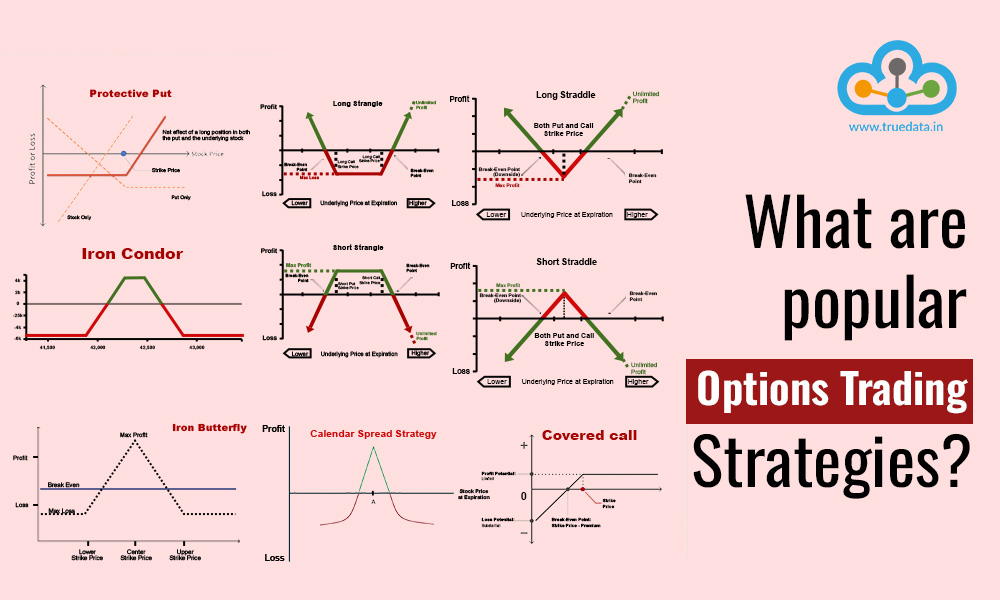
For instance, utilities have caught the eye of option strategists looking for stability. Recent trading sessions showed notable put-selling activity in sector funds like the XLU ETF. When institutional players sell puts, they are effectively getting paid to take the other side of the trade, betting that prices won't drop below a certain threshold. It translates to a vote of confidence that defensive yields are finding a footing.
If you look closely at how these positions are structured, patterns emerge. Traders are moving away from panicked hedging and toward calculated positioning for a range-bound or recovering yield environment.
What This Means for Your Portfolio
You don't need to trade complex options spreads to learn from what is happening in the bond market right now. The takeaway is about market psychology and supply-demand dynamics.
When an asset class experiences a brutal, prolonged sell-off, sentiment usually hits extreme pessimism just as the underlying math starts favoring buyers. Yields reaching multi-year highs mean the long-term return profile for fixed income looks fundamentally different today than it did a few years ago.
Stop trying to time the exact micro-bottom of the bond rout. Instead, focus on the structural reality. Strong auction demand proves that large institutional buyers are willing to step in at these yield levels. When the biggest balance sheets in the world decide the price is right, markets listen.
Take a realistic look at your fixed-income exposure. If you fled the asset class entirely during the panic, it's time to re-evaluate whether your portfolio is overly defensive. Markets turn when nobody is looking. The recent auction suggests that quiet shift might already be underway.