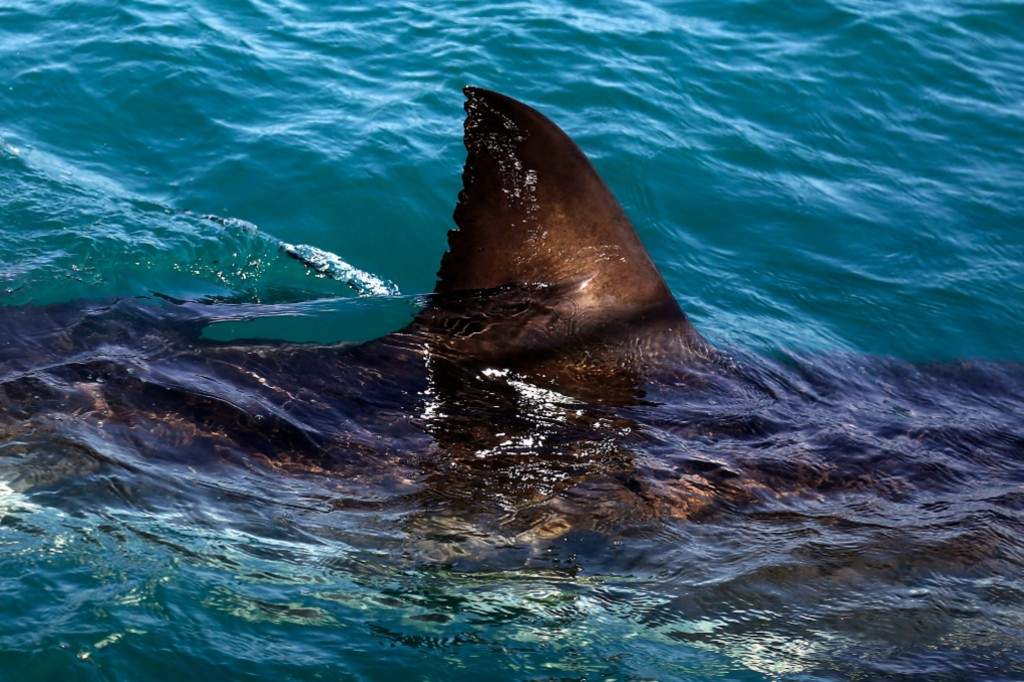
The ocean doesn't care about your routine. For 65-year-old Janine Lochrenberg, the sea was home, until a fatal encounter at Orient Beach in East London, South Africa, shattered a community and brought the grim reality of marine wildlife safety back into sharp focus.
Fatal shark attacks are terrifyingly rare, yet they happen. When they do, the narrative usually dives straight into panic, beach closures, and finger-pointing. But if you look at how open water swimming is actually practiced, you'll see a mix of calculated risks, personal passion, and a stark lack of infrastructural protection.
The Reality of South Africa's Coastline
South Africa is famous for its breathtaking shorelines and its marine biodiversity. It is also home to some of the most dynamic predator habitats on earth. When emergency services rushed to Orient Beach at around 7 a.m., they weren't dealing with a crowded tourist zone packed with inflatables and chaotic splashing. They were dealing with dedicated, experienced open water swimmers.
Lochrenberg wasn't just a casual beachgoer. She was a retired nuclear radiographer, a talented violist in the Viva Musica Ensemble, and a treasured fixture in the local open water swimming group. Fellow swimmer Mike Loewe noted that she liked to swim solo and possessed incredible courage. But courage doesn't change marine biology.
Municipalities quickly shut down Orient Beach and Eastern Beach following the tragedy, urging locals to stay out of the water. Officials haven't yet confirmed the exact shark species involved, but the incident highlights a persistent tension between human recreation and natural predator zones.
What the Data Actually Tells Us
Most people assume shark encounters are on a massive upward trajectory everywhere. Statistically, the odds remain microscopic. According to the International Shark Attack File at the University of Florida, you are vastly more likely to be injured driving to the beach than you are by a shark once you get there.
Yet, open water swimming has exploded in popularity over the last few years. More people are training year-round, swimming further from shore, and hitting the water during early morning hours—the exact times when visibility is low and predatory activity peaks.
Let's look at the standard safety advice issued after every single attack:
- Avoid swimming at dawn or dusk.
- Stay close to shore.
- Never swim alone.
- Avoid areas with bait fish or seals.
It sounds simple on paper. In practice, serious distance swimmers routinely break these rules because training goals demand it. When your entire community centers around dawn endurance sets, waiting for full sunlight isn't always practical.
The Balance Between Passion and Prudence
Communities like the East London open water swimming network are tight-knit. Losing someone like Lochrenberg leaves an enormous hole in an ocean family. Tributes from her fellow swimmers and musicians paint a picture of a quiet, unassuming woman who found her ultimate joy in the water.
That passion is hard for outsiders to understand. Why risk it? For swimmers, the mental health benefits, the physical endurance, and the sheer serenity of the open sea outweigh the statistical risks. You can't wrap the entire ocean in a net.
If you're heading into the water anywhere along rugged migration routes or known predator corridors, stop relying on luck. Invest in shark deterrent devices if you swim frequently, buddy up even if your preferred style is solo, and pay attention to local water conditions rather than assuming yesterday's safety applies today. Respect the ocean on its own terms because it will never negotiate on yours.