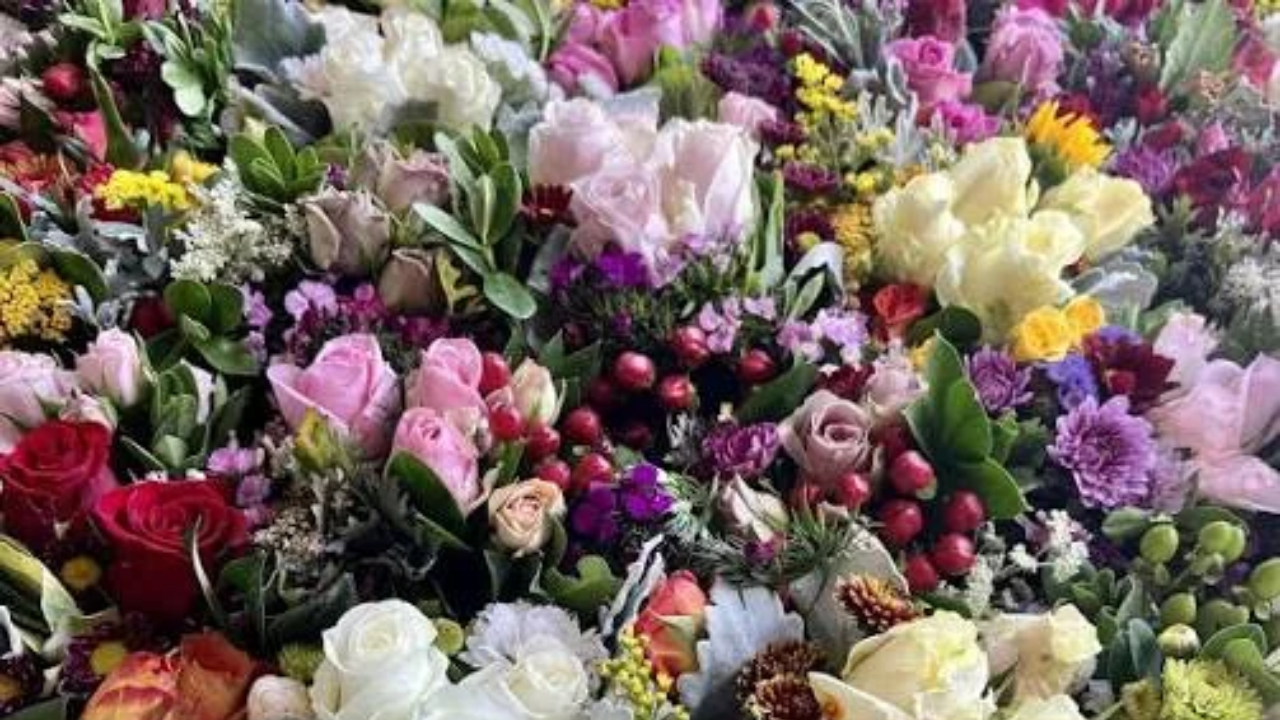
You drop flowers into a trash can the day after a party or a funeral without thinking twice. But in Indianapolis, someone else looks at those same discarded stems and sees a lifeline. Random Acts of Flowers Indianapolis recently marked its tenth anniversary by delivering its 175,000th bouquet to a patient at Eskenazi Health. It is a staggering milestone for an organization that started with a fast online fundraising blitz and a simple desire to bring color into sterile hospital rooms.
The Forty Five Minute Spark That Built the Indianapolis Chapter
Back in 2016, local organizers didn't have a massive endowment or corporate backing. They had a goal, a network of passionate citizens, and a clock. Supporters raised $9,000 in just 45 minutes to plant the seeds for the Indianapolis branch. That quick burst of funding covered initial workshop space, basic supplies, and transport logistics.
Most non-profits spend months begging for seed money. This group proved that when a mission connects directly with a community's core values, funding follows fast. The model itself wasn't complicated: take surplus flowers from weddings, memorial services, and commercial florists, repurpose them, and hand-deliver them to people isolated by illness or long hospital stays.
Why Hospital Rooms Need More Than Medicine
Hospitals are sterile, noisy, and relentlessly functional. Monitors beep, fluorescent lights hum, and patients stare at beige walls for days or weeks. Clinical care heals the body, but it often ignores the heavy psychological toll of being cut off from normal life.
When a volunteer walks into a room with a vibrant, hand-arranged vase of flowers, the atmosphere shifts instantly. Patients who haven't spoken or smiled in hours suddenly light up. Executive Director Kelly McBride puts it simply: those 175,000 bouquets represent 175,000 individual human connections. It is proof that empathy matters just as much as clinical expertise in modern healthcare.
Inside the Volunteer Engine
Running a flower recycling operation isn't as glamorous as dropping off a pristine retail arrangement. It takes dirty, hands-on physical labor.
Here is how the daily workflow actually operates behind the scenes:
- Rescue Runs: Volunteers drive cargo vans to partner sites, collecting unsold or leftover flowers from local florists, event planners, and funeral homes before they hit the dumpster.
- The Workshop Grind: Back at the headquarters, teams strip dead leaves, cut stems at an angle, change water, and sort flowers by color and type.
- Arranging and Dispatch: Everyday arrangers assemble the stems into portable, cheerful vases. Delivery teams then transport them directly to bedside tables across central Indiana medical facilities.
Without this army of local volunteers donating their mornings and afternoons, the entire operation would grind to a halt in twenty-four hours.
The Origin Story Rooted in an ICU Bed
The national movement traces back to 2007 when founder Larsen Jay survived a major accident and spent weeks recovering in an intensive care unit. His room overflowed with vibrant arrangements from well-wishers, while patients in neighboring beds stared at empty tables. He started redistributing his surplus blooms to strangers, noticing how quickly a simple rose or carnation changed someone's outlook.
That bedside observation turned into a nationwide blueprint. When the Indianapolis chapter picked up the torch in 2016, they inherited that exact philosophy. Ten years later, they've proven that sustainability and compassion can merge into something that permanently alters a city's healthcare culture.
What You Can Do Right Now
You don't need to launch a non-profit to make an impact. If you are planning an event, ask your florist what happens to the leftover centerpieces. If you run a local business or shop frequently at flower markets, look for ways to partner with community recycling initiatives. Small, deliberate choices keep waste out of landfills and put smiles on faces that desperately need them.