A commercial airplane is a closed ecosystem. You strap yourself into a seat, trust strangers you'll never meet with your life, and assume basic human vetting works.
Then September 30 happens.
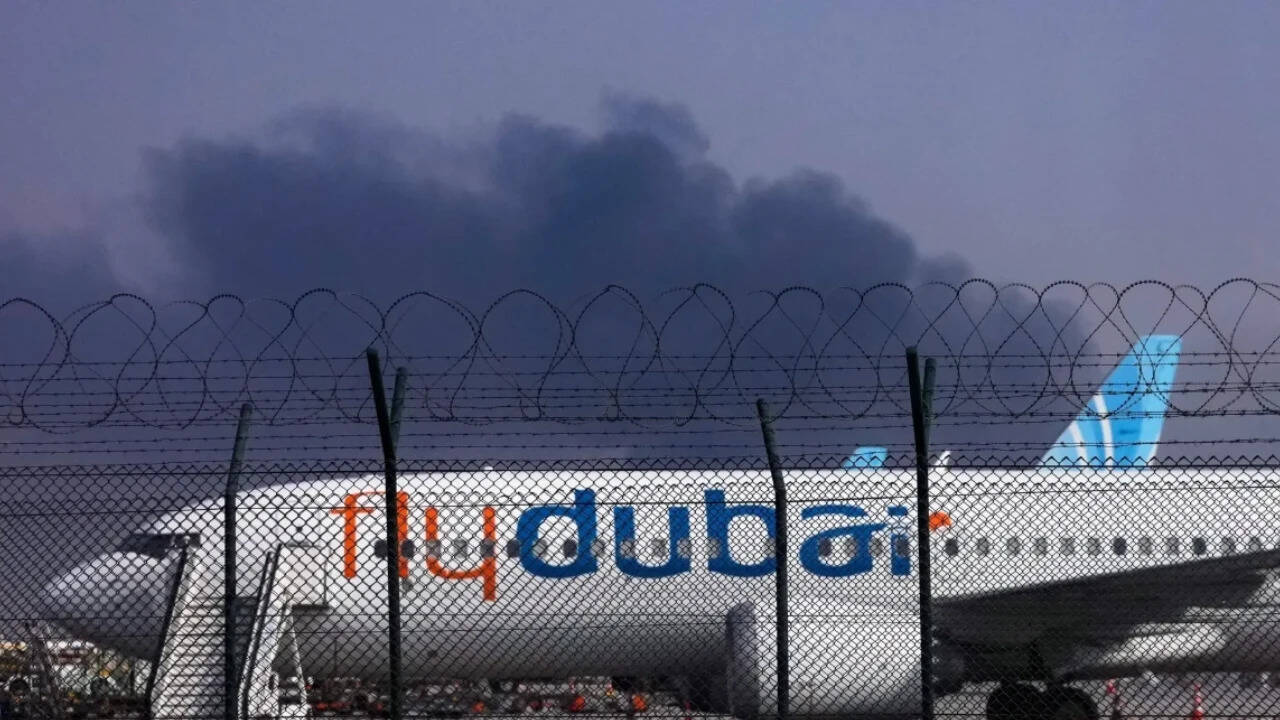
A routine Flydubai flight from Dubai to Tel Aviv turned into a nightmare when an Omani co-pilot allegedly turned on his own captain inside a locked cockpit. That single terrifying breach exposed massive vulnerabilities in regional aviation, prompting Israel's National Passenger Screening Center (MALAN) to throw out the old rulebook and mandate strict new data protocols for foreign carriers.
If you fly internationally, you need to understand why this security overhaul matters. Aviation safety is reactive by nature, but this specific policy shift changes how foreign flight crews are vetted before they even touch Israeli airspace.
What Triggered the Security Panic
The incident aboard Flydubai Flight 1073 wasn't just a scuffle. According to investigators, the co-pilot attempted to seize control of the aircraft mid-flight. Thanks to the heroic intervention of the injured Indian captain, Smit Machchhar, along with off-duty pilots and passengers on board, a catastrophe was averted, and the plane diverted safely to Saudi Arabia.
However, the fallout exposed an uncomfortable truth. Reports quickly surfaced indicating the attacking pilot had previously faced disciplinary grounding due to extremist material found in his possession. How that individual slipped through regional background checks and sat in a commercial cockpit heading toward Tel Aviv is the exact question keeping security officials awake at night.
When intelligence points toward radical indoctrination, passive trust in foreign airline HR departments stops immediately. Israel decided it couldn't rely on third-party screening alone.
Inside the New Mandates
Under the updated regulations issued by MALAN through the Israel Tax Authority, foreign carriers don't just land and clear customs anymore. The verification process starts days before the wheels leave the tarmac.
Airlines operating routes into Israel must now submit complete crew rosters and identifying details 48 hours before departure. That's not a one-time upload, either. Carriers must report roster modifications continuously during the check-in window, lock in updates no later than two hours prior to takeoff, and provide a final manifest right as the flight leaves.
It's a logistical headache for airlines, but it gives Israeli intelligence systems a tight window to cross-reference crew lists against security databases before planes enter sensitive airspace.
The Ripple Effect on Regional Travel
Airlines hate extra red tape, but passenger anxiety speaks louder than corporate convenience. Following the incident, consumer confidence took an immediate hit, leading regional carriers like Israir to temporarily freeze sales on specific international routes as passengers reevaluated safety measures.
Other nations are watching closely. When one cockpit breach threatens geopolitical stability and international transit corridors, security protocols across the Middle East face intense pressure to standardize. Expect other countries to adopt similar multi-tier crew vetting processes to prevent insider threats.
The cockpit door is supposed to be the ultimate barrier. When the threat comes from inside that door, the defense has to start long before boarding.
Stop assuming commercial aviation is foolproof. Vetting procedures are changing because they had to.
Flydubai Hijacking Attempt Raises Security Questions in Israel
This short video provides a quick overview of the security questions raised by the Flydubai cockpit incident.