Reality television is flooded with fabricated drama, manufactured rows, and influencers trading manufactured smiles for brand sponsorships. That makes the comeback of a raw, unvarnished hospital documentary feel downright radical. When Channel 4 first launched a fly-on-the-wall window into a maternity unit back in 2010, televisions lit up with casual chats about weird pregnancy cravings and partners bickering over baby names. Nearly two decades later, the format is back for a 12th series. But the world outside the hospital doors has changed completely.
Today's viewers live online. They scroll past hundreds of bite-sized clips every single hour, meaning television producers have to work much harder to capture attention spans trained on instant dopamine. Yet, the appeal of watching real human vulnerability remains stronger than ever. The new series, set inside St Mary's Hospital in Manchester, trades lighthearted background chatter for high-stakes medical reality. Caesarean births have doubled over the past decade, and the show doesn't shy away from complex procedures, health anxieties, or deep-seated trauma. Recently making news lately: Why Once Upon A Time In Harlem Is The Most Important Documentary You Will See This Year.
The Shift From Staff to Patient Stories
Earlier runs of the show often put medical professionals front and center. Ward managers, consultants, and midwives guided the rhythm of the episodes. Series 12 pivots hard toward the parents themselves. Executive producer Will Rowson from Dragonfly notes that audiences no longer need quirky, eccentric hospital anthropology because they can find miscellaneous short-form content anywhere on their phones. Instead, the focus is placed squarely on deep storytelling, family backstories, and the immense emotional weight of bringing a child into the world.
This creative shift opens the door to raw conversations about topics that used to stay locked behind closed doors. Miscarriage, fertility struggles, and the heavy mental toll of trying to conceive take center stage right from the first episode. Faye, an NHS clinical lead participating in the show, opens up about the crippling heartbreak of multiple miscarriages before experiencing a surprise pregnancy at age 38. Her narrative dismantles the quiet shame many women carry, exposing how fertility challenges strain relationships and distort personal identity. Further information regarding the matter are covered by IGN.
Breaking the Taboo Around Modern Pregnancy
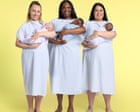
We spend our lives scrolling through curated digital feeds showing immaculate nurseries and effortless postpartum glows. Reality tells a very different story. Participants like Peace, who features with her twin newborns, wanted to push past the illusion of the "perfect pregnancy." Her journey highlights the unpredictable nature of carrying multiples, managing health complications, and letting go of control when things veer off plan.
Casting director Nsofwa Nwannadi points out that recruitment relied heavily on hospital outreach and genuine community engagement across minority ethnic, LGBTQ+, and disability groups. Instead of casting for loud personalities like a standard competition show, the production reflects the actual tapestry of patients walking through NHS maternity doors. Fathers grapple with shifting definitions of modern masculinity, while mothers voice valid fears about losing their pre-child identities.
Why Visceral Television Still Wins
The medical scenes are as visceral as ever. Bellies are opened under harsh theatre lights, and babies emerge straight into the chaotic reality of medical intervention. Executive producer Will Rowson sums up the visceral shock value best by noting how viewers will catch themselves thinking they cannot believe they are allowed to witness such moments.
Strip away the filters and you find a masterclass in empathy. By letting parents speak candidly about fear, grief, and sheer relief, the show cuts through the noise of modern broadcasting. It treats childbirth not as a sanitized content opportunity, but as a profound, messy, and deeply human milestone.
Turn off your phone, settle into the couch, and watch how real stories unfold when nobody is hiding behind a filter.