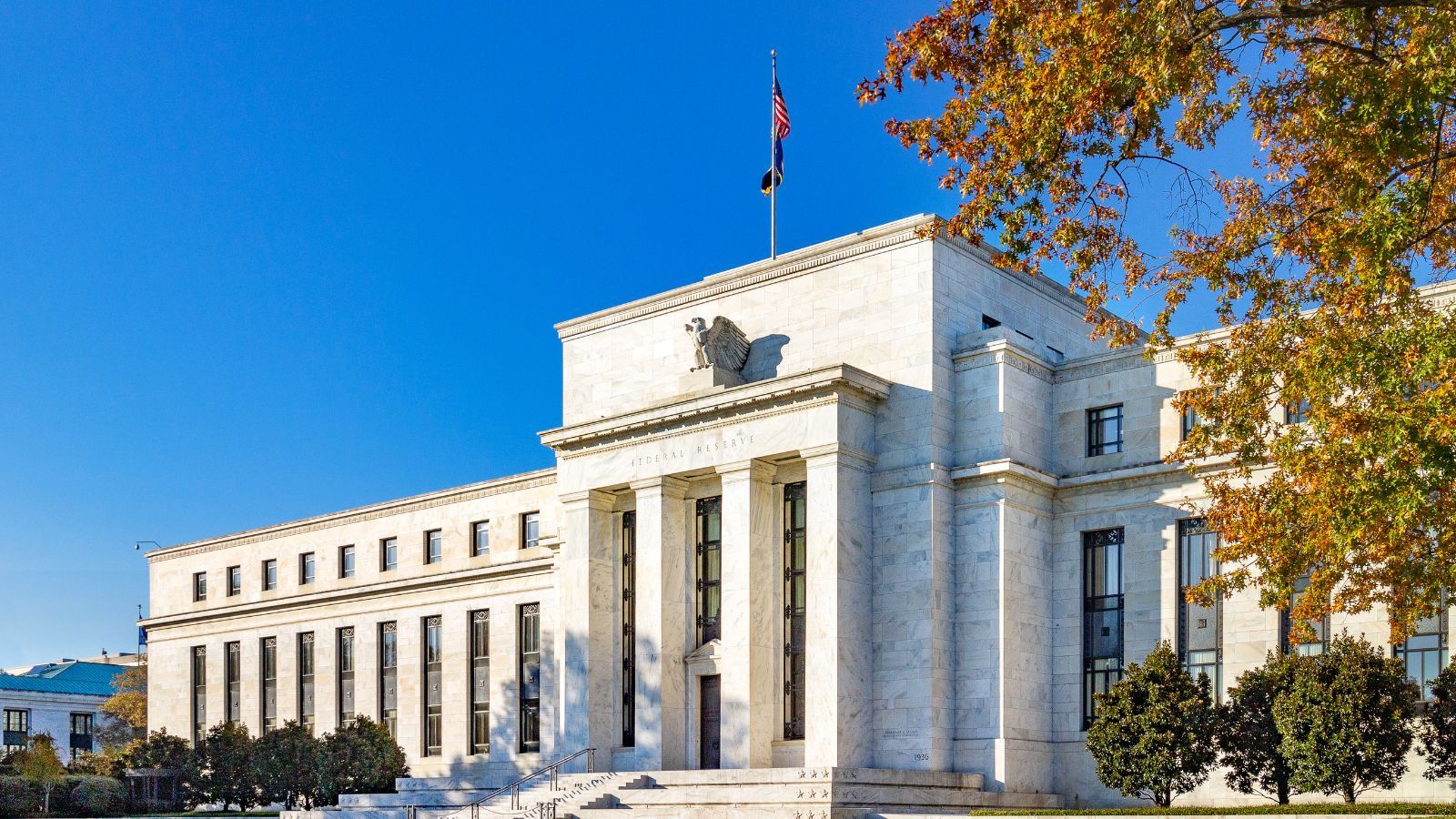
You have probably heard the talking heads on financial networks obsessing over every decimal point in the monthly Consumer Price Index. When the October inflation numbers drop, everyone treats the data like a crystal ball for Federal Reserve interest rate cuts. But this time around, the numbers came with a massive blind spot that Wall Street models completely failed to price in.
Let us look at what actually happened behind the headline numbers, why the missing data matters more than you think, and what you should expect next if you are trying to manage your money in this economy.
The Blind Spot No One Is Talking About
Every month, economists rely on the Bureau of Labor Statistics to provide clear year-over-year comparisons. October threw a wrench into those models. Because of the federal government shutdown back in October 2025, data collection ground to a complete halt.
What does that mean for today? The Labor Department cannot actually publish standard 12-month percentage changes for indexes where last year's data points are missing.
If you glance at headline feeds, you will see analysts scrambling to plug holes with estimates from the Cleveland Federal Reserve's Nowcasting models or private economic forecasts. They are guessing. When the people managing multi-billion-dollar portfolios are forced to guess based on incomplete baseline data, regular investors get caught in the crossfire of sudden market volatility.
Energy Costs Stop Driving the Bus
For months leading up to this report, energy prices acted like an anchor dragging down household budgets. Spikes in gasoline and heating fuel made everyday driving and utility bills painful.
In October, the script flipped slightly. Energy prices finally offered a bit of a breather, with gasoline pulling back around one percent on a monthly basis. That small shift prevented headline inflation from surging at the alarming pace we saw in September.
Yet, don't pop the champagne just yet. Core inflation—which strips out the volatile food and energy sectors—keeps grinding higher due to sticky service costs and lingering pressures in imported goods. Rent and shelter expenses refuse to drop back to pre-pandemic baselines. Even if you save a few dollars filling up your tank, your monthly living expenses remain stubbornly high.
What This Means for Federal Reserve Interest Rates
Wall Street lives in perpetual anxiety over what the Federal Reserve will do next at its policy meetings. Before this report, traders bet heavily on whether the central bank would pause or push forward with another rate adjustment.
The mixed signals from October complicate everything. On one hand, cooling energy prices suggest that aggressive rate hikes from previous years finally completed their job of slowing down certain sectors. On the other hand, core services inflation remains an stubborn beast.
When you dig into the details, consumer expectations for inflation over the next three to five years remain anchored near three percent. That tells you everyday consumers do not believe prices are going down anytime soon. They expect things to stay expensive, and their spending habits reflect that reality.
How to Protect Your Money Right Now
Stop waiting for inflation to vanish entirely. Prices rarely roll back; they simply stop growing as fast. If you want to insulate your personal finances from ongoing cost pressures, you need practical moves.
- Audit your recurring monthly bills: Service inflation is where budgets bleed out. Review your insurance policies, streaming subscriptions, and internet providers right now. Providers count on you being too lazy to switch.
- Keep an emergency buffer in high-yield vehicles: With interest rates staying higher for longer than anticipated, make sure your cash isn't sitting in a traditional zero-percent checking account. Earn the yield while it is available.
- Focus on fixed-rate debt: If you have variable-rate debt, pay it down aggressively before any unexpected central bank shifts hit your monthly payments.
The October inflation report proved one undeniable truth. The economic landscape remains messy, unpredictable, and full of data gaps. Ignore the daily market noise, protect your cash flow, and build a financial buffer that can weather whatever surprise the Bureau of Labor Statistics uncovers next month.