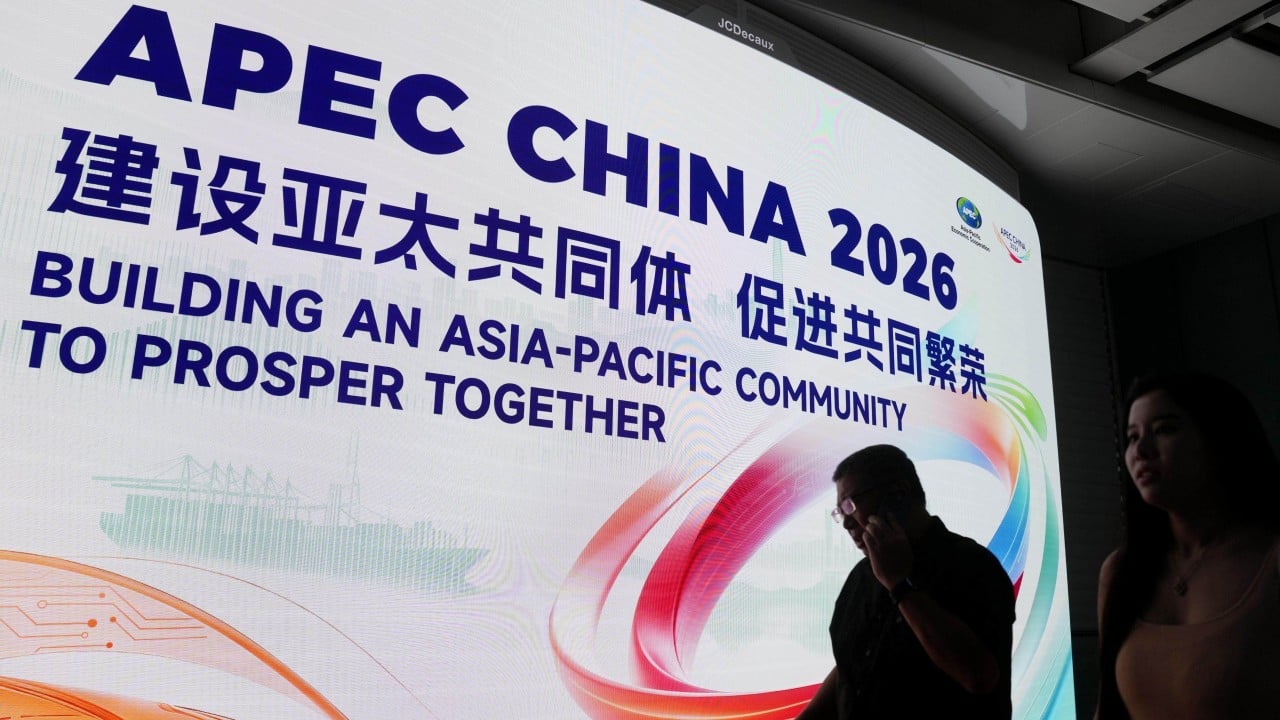
Geopolitics and corporate influence rarely mix quietly. As the United States finalizes its executive delegation for the upcoming Apec CEO Summit in Shenzhen, the roster tells a revealing story about who holds favor and who is suddenly sitting on the sidelines. Google and Boeing secured their places on the official manifest, but Nvidia chief Jensen Huang's attendance has dissolved into serious doubt.
If you look closely at how Washington manages its high-stakes technology diplomacy, this sudden shift isn't just about a single summit. It represents a major recalculation in how corporate titans navigate trade restrictions, regulatory scrutiny, and sudden political storms. Meanwhile, you can explore similar stories here: Why Modern Welfare Systems Are Cracking Under The Weight Of Demographics.
The Shifting Dynamics of the Apec Business Delegation
Every major international trade gathering comes with a heavy dose of positioning. When business leaders travel alongside political figures to economic forums, they aren't just networking—they are actively trying to shape policy outcomes.
For Nvidia, getting a seat at the table in Shenzhen would have been a massive win. The chipmaker has spent months trying to crack open pathways to sell advanced processors into the Chinese market, constantly bumping up against tightening export controls from Washington. Yet, recent controversies involving an internal probe and intense political spotlight have complicated Huang's travel plans. To explore the full picture, we recommend the detailed report by The Economist.
By contrast, companies like Google and Tesla—with figures like Elon Musk expected to join the fold—maintain a clearer runway for participation. Google's inclusion underscores how software, infrastructure, and cloud ecosystems continue to find different avenues for international engagement compared to hardware monopolies caught in the crosshairs of national security debates.
Why Nvidia's Absence Changes the Equation
Nvidia dominates the hardware powering the global artificial intelligence boom. Because of that market dominance, any trade delegation touching down in Asia without its chief executive misses a central voice on semiconductor supply chains.
Beijing remains a critical market and a primary puzzle for advanced chip manufacturers. Without direct representation at the executive level during these high-level discussions, chipmakers lose an immediate channel to lobby against restrictive trade thresholds. Other corporate players are eager to fill that vacuum, pushing their own agendas while the hardware giant sorts out its internal compliance and external political pressures.
At the same time, the timing couldn't be more awkward. The summit runs concurrently with heavy financial reporting windows and intense congressional scrutiny. When executives face distractions of this magnitude, stepping back from international travel becomes a defensive necessity rather than a strategic choice.
What This Means for Tech Trade Moving Forward
Corporate diplomacy relies heavily on stability and access. When high-profile executives get sidelined, trade negotiations don't stop—they simply adapt without them. Competitors and allied industries step into the spotlight, securing direct facetime with policymakers while others deal with crisis management back home.
If you are watching the intersection of global trade and artificial intelligence, pay attention to who actually closes deals on the ground in Shenzhen rather than who made the initial headline drafts. The absence of key semiconductor leadership leaves room for others to shape the narrative on hardware export rules for the foreseeable future.