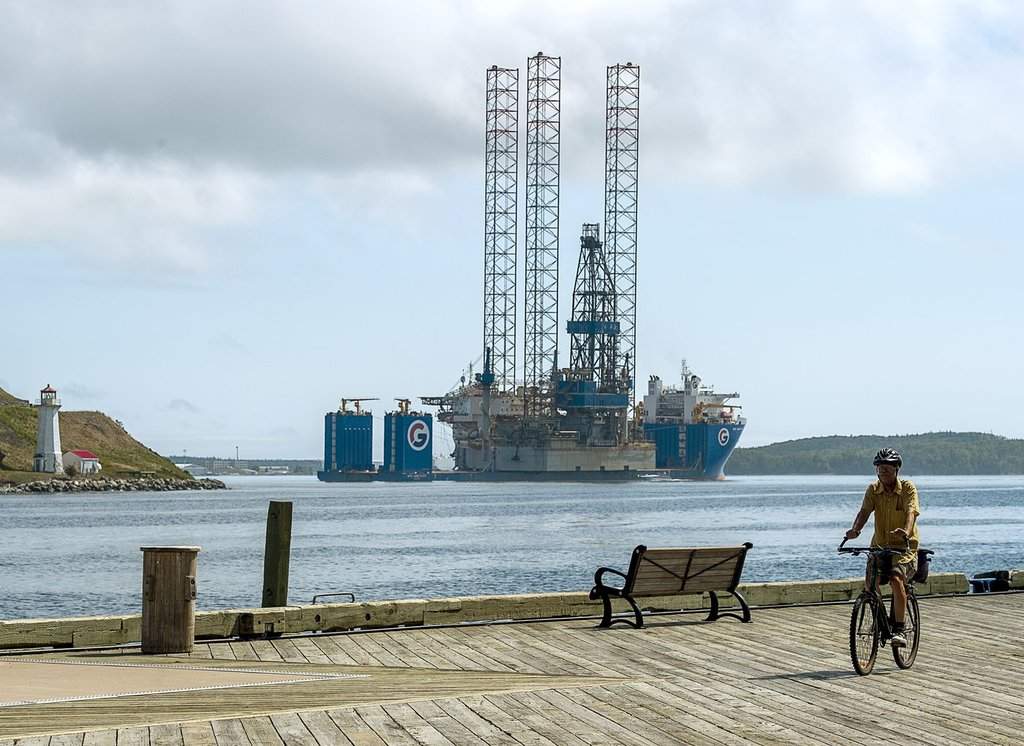
Big energy dreams don't always survive contact with reality. Nova Scotia just learned that lesson the hard way.
Premier Tim Houston confirmed that Inceptio Oil and Gas failed to cough up a required $50 million deposit. This stumble stalls the only active approved group trying to spark life back into the province's dormant offshore energy sector. People want energy independence and economic growth, but financing massive fossil fuel exploration remains brutal. You might also find this related story useful: Why The Russian Thai Investment Forum In Bangkok Changes The Economic Playbook.
Let's look at what went wrong and why this matters for the future of Atlantic Canada's resource economy.
The Deal That Fell Short
Back in April, regulators approved a flashy $210 million exploration bid. The venture was led by Nova Scotian James Edens and backed by U.K.-based Inceptio. On paper, it looked like a turning point. As reported in recent articles by Bloomberg, the results are significant.
Before dropping a single drill bit or conducting seismic surveys in the Atlantic, the company needed to secure an official exploration licence. Part of that bureaucratic and financial ritual involved posting a multi-million-dollar financial assurance deposit. Monday arrived. The cash did not.
Houston didn't sugarcoat the miss on social media. He called it a setback while insisting the province stays committed to unlocking its offshore potential. But missing a security deposit deadline raises immediate red flags about capital availability for high-risk frontier basins.
Why Nova Scotia Offshore Exploration Stalled Out
If you follow Canadian energy markets, you know the history here is heavy. The province's offshore sector has been entirely ghosted since the Sable and Deep Panuke natural gas projects shut down back in 2018.
Investors abandoned the region for lower-risk onshore plays or international deepwater hotbeds like Guyana and Brazil. High capital costs, fierce regulatory hurdles, and global pressure toward green transitions made Atlantic Canada a tough sell.
When Inceptio won its bid earlier this year, optimists thought the tide was turning. Investors figured high global energy demand might rewrite the economics of remote offshore drilling. Instead, the reality of raising nine figures in private capital caught up with the startup.
What Happens Next for Atlantic Energy
The collapse of this deposit deadline leaves Nova Scotia back at square one. Without an active explorer holding rights, the offshore board has to evaluate its next moves. Do they re-tender the parcels? Do they sweeten fiscal terms to attract deeper pockets? Or do they quietly pivot entirely away from hydrocarbons?
Houston sounds defiant. He noted that hard things take grit and the province will keep building a resilient economy. Yet rhetoric doesn't fund offshore rigs. Exploration requires deep-pocketed supermajors or institutional backers willing to burn cash on wildcat wells.
Startups face an uphill battle when trying to finance frontier basins alone. Banks and private equity funds scrutinize every dollar. If you cannot clear a basic deposit hurdle, lenders won't touch billion-dollar development phases with a ten-foot pole.
Watch the energy board's next regulatory filings closely. If Inceptio cannot restructure its financing or secure an extension under strict penalties, those valuable offshore parcels will head right back to the auction block. Nova Scotia wants economic self-sufficiency, but until big capital decides the risk is worth the reward, those eastern seabed resources will stay right where they are.