We hear it constantly. Democracy is dying in broad daylight, institutional checks are collapsing, and power is consolidating into the hands of a few. But look closer at the courtroom battles playing out across the United States. A very different story emerges.
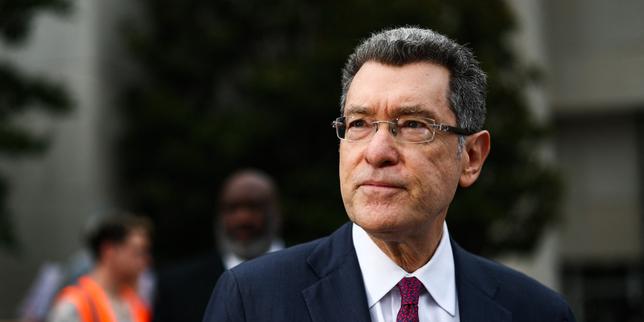
Lawyers and pro-democracy advocates aren't just sitting on the sidelines writing anxious op-eds. They are filing lawsuits, securing emergency injunctions, and blocking executive overreach in real time. At the center of this strategy stands Norman Eisen, a former ambassador and legal scholar who has become synonymous with the legal pushback against Donald Trump's administration. Don't miss our earlier post on this related article.
When people ask how American institutions have managed to weather repeated political earthquakes without completely fracturing, the answer usually points back to the courts. As Eisen puts it, the legal community has formed a crucial pro-democratic movement that has kept the Republic intact so far.
The Anatomy of Modern Legal Resistance
You can't fight executive overreach with good vibes and protest signs alone. You need standing, briefs, filings, and judges willing to apply constitutional limits. That's what organizations like Democracy Defenders Action and CREW do every single week. To read more about the background here, NPR provides an informative breakdown.
When the administration attempts to bypass congressional appropriations, slash civil service protections, or target public servants who followed the law, legal teams don't wait for permission to push back. They go straight to federal court.
Think about the sheer volume of litigation. Over two dozen major cases have been filed to challenge actions that cross the line from standard policy disagreements into constitutional violations. These aren't minor procedural disputes. They are fundamental tests of whether the executive branch is bound by the rule of law.
Why the Courts Remain the Ultimate Check
Skeptics love to point out that judges appointed by political figures will always rule in favor of their allies. Yet reality proves otherwise. Federal judges, regardless of who appointed them, repeatedly block actions that ignore statutory limits.
Federalism acts as a secondary shield. State attorneys general and local leaders step up when federal protections wobble, creating a multilayered defense system. It's messy, it's litigious, and it moves slower than the news cycle, but it works.
When executive orders attempt to freeze funds or retaliate against political opponents, injunctions arrive to slam the brakes. These legal victories remind everyone involved that the president is not a king.
Moving Past Despair Into Action
It's easy to fall into political nihilism. The daily firehose of breaking news makes everything feel hopeless. But looking at the legal resistance reveals a clear blueprint for civic survival.
You don't need to feel helpless just because political winds shift. Support the organizations holding the line. Follow the litigation that matters. Understand that institutional checks only hold because real people spend their careers defending them.
The Republic isn't saved by magic. It's saved by lawyers filing briefs, citizens showing up, and courts refusing to be intimidated.