Elections in Brazil rarely happen quietly. When Latin America's largest democracy heads to the polls, the rest of the world watches closely, but the current political showdown brings a different kind of tension. Accusations of foreign meddling are flying, driven by economic threats, shifting geopolitical alignments, and the rise of automated chatbots reshaping political discourse.
If you look past the standard diplomatic statements, you find a high-stakes collision between domestic survival and external pressure. Let's break down what's really happening behind the headlines.
The Economic Leverage Game
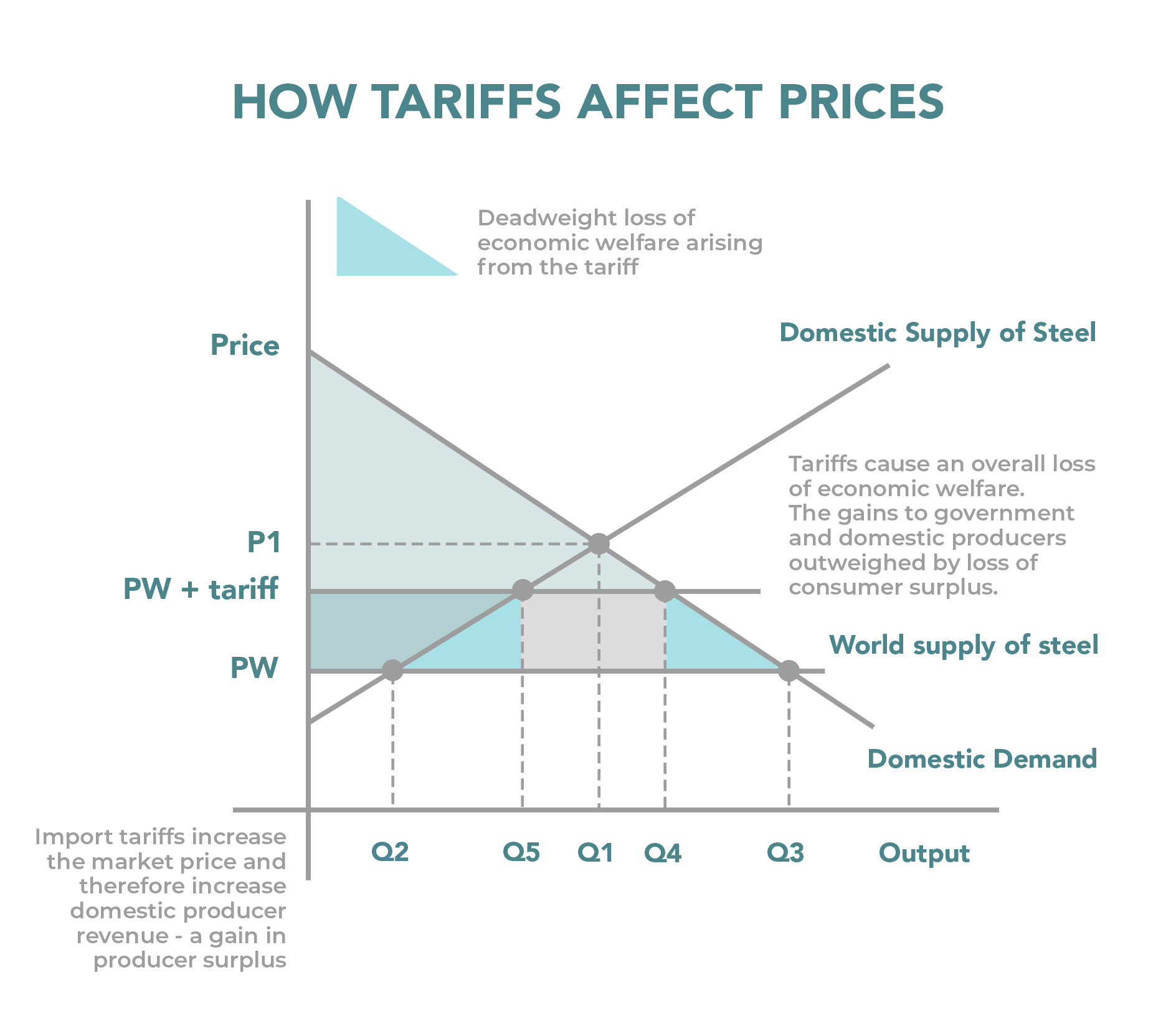
Economic policy is rarely neutral during an election cycle, and trade friction between Washington and Brasília has given plenty of ammunition to local political actors. Tariffs and economic friction act as subtle levers of influence. When foreign leaders comment publicly on domestic leadership or economic direction, it shifts the local media narrative overnight.
Incumbent Luiz Inácio Lula da Silva and his challengers find themselves navigating an electorate acutely sensitive to external economic pressure. Trade restrictions and protectionist measures hit Brazilian export sectors hard, giving opposition campaigns a ready-made talking point about international isolation. On the flip side, supporters of the current administration frame these economic headwinds as external interference designed to tilt the playing field toward conservative challengers.
It's a classic playbook. You don't need to stuff ballot boxes when you can use economic leverage to shape voter anxiety about inflation, currency stability, and international standing.
Chatbots and the New Era of Digital Influence
While tariffs provide the macroeconomic backdrop, generative artificial intelligence and conversational chatbots are rewriting the rules of the campaign trail on the ground. Brazil has quietly become one of the world's largest testing grounds for AI-driven political communication.
Millions of active users turn to conversational AI tools every week for news, summaries, and political context. Unfortunately, these systems aren't immune to bias, hallucination, or coordinated manipulation. Civil society organizations and independent watchdogs have flagged how automated tools can subtly rank candidates, spread unverified claims, or bypass content moderation filters altogether.
Meta and other major platforms faced intense scrutiny after civil rights groups demonstrated how easy it was to slip unverified, foreign-funded political advertisements past moderation filters. When automated systems handle millions of interactions a day without transparent guardrails, the boundary between organic political debate and external manipulation blurs completely.
The Superior Electoral Court (TSE) tried to enforce strict compliance plans, requiring platforms to label AI-generated content and block deepfakes. Yet the sheer speed of digital communication often outpaces judicial oversight. Platforms find themselves caught between aggressive local regulations and the chaotic reality of open-source models deployed from anywhere on the planet.
Moving Past the Panic
Accusations of foreign interference serve a very specific domestic purpose. They mobilize base voters, create a common external enemy, and distract from local policy failures. Yet dismissing every external comment or technological vulnerability as a grand conspiracy ignores the real structural weaknesses in modern digital governance.
Brazil's democratic institutions have proven remarkably resilient against direct attacks, weathering tight margins and fierce polarization between Lula and right-wing challenger Flávio Bolsonaro. But the real challenge isn't stopping a fictional foreign mastermind from hacking a voting machine. The real challenge is building institutional resilience against algorithmic opacity, economic coercion, and the relentless stream of automated disinformation that flows freely through everyday apps.
Keep an eye on how regulatory bodies adapt after the dust settles. The rules written in Brasília over the next few months will likely set the global standard for how democracies fight back against tech-enabled election interference.