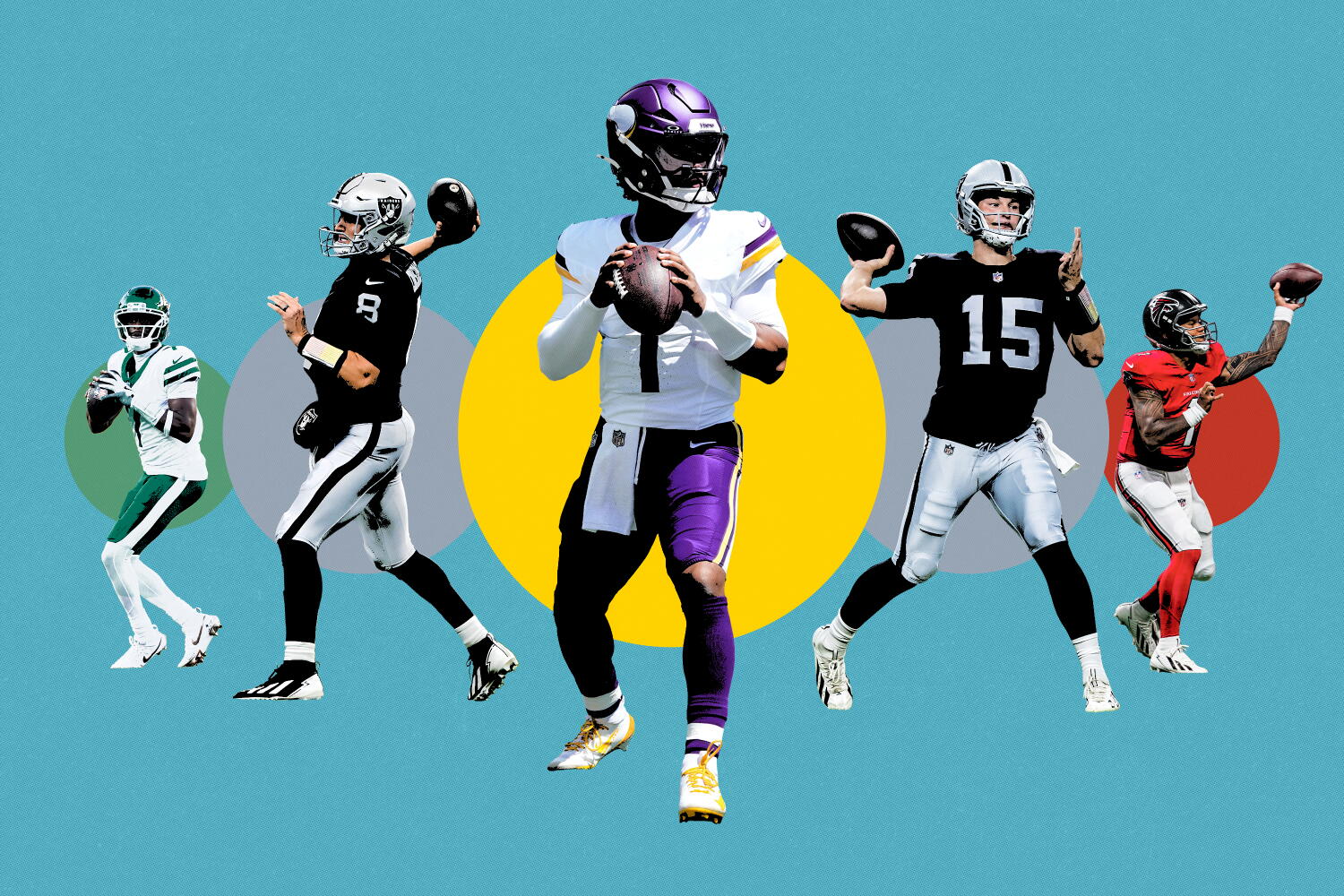
Every September, front offices across the league hold their collective breath. The football season opens with a chaotic quarterback landscape where teams either double down on unproven rookies or roll the dice on expensive veterans past their prime. If you look closely at how general managers manage the roster, you notice a massive split in philosophy. Some organizations bet everything on the draft board, hoping the next high draft pick solves a decade of losing. Others panic-trade for a journeyman or a disgruntled star, locking themselves into salary cap purgatory.
Honestly, watching front offices handle the position is exhausting. They misread talent windows constantly.
Let's break down why this yearly roster carousel breaks some teams and how the smart franchises navigate the chaos.
The Rookie Trap
Drafting a quarterback in the first round is basically buying a lottery ticket with your job security. Everyone wants the cheap rookie contract. You get five years of cost-controlled labor to build a powerhouse roster around a cheap savior.
It sounds brilliant on paper. In reality, it rarely works out cleanly.
Think about the sheer number of organizations that throw an eighteen-year-old talent onto a broken roster with a terrible offensive line and zero weapons. What happens? They get hit forty times in three months, develop happy feet, and lose all confidence by December.
You cannot fix organizational dysfunction by drafting a rookie. You only accelerate the firing timeline of the coaching staff.
When teams rely entirely on next-generation stars, they forget that development requires patience. Most fans want instant highlights. Front offices panic when a rookie throws three interceptions in week two and immediately start second-guessing their entire scouting department.
The Veteran Gamble
On the flip side, you have the franchises that refuse to draft and develop. They prefer renting a veteran quarterback who has already made multiple playoff appearances.
It feels safe. You know what you are getting, right?
Wrong.
Veteran gambles usually cost a fortune in draft capital and tie up huge chunks of the salary cap. When a thirty-five-year-old passer loses half a step on his deep ball, the entire offense grinds to a halt. You are left paying elite money for mid-tier production while your championship window slams shut.
Look at teams that trade multiple first-round picks for a proven name. They mortgage their entire future for two seasons of wild-card round losses. The financial burden makes it impossible to retain homegrown defensive stars or reliable offensive linemen.
Basically, you trade long-term stability for short-term media attention.
Finding the Sweet Spot
The franchises winning consistently right now do something completely different. They don't panic when they miss out on the top draft prospects. They build the infrastructure first.
You need a strong offensive line before you introduce a young passer to the professional speed of the game. You need reliable pass-catchers who can create separation before you evaluate whether your quarterback can read a zone coverage shell.
If your roster is empty, no quarterback in the world will save you.
Smart leadership looks at the market objectively. They acquire bridge veterans not as saviors, but as tutors. They let younger players sit behind experienced mentors instead of feeding them to the wolves in week one.
The yearly quarterback shuffle isn't slowing down. Next season will bring the exact same panic, the same overreactions on sports talk radio, and the same desperate trades.
Stop expecting a single player to fix a broken franchise. Evaluate the depth of the roster, watch how teams manage their cap space, and look past the hype of draft night. That is where the actual game is won or lost.