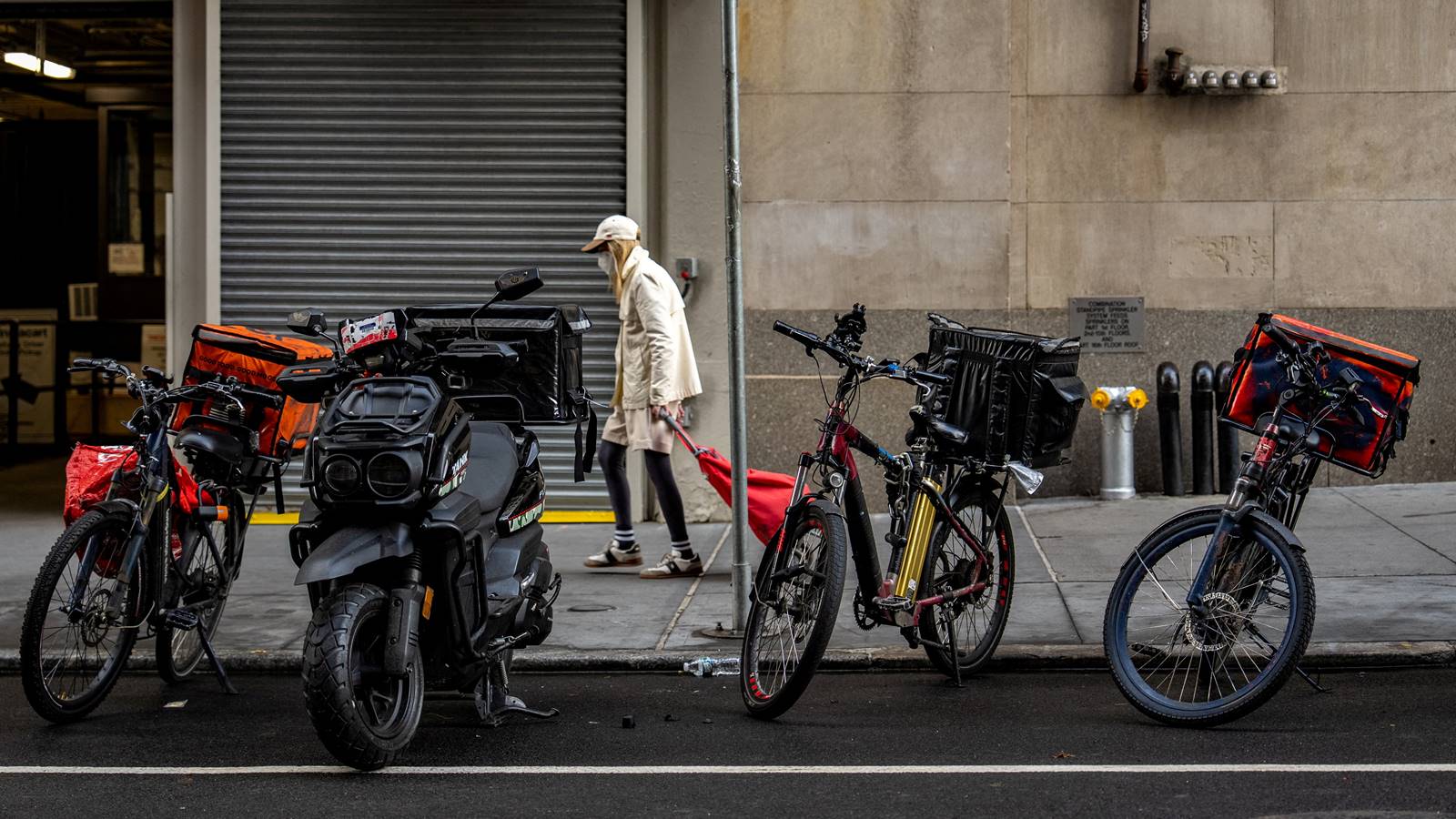
Ten people dead. Hundreds of fires. A city council scrambling for answers while living rooms burn down.
New York City is staring down a terrifying public safety crisis driven by exploding lithium-ion batteries. With fire incidents surging roughly 70 percent year-over-year, lawmakers are weighing severe restrictions. Proposed rules include criminalizing the possession of non-certified batteries and outright banning indoor residential charging.
It sounds decisive. It sounds protective. It is also completely disconnected from the economic reality of the people powering the city's delivery economy.
When you criminalize the tools of survival, you don't stop dangerous behavior. You just drive it underground.
The Real Cost of Cheap Energy
Let us be completely honest about why these fires happen. High-performance lithium-ion cells are expensive. Certified packs carrying UL (Underwriters Laboratories) safety marks cost hundreds of dollars.
For an independent food courier working on razor-thin margins, spending a week’s wages on a certified replacement battery feels impossible. So they buy cheap, uncertified alternatives online or from shady importers. They use modified chargers. They push aging equipment past its thermal limits.
The physics of these batteries are unforgiving. When a cheap or damaged lithium-ion cell suffers a thermal runaway event, it doesn't just catch fire—it erupts like a blowtorch. Traditional water extinguishers are useless. By the time smoke fills a narrow apartment hallway or a cramped tenement entryway, escape routes are gone.
City officials point to more than 400 battery-related fire incidents recorded by the FDNY this year alone. Each number represents a ruined home or a lost life. The emotional weight of these tragedies demands action. But banning indoor charging or threatening delivery workers with criminal charges creates an impossible choice: freeze your livelihood or risk your life.
Why Heavy-Handed Bans Will Fail
During recent emergency council hearings, friction emerged immediately between municipal safety officials and labor advocates.
Administration representatives warned that heavy crackdowns and device confiscations risk upending the livelihoods of thousands of low-income and immigrant workers who rely on e-bikes to survive. You cannot simply outlaw a working-class tool without offering a viable alternative. If delivery workers cannot charge their bikes at home, where do they go? Are there city-sponsored charging hubs waiting on every corner? No.
Punitive legislation treats the symptom while ignoring the disease. If you make possession a crime, couriers will simply hide their charging setups in even more dangerous, unventilated spaces.
What Actually Works
Solving this crisis requires infrastructure and financial support, not just panic-driven penalties.
- Subsidized Trade-Ins: The city previously experimented with battery trade-in programs to swap dangerous packs for certified ones. Programs like that need massive scaling, not quiet expiration.
- Public Charging Infrastructure: Delivery hubs, street lockers, and commercial spaces need safe, regulated outdoor charging stations where batteries can fail without trapping families in burning buildings.
- Targeting the Supply Chain: Stop penalizing the end user at the end of their rope. Crack down hard on online marketplaces and local distributors importing uncertified garbage into the country.
New York needs safer streets and safer homes. But writing laws that punish workers for trying to make rent will only push the danger further into the shadows.
Stop treating delivery workers as the enemy. Fix the supply chain, fund safe charging infrastructure, and make certified batteries affordable.
This video provides an overview of the ongoing crisis and legislative debates surrounding e-bike battery safety standards in New York.