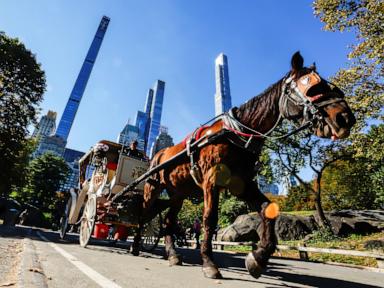
The romanticized image of clip-clamping through Central Park in an antique carriage is officially running out of road. New York City lawmakers just voted to pass Romanch's Law, setting a strict expiration date on a tradition that has sparked fierce debate for decades. By June 1, 2028, the city's iconic horse-drawn carriages will vanish from Manhattan streets entirely.
If you've spent any time dodging traffic near Columbus Circle or walking the perimeter of Central Park, you know this confrontation has been coming. Safety concerns, animal welfare arguments, and mounting public pressure finally forced the hand of the City Council.
Let's look at what's actually changing, how the city plans to handle the fallout, and why this historic shift matters now.
What Romanch's Law Changes for New York
The newly passed legislation doesn't just slap a fine on carriage operators or issue vague warnings. It systematically winds down the entire industry over a multi-year runway.
Under the terms of Romanch's Law, sponsored by Council Member Marte with backing from City Council Speaker Julie Menin and Mayor Zohran Mamdani, the mechanics of the ban are straightforward:
- No new horse-drawn carriage licenses will be issued starting immediately.
- Existing operators will face a phased reduction in license renewals.
- Operations will completely cease across the city by June 1, 2028.
For years, animal rights advocates pointed to dangerous traffic conditions, extreme weather exposure, and cramped stable environments as proof that urban carriage rides belong in the past. Cities like Philadelphia, Chicago, and Key West already pulled the plug on similar tourist traditions. New York is simply joining a growing consensus that heavy vehicular traffic and working carriage animals don't mix.
The Catalyst Behind the Vote
Traditions rarely die easily in Manhattan. It usually takes a tragedy to break decades of political gridlock.
The momentum for this final vote accelerated dramatically following a fatal accident last spring involving a teenage tourist. That incident re-ignited intense public outrage, pushing safety concerns past the tipping point. Polls showed that a strong majority of New York City voters favored banning the practice, leaving elected officials with little room to stall.
Critics of the industry have argued for years that forcing horses to navigate gridlocked avenues filled with aggressive taxis, delivery trucks, and electric bikes is an accident waiting to happen. When animals spook, the results can be catastrophic for pedestrians, passengers, and the horses themselves.
What Happens to the Horses and Workers
Banning an entire industry creates massive logistical ripples. You can't just wave a wand and make dozens of horses and workers disappear.
Romanch's Law includes specific provisions to address the aftermath. The legislation mandates that the remaining horses—historically numbering around 68 carriages worth of animals—must be safely retired to verified sanctuaries rather than dumped into auctions or unsafe situations.
At the same time, the city faces the challenge of workforce protection. Drivers and stable hands who built their livelihoods around the tourist trade are facing a harsh reality. The transition plan aims to offer support and re-employment pathways for affected workers, though skepticism remains high among union representatives and long-time operators who fear for their financial survival.
The Future of Central Park Tourism
Tourists love novelty. But the definition of what constitutes acceptable entertainment is shifting.
Electric-powered vintage-style replica cars are already stepping in to fill the sightseeing void in other major metropolitan areas. You can expect to see eco-friendly alternative transport options scale up rapidly around Central Park as the 2028 deadline approaches.
Change is messy, loud, and rarely pleases everyone. But the era of the Central Park carriage horse is drawing to a definitive close.
If you want to catch a glimpse of this century-old ritual before it becomes a museum exhibit, your window is closing fast. Plan your final strolls accordingly.