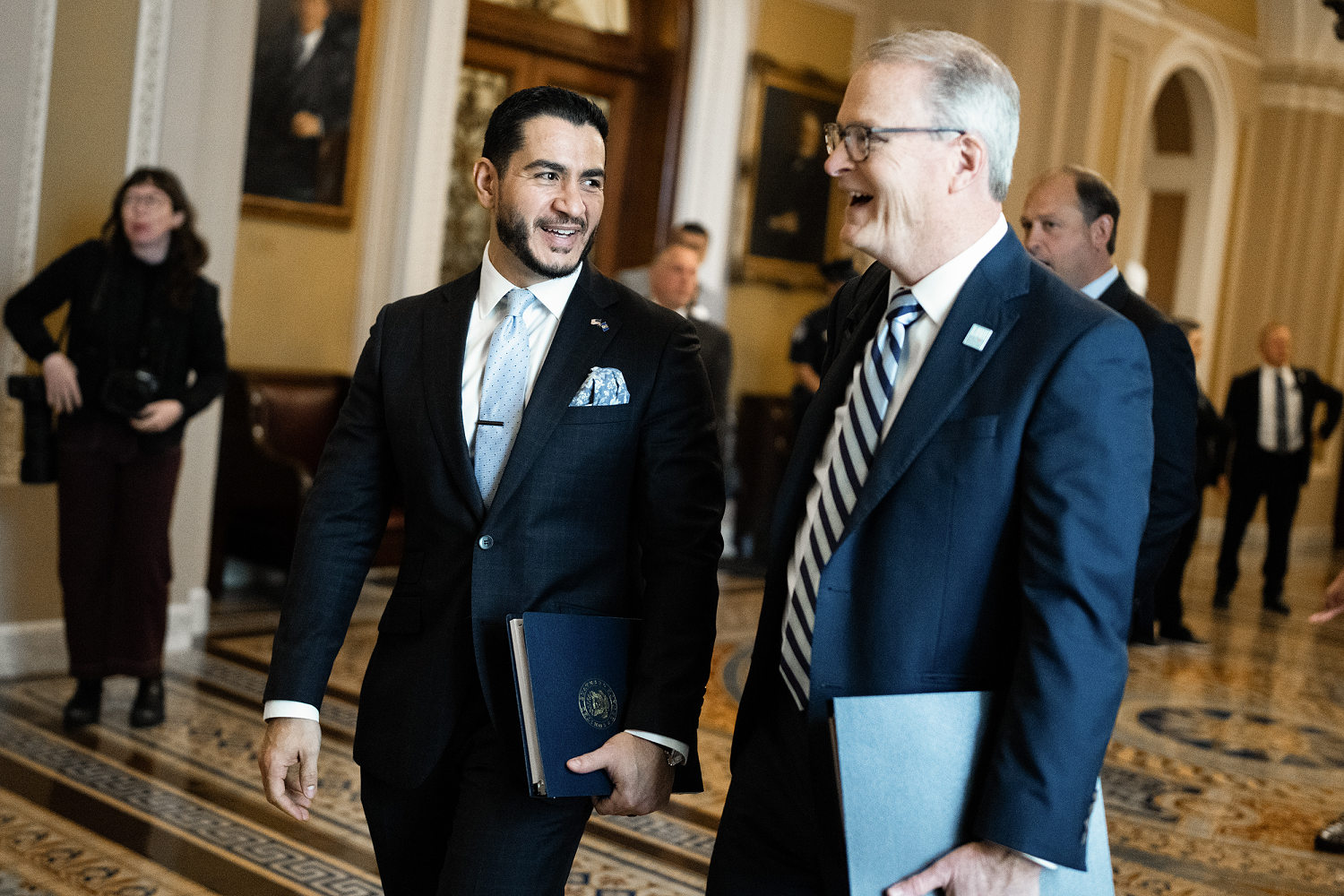
Freshman orientation in the United States Senate used to look like a polite, predictable senior-class field trip. Lawmakers-elect walked the marbled Capitol halls, posed for formal portraits, and quietly fell in line behind entrenched leadership. That script was completely rewritten as a massive incoming class of Democratic senators arrived in Washington. This isn't just a routine shift in the congressional roster. It's an infusion of raw energy, sharp generational friction, and a clear message to party bosses that the status quo isn't working anymore.
If you've been watching Capitol Hill, you know the old guard loves predictability. They want quiet foot soldiers who vote on cue and don't rock the boat. But this new cohort brings a totally different background to the table. We're talking about fresh faces like Michigan's Abdul El-Sayed, Texas's James Talarico, and seasoned political heavyweights like returning Ohio Senator Sherrod Brown mixing with insurgent energy. They aren't arriving in Washington with stars in their eyes. They're arriving with demands. Meanwhile, you can explore other events here: Why Myanmar Calls Asean Peace Review Unfair And What Happens Next.
The Real Power Dynamic Behind Closed Doors
Let's be honest about what's actually happening behind the scenes. While leadership elections are traditionally coronation ceremonies, this incoming freshman class has shaken up the standard playbook. Progressive voices within the caucus are openly questioning whether veteran leaders still speak for the grassroots. When senators-elect start talking about shaking up how the building operates before they've even unpacked their desk boxes, it catches everyone's attention.
You have figures like New Hampshire's Chris Pappas darting between outgoing House duties and incoming Senate responsibilities, realizing firsthand that voters sent them to Washington to disrupt deadlocks, not maintain them. They understand a brutal political truth: voters didn't give Democrats control of Congress just so they could rubber-stamp old policies. They want visible changes in how healthcare, housing, and economic inequality are tackled. To see the full picture, check out the detailed report by NBC News.
Why This Freshman Class Is Different
Past classes often tried to blend in for their first two years. They sat quietly in the back rows, absorbed committee assignments, and waited their turn to speak. This group skipped that memo entirely.
- Diverse Backgrounds: From frontline community health advocates to sharp legislative critics, they bring real-world problem-solving experience rather than just decades of cozy campaign fundraising.
- Zero Patience for Gridlock: Having watched congressional dysfunction grind progress to a halt for years, they're allergic to procedural excuses.
- Direct Digital Accountability: These lawmakers know how to mobilize online supporters directly, meaning they don't have to rely exclusively on party gatekeepers to get their message across.
What Happens When the Cameras Turn Off
The real test won't happen during the orientation selfies or the first day of floor speeches. It'll happen in closed-door committee rooms when veteran party bosses try to water down aggressive policy proposals. Leadership will preach patience and compromise. This new wave will likely push back, arguing that compromise for its own sake is why public trust in Congress hit historic lows.
If you're paying attention to the trajectory of American politics, this class represents either a massive revitalization or a turbulent internal civil war for the party. Either way, they aren't going to sit quietly in the back. Washington is about to find out just how loud a freshman class can be.
Democrats win the Senate, taking full control of Congress, NBC News projects
This video provides important context regarding the electoral shifts and majority wins that shaped the arrival of this new Senate class.