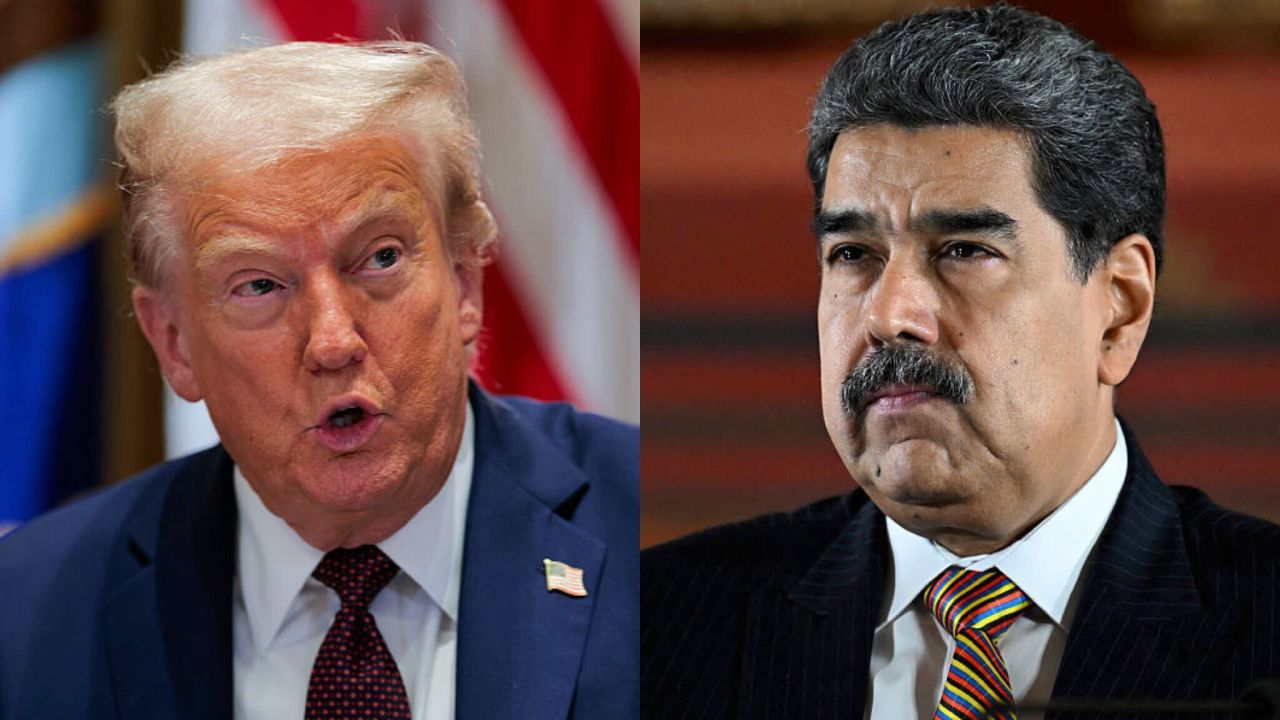
Donald Trump just announced an agreement that gives the United States influence over 65 billion barrels of Venezuelan oil reserves. That number sounds massive. It is. But headlines miss the brutal reality of how long it takes to turn locked petroleum underground into actual gasoline at your local pump.
If you own a car, you want cheap fuel tomorrow. This deal won't do that. Energy markets don't care about political handshakes until physical barrels start moving. Let's look at what is actually happening behind the scenes of this historic accord. If you found value in this post, you might want to look at: this related article.
The Reality Behind the Sixty-Five Billion Barrels
The agreement centers on 17 specific oil fields handed over under a 100-year concession to North American Blue Energy Partners (NABEP). Secretary of State Marco Rubio and Defense Secretary Pete Hegseth helped hammer out the framework alongside Venezuela's interim authorities. The U.S. government secures a 35 percent stake in the venture and holds rights to buy 20 percent of production at cost.
Owning rights on paper is entirely different from pumping crude. Decades of state mismanagement under Nicolás Maduro left Venezuela's infrastructure in shambles. Rigs rusted. Pipelines cracked. Upgrading facilities meant to process extra-heavy crude sitting in the Orinoco Belt need billions in total overhauls. For another angle on this event, see the latest coverage from Reuters Business.
You cannot simply turn a valve and flood the Gulf Coast with heavy Venezuelan crude. The refineries down there need specific technical upgrades to handle it. Private operators like Chevron know this better than anyone. They have been trying to scale output for years while battling logistics headaches and regulatory walls.
Why Domestic Oil Producers Are Frustrated
Not everyone in the energy sector is popping champagne. Independent U.S. oil executives are quietly fuming. Giving an exclusive block of 17 lucrative fields to one private entity leaves fewer opportunities for other firms wanting to stake their own claims.
When governments take equity positions in private energy ventures, market dynamics shift. Critics point out that state-backed entities enjoy perks competitors do not. Traditional oil entrepreneurs in Texas and Oklahoma look at these arrangements with heavy skepticism. They wonder if the government is picking corporate winners instead of letting free-market competition sort out who drills best.
There is also the matter of geopolitical risk. Contracts written in Caracas have a habit of shifting when political winds change. Building multi-billion-dollar infrastructure requires stability that Venezuela hasn't seen in generations.
Where the Price Relief Hopes Stand
Trump claims the deal will eventually slash gas prices and help refill a depleted Strategic Petroleum Reserve that dropped near multi-decade lows. Refilling that reserve makes total sense from a national security standpoint. America needs a buffer against foreign shocks.
Yet, independent commodity analysts urge caution. Production currently sits around 1.2 million barrels a day. Even optimistic targets from interim President Delcy Rodríguez point to pushing that number toward 1.5 million barrels. Moving past that ceiling takes years of heavy capital expenditures.
Expectations need a reality check. Pumping heavy crude out of South American swamps is slow, expensive work.
What Comes Next for Global Energy Markets
The geopolitical chess match is clear. Pushing American-led operations into Venezuela cuts out foreign competitors like Russia and China, who previously held footholds in these same fields. That creates a defensible supply chain right in the Western Hemisphere.
If you are tracking energy stocks or trying to figure out your fueling costs for next year, keep your eyes on actual export volumes, not press releases. Watch the infrastructure repair timelines. Watch whether NABEP can actually raise the private capital needed to revive those dead wells.
The strategy is bold. The execution will define North American energy markets for decades.
President Trump says Venezuela deal gives U.S. control of 65 billion barrels of oil
This video provides an overview of the historic announcement regarding U.S. control over Venezuelan oil reserves.