Washington is gearing up to roll out fresh import duties across 16 major trading partners after wrapping up a months-long investigation into excess factory capacity. If you import goods, run a supply chain, or watch global trade, this isn't just another headline. It's the next phase of a messy legal and economic tug-of-war that's been rewriting trade rules all year.
Look at the timing. In February 2026, the U.S. Supreme Court ruled 6-3 in Learning Resources, Inc. v. Trump that the International Emergency Economic Powers Act doesn't give the president unilateral tariff authority. That decision knocked out the sweeping "Liberation Day" tariffs and triggered massive refund payouts—over $100 billion paid back by U.S. Customs and Border Protection by late July out of more than $160 billion estimated collected under that law. Rather than backing down, the White House pivoted to narrower, statutory routes, launching Section 301 probes in March 2026 into structural excess manufacturing capacity across 16 economies. Discover more on a similar subject: this related article.
Now those findings are coming to a head. Let's break down what's actually happening, who's in the crosshairs, and what businesses and buyers should watch next.
http://googleusercontent.com/lmdx_content/DrmGlGOnOIFOYbAobHSkBzXMZvJyHdkcWAzrGOjuIWhtlziaJOfJSFZARwBMgqasXfPZojscquHIiSMSXOqqHAGWtNxfRiUKpEZCLoFQIQAQcImHeKLviMyBuftsvpEedrQYXuONNDaIfFhETx8159 Further reporting by Reuters Business highlights related views on the subject.
What New US Tariffs Actually Target
Unlike blanket emergency duties that hit nearly every import at once, these upcoming tariffs come out of Section 301 of the Trade Act of 1974. That statute lets the Office of the U.S. Trade Representative act when foreign policies or practices burden U.S. commerce.
Here's the core argument driving Washington's probe. Officials contend that subsidized industrial policies abroad have created structural overcapacity in sectors like steel, aluminum, electric vehicles, solar gear, appliances, machinery, plastics, and electronics. When factories crank out way more product than domestic buyers can absorb, excess supply spills onto global markets at cut-rate prices. U.S. trade officials argue that undercuts domestic plants and chills new U.S. investment.
There's a catch, though. Economists and trade lawyers point out that Section 301 takes time, public hearings, and factual records. It's slower and more targeted than emergency proclamations, and any new duties are expected to stack on top of existing tariffs rather than magically restore old sweeping rates overnight. Plus, under the law, discretionary Section 301 determinations carry a 12-month clock from initiation—meaning the outer statutory deadline runs into March 2027 even as initial findings roll out now.
Which 16 Economies Are Named in the Probe
Washington's excess-capacity review sweeps in a much wider group than casual trade watchers assume. It doesn't just single out Beijing.
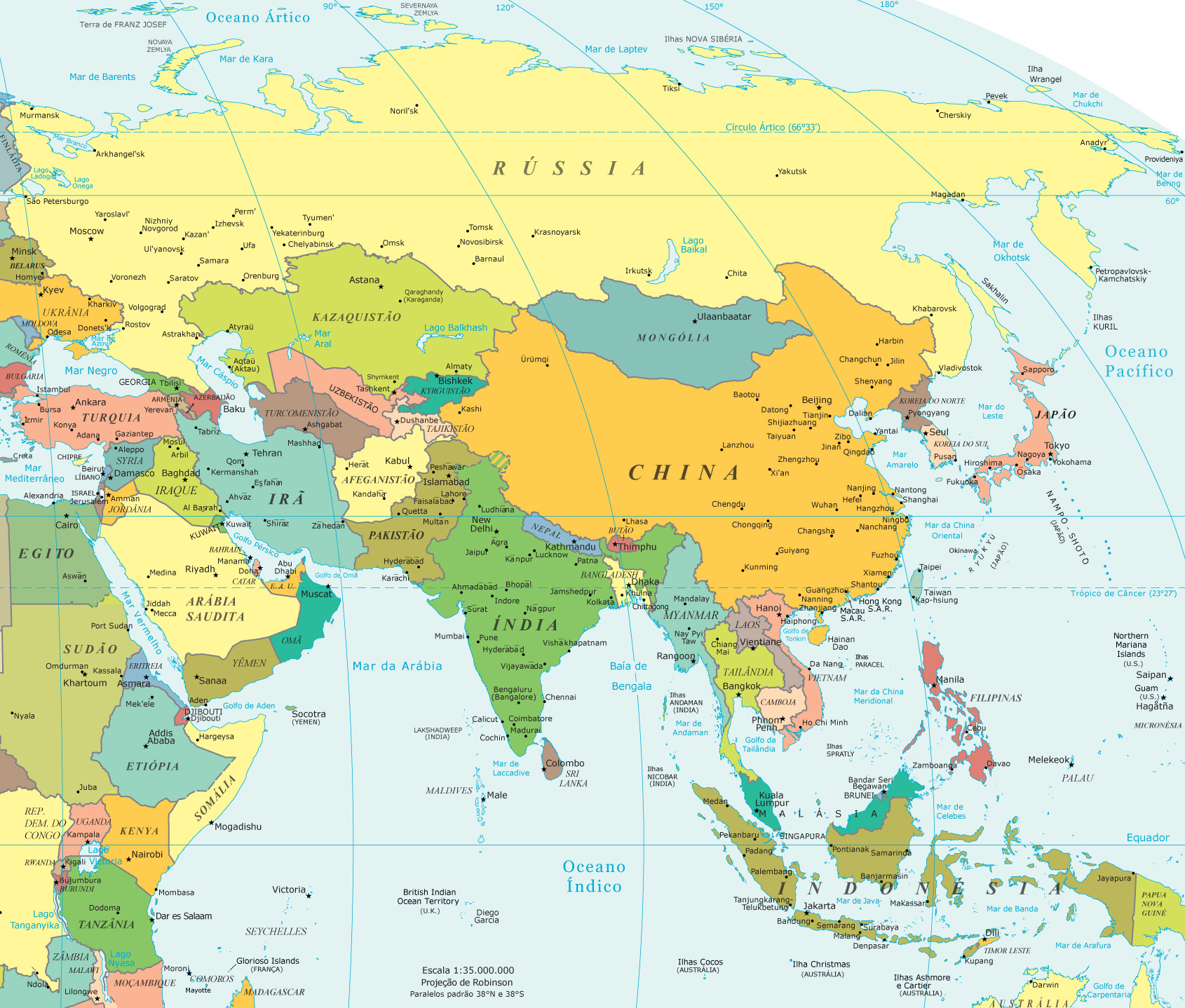
The 16 investigated economies include China, the European Union, India, Japan, South Korea, Mexico, Vietnam, Taiwan, Thailand, Malaysia, Indonesia, Switzerland, Norway, Singapore, Bangladesh, and Cambodia.
Why include close allies and Asian manufacturing hubs alongside China? Because supply chains have shifted. When companies move assembly out of China into Southeast Asia or Mexico to dodge earlier duties, trade flows and overcapacity concerns often follow those supply networks. Even economies with strong trade ties or specific export surpluses in machinery, autos, chemicals, or electronics get pulled into the magnifying glass.
How We Got Here After the Supreme Court Ruling
You can't make sense of November's tariff push without looking back at February 2026. For months, businesses wrestled with whiplash as courts first blocked emergency tariffs, appeals courts weighed in, and the Supreme Court issued its landmark decision.
Once the Court held that emergency sanctions law didn't authorize unilateral tariffs, the administration scrambled to rebuild its tariff wall using other tools. That included temporary surcharges under Section 122—which ran for 150 days before expiring in July 2026—alongside existing Section 232 duties on steel, aluminum, and autos, plus fresh Section 232 and Section 301 investigations.
Honestly, that pivot explains why compliance teams are exhausted. In my experience working with importers and supply chain operators, the hardest part isn't just paying a higher percentage at the border. It's not knowing whether a landed-cost calculation from Tuesday will still hold up by Friday. Large multinationals can afford customs lawyers, bonded warehouses, and rapid sourcing shifts. Smaller importers often get squeezed right away.
The Hidden Cost of Tariff Whiplash
Tariffs don't just raise prices at checkout. They create friction everywhere in between.
- Working capital gets tied up: Paying duties upfront—and then waiting months for refund processes after court rulings—strains cash flow.
- Pricing contracts break down: Fixed-price quotes to retail or industrial buyers erode fast when import costs jump mid-quarter.
- Sourcing gets messy: Jumping from one country to another can trigger new origin rules, audit scrutiny, or capacity bottlenecks elsewhere.
Data from groups like the Tax Foundation has highlighted how big the revenue swing was after the Supreme Court struck down the emergency tariffs, wiping out a huge chunk of projected collections while leaving ongoing litigation and refund mechanics in play. Meanwhile, public polling—such as a post-midterm Reuters/Ipsos survey—has shown substantial voter pushback when tariffs contribute to higher consumer prices.
Why Experts Disagree on What Happens Next
Trade policy rarely has a neat consensus, and this round is no exception. Supporters of tougher tariffs argue that foreign industrial subsidies distort global competition and hollow out domestic factory towns. If a rival government bankrolls steel mills, solar plants, or EV makers so they can sell below true cost, they say tariffs are a necessary shield.
Critics push back just as hard. Many economists warn that broad import taxes act like a tax on U.S. manufacturers that buy foreign inputs, as well as on everyday households. Retaliation is another real risk. When Washington raises duties on key exports or industrial goods, trading partners often respond with counter-tariffs, licensing hurdles, or diplomatic friction—especially when trade truces or broader negotiations are already tense.
There's also a legal angle worth watching. Every time the executive branch leans on an older trade statute to impose sweeping or aggressive duties, challengers test the boundaries of presidential authority. Even if new Section 301 tariffs roll out as planned, courts and trading partners will scrutinize how far the rules stretch.
Practical Next Steps If Tariffs Hit Your Business or Budget
Waiting for the final press release before doing anything is a rookie mistake. If your business touches cross-border trade—or if you're planning major purchases—take concrete steps now.
- Audit your Harmonized Tariff Schedule codes and country of origin: Make sure every SKU you import has an accurate classification and documented origin trail. Don't guess; small classification errors get expensive fast when duty rates climb.
- Model stacked duty scenarios: Check how any proposed Section 301 tariff would stack on top of existing duties or trade-agreement terms rather than assuming a clean swap. Build best-case, base-case, and high-duty margin scenarios.
- Talk to suppliers before capacity tightens: If you're eyeing alternative suppliers across the 16 listed economies or elsewhere, ask about lead times, minimum order quantities, and price-adjustment clauses before everyone rushes for the same exit door.
- Track refund and compliance records tightly: If your company ever paid earlier contested tariffs, keep clean customs entry records and monitor U.S. Customs and Border Protection updates so you don't miss administrative deadlines or payout phases.
- Time big-ticket buys carefully: For personal or small-business buyers watching electronics, appliances, vehicles, or home goods, compare current retail pricing against seasonal sales rather than banking on sudden price drops.
Trade rules are shifting fast, and targeted tariffs across 16 economies mean the details—not just the headline—will decide who wins and who pays more.