Trade wars rarely end with a clean handshake. They drag on, inflict economic damage, and make a sudden reappearance right when politicians need a win.
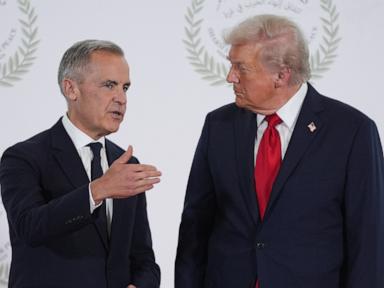
Canadian Prime Minister Mark Carney just announced progress in stalled bilateral trade talks with U.S. President Donald Trump. Coming just days before the high-stakes U.S. midterms, this timing raises eyebrows. Both leaders are spinning the conversation to fit their domestic narratives. Don't let the sudden optimism fool you. A framework concept isn't a signed agreement, and the underlying friction hasn't vanished.
The Reality Behind the Timing
Let's look at why this announcement is happening now. The U.S. midterms are days away. Republican candidates face tough races where inflation, supply chain strains, and economic instability weigh heavily on voters. Trump needs to project economic control and deal-making prowess. Announcing that Canada is coming back to the table provides a convenient headline.
Carney faces his own political pressures. Canada's export-driven economy took a massive hit after formal negotiations collapsed in August. Washington's steep tariffs on billions of dollars in Canadian goods—met immediately by Ottawa's retaliatory duties—have battered manufacturing sectors, particularly automakers and cross-border suppliers.
When Carney stated that their teams would work over the coming weeks to craft a deal protecting jobs, costs, and Canadian sovereignty, he was buying breathing room. But acknowledging the "concept" of a deal is a far cry from resolving the structural poison pills that killed negotiations in the first place.
What Actually Broke the Talks in August
To understand why this new optimism should be taken with skepticism, look at why the previous negotiations imploded. This wasn't just a minor disagreement over numbers.
The breakdown happened because the U.S. side introduced aggressive last-minute demands:
- Restrictions targeting Canada's independent trade agreements with other global partners.
- Demands to water down French language protections and cultural exemptions.
- Refusal to extend tariff exemptions to medium and heavy-duty vehicles, hammering the Canadian auto industry.
Carney walked away then because folding on those points would have gutted Canadian economic sovereignty. Unless Washington quietly dropped those demands during Sunday's phone call, the core dispute remains untouched. Trump's rally remarks in Iowa bragging about being "very close to having a deal" because the U.S. has been "losing money for many years with Canada" show that the American posture on trade deficits hasn't shifted an inch.
Why Markets and Businesses Should Stay Cautious
If you're running a cross-border business or managing investments in North American supply chains, stop planning around election-cycle announcements. Political posturing ahead of a Tuesday vote creates massive short-term volatility, but it rarely translates into durable policy stability.
Carney knows that Trump's overarching trade philosophy won't change regardless of who controls Congress next week. That's precisely why Ottawa has actively pursued trade diversification, hosting European Union officials in Montreal to reduce reliance on an unpredictable southern neighbor.
Treat these latest updates as political theater with a thin veneer of economic progress. Until text is finalized, exemptions are carved into law, and retaliatory tariffs are formally rescinded, your operational strategy shouldn't change. Keep your supply chains flexible and prepare for the talks to stall again the moment the ballots are counted.


