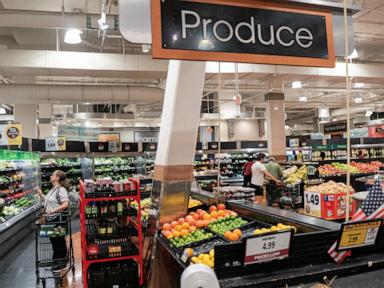
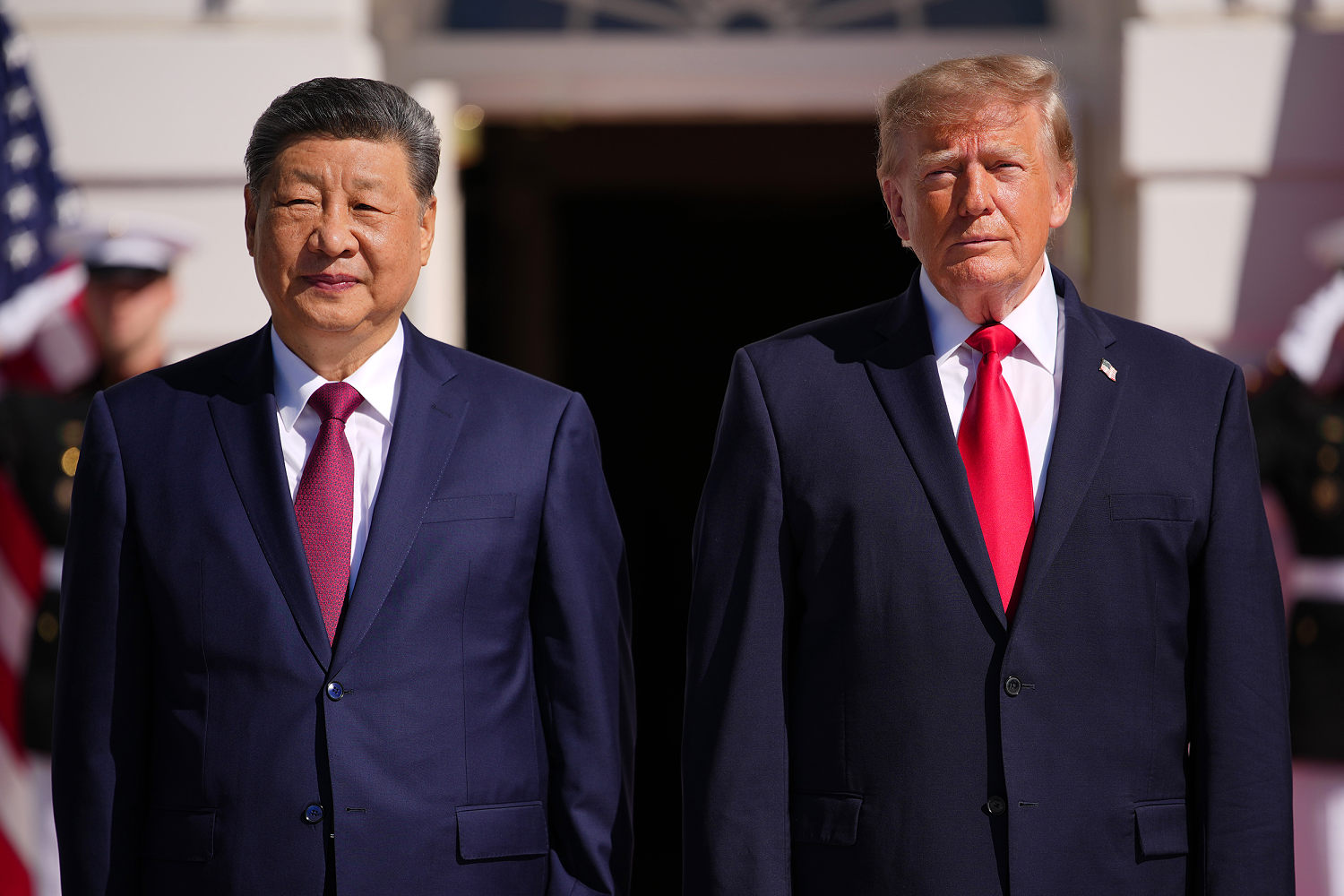
Washington just dropped a fresh round of proposed tariffs on 14 trading partners, including China, the European Union, and Japan, right before Thanksgiving. At first glance, a 15% cap for the EU or a 20% rate on most Chinese goods sounds almost restrained compared to the wild tariff swings of the past two years.
Don't fall for that calm surface.
These duties come out of a Section 301 investigation into "structural excess manufacturing capacity" that U.S. Trade Representative Jamieson Greer launched in March—shortly after the Supreme Court struck down the administration's earlier sweeping tariffs in February. Instead of slapping one giant blanket tax on the whole world and praying it sticks, Washington is using a sharper, more legalistic tool to target factories abroad that it accuses of overbuilding with state help and flooding global markets.
If you run a supply chain, invest in equities, or just wonder why everyday prices keep creeping up, you need to look past the headline percentages. The real story is how these rules stack, where the exemptions sit, and how much political heat the administration is taking after the November midterm elections.
What Washington Actually Proposed on New Tariffs
The USTR's findings cover 14 economies out of 16 originally investigated. Mexico and Norway were held back for further review, while China, the EU, Japan, South Korea, Taiwan, India, Vietnam, and several Southeast Asian and South Asian nations landed on the action list.
For most goods from China, the proposed rate sits at 20%, with lower rates on select items and a carve-out for roughly $30 billion in consumer products tied to bilateral trade discussions. That 20% figure sits on top of earlier Section 301 duties from Trump's first term—meaning certain Chinese products could face combined rates pushing toward 45%—though officials note the proposal is calibrated to stay inside the current U.S.-China trade truce that runs until January 10. If talks break down or commitments slip, Washington has flagged a jump up to 40% on the new track.
Over in Europe and Asia, the numbers look different because existing trade deals put ceilings on how high the U.S. can go. The EU, Japan, South Korea, Taiwan, and Switzerland face caps around 15% (net of standard most-favored-nation duties). Vietnam faces up to 20% if a trade deal is wrapped up, or potentially 35% without one, while other partners sit in the 10% to 25% range depending on product and agreement status. Separately, the administration proposed a 10% tariff on finished Brazilian aircraft—a direct shot at Embraer—alongside higher duties on out-of-quota Brazilian sugar.
Nothing takes effect tomorrow. Public comments are open until January 5, 2027, with hearings scheduled starting January 25, putting actual implementation into next year at the earliest.
Why "Excess Capacity" Became the Favorite Argument
When you've watched trade policy for years, you notice how the rationale shifts to survive court challenges and diplomatic pushback. After the Supreme Court knocked down the broad emergency tariffs in February, Section 301 gave the administration a sturdier statutory hook.
The core argument is straightforward. Trade lawyer Ryan Majerus put his finger on the mechanics when he noted that factories built with heavy excess capacity often keep running even when real demand cools, depressing prices globally and hollowing out domestic producers. In its notice, the USTR pointed to sectors like steel, aluminum, electric vehicles, batteries, solar gear, appliances, chemicals, cement, and processed food, while calling out unprofitable automakers in China and Japan and large goods surpluses in Germany and Ireland.
Beijing isn't buying it for a second. Foreign Ministry spokesperson Guo Jiakun called the overcapacity narrative a false premise used for political leverage, while still stopping short of an immediate retaliatory blowup. Honestly, that tension captures the whole balancing act right now: officials want to keep pressure on subsidized industrial output without blowing up the truce ahead of next month's G20 gathering in Florida.
There's a legitimate debate here, too. Supporters argue that without firm pushback, state-backed overproduction eventually crushes competing plants in the U.S. and allied economies. Critics counter that tariffs act like a tax on domestic buyers and supply chains, especially when consumer inflation is already running hot—the Bureau of Economic Analysis reported consumer prices up an annualized 3.8% in October, the highest since May and well above the Federal Reserve's 2% target.
The Anti-Stacking Rule Matters More Than You Think
Here's a detail plenty of headlines gloss over because it sounds dry until you calculate landed costs. These new Section 301 excess-capacity duties are not supposed to stack on top of separate sector tariffs for autos, steel, and aluminum, nor stack on top of the 10% or 12.5% forced-labor tariffs imposed on 60 economies back in July. Instead, where overlap happens, the higher applicable duty generally governs rather than piling one penalty on top of another.
That's good news if your business already pays steep sector-specific duties on steel or vehicles. Still, it doesn't mean your costs stay flat. If your product falls under a general tariff line that was previously lower—or sits right on the edge of an annex exemption—your effective duty can still climb.
In my experience watching importers scramble after tariff announcements, the biggest mistake isn't misreading the headline rate. It's assuming your Harmonized Tariff Schedule classification is safe because a competitor told you their goods were exempt. Subtle wording differences in product annexes and country-of-origin rules decide who pays and who gets relief.
Politics, Voters, and Market Jitters
Timing makes this rollout even spicier. The proposal landed the day before Thanksgiving, just weeks after voters handed Democrats majorities in both the House and the Senate in the November midterms.
Polling after the election showed real voter frustration over the cost of living and trade taxes. About two-thirds of voters in The AP Voter Poll said Trump's policies had made the economy worse, and a post-election Reuters/Ipsos poll found 62% backing efforts to repeal the administration's tariffs. Lawmakers on Capitol Hill are already talking about forcing congressional approval for future duties, even as the administration insists tariffs will eventually bring factory jobs back and trim deficits.
Markets didn't wait around to debate the theory. Global equities dipped and Nasdaq futures slid alongside broader tech and AI nerves and hotter inflation data. Trade representative Greer argued that much of the move was already anticipated by trading partners and wouldn't shock the global economy, yet traders clearly treat any fresh tariff expansion as another drag on margins and growth.
Practical Next Steps Before January Hits
Because these duties aren't final yet, you actually have a window to prepare instead of reacting blindly once customs notices land. Here is what makes sense to do right now:
- Audit your exact HTS codes and country-of-origin trail. Pull your top 20 imported SKUs, verify their current duty rates, and check whether any of them touch the sectors flagged by the USTR—like metals, EVs, batteries, solar, appliances, chemicals, or processed foods. Don't rely on old supplier invoices; confirm origin documentation yourself.
- Check for anti-stacking and annex exclusions. Map out which items already face steel, aluminum, auto, or July forced-labor tariffs so you don't double-count exposure, and watch the Federal Register notice for specific product exemptions, including the bilateral consumer-goods list.
- Model a "truce holds vs. truce breaks" scenario. If you source from China or Vietnam, run margin math under both the baseline proposed cap and a sharper escalation scenario around January 10, when the U.S.-China trade truce is set to expire.
- Decide whether to submit public comments. With written comments and hearing requests due by January 5, 2027, companies or trade groups facing severe supply-chain bottlenecks have a concrete channel to put real cost data on the official record.
- Lock in supplier flexibility early. Talk with manufacturers about split sourcing, inventory buffers, or contract pricing clauses before Q1 shipping schedules tighten up around the comment and hearing calendar.