Campaigning as a Washington outsider is easy. Casting the first leadership vote before you even take the oath of office is a whole different beast.
Just weeks after Democrats swept back into the Senate majority in November 2026, incoming senators are already confronting a sharp internal test. Sen. Chuck Schumer, who has led Senate Democrats since 2017, faces an unexpected challenge for Senate Majority Leader from Sen. Chris Van Hollen of Maryland. With the caucus leadership vote slated for December 1, 2026, freshmen who ran on shaking up business as usual suddenly have to decide whether "change" means backing a challenger, demanding reforms from the inside, or sticking with the veteran strategist who helped deliver the majority.
Anyone watching Capitol Hill closely knows this tension was brewing long before Election Day. Sweeping midterm victories give a party power, yet they rarely settle what kind of power a party wants to wield. Right now, the Senate Democratic leadership vote is turning big campaign slogans into real-world choices—and exposing real fault lines inside the incoming class.
How the Senate Leadership Fight Caught Newcomers in the Middle
Freshmen often arrive in Washington convinced they have a clean mandate to disrupt old habits. On Capitol Hill, though, leadership elections happen fast—usually before newcomers have even set up their permanent offices or figured out where half the committee rooms are.
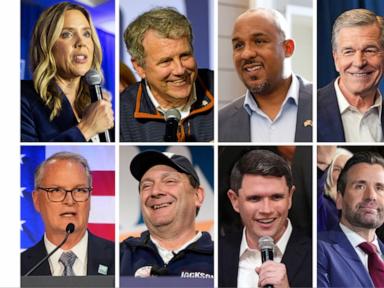
South Carolina Sen.-elect Annie Andrews ran on "generational change" as a 46-year-old pediatrician who became the first Democrat in nearly three decades to win a Senate race there. She has said she will not support Schumer, yet she has also pushed back against policies Van Hollen champions, such as Medicare for All. Rather than rushing into Van Hollen's camp, Andrews has pointed to the incoming freshman class itself as the vehicle for generational change.
Other newly elected senators are weighing the same push-and-pull between disruption and pragmatism:
- Texas Sen.-elect James Talarico called for "new blood" to fix a broken political system, yet stopped short of writing off Schumer right after the election, saying he would meet with contenders and ask tough questions.
- Iowa Sen.-elect Josh Turek has emphasized meeting with both Schumer and Van Hollen to see whose answers match the "common sense, prairie populist agenda" he campaigned on for 18 months.
- Alaska Sen.-elect Mary Peltola, whose race was called later in November, told the Associated Press shortly afterward that she hadn't yet focused on the leadership contest.
- Maine Sen.-elect Troy Jackson, a progressive, has ruled out backing Schumer without immediately committing to Van Hollen.
Meanwhile, Michigan Sen.-elect Abdul El-Sayed and Minnesota Sen.-elect Peggy Flanagan have stepped up as staunch backers of Van Hollen. Notice how varied that freshman map is. "Change" doesn't mean one single ideology. For some voters, it meant populist kitchen-table economics; for others, it meant confronting the president harder or breaking with long-tenured party norms.
Why Schumer and Van Hollen Represent Competing Visions
On paper, a contested race at the top of the Senate Democratic caucus is a rare sight—the first contested Democratic floor leader election in the Senate since 1994, and the first challenge to a sitting leader since 1984. In practice, it's a clash over strategy, foreign policy, and how the party runs its own primaries.
Schumer brings deep institutional muscle, a long track record at the helm since 2017, and the argument that Democrats just reclaimed the majority under his watch. Supporters like Sen. John Hickenlooper of Colorado have noted you can't argue with the fact that Democrats won the majority, while Schumer has expressed confidence he already holds the votes needed to win.
Van Hollen is pitching a sharper break. He has called for a more confrontational posture toward President Donald Trump, an ambitious economic agenda, changes to how the party operates in primaries, and a shift away from massive omnibus bills toward more piecemeal legislation. Foreign policy is another flashpoint: Van Hollen supports restrictions on offensive weapons transfers to Israel, an issue that has become a major test for Democratic voters and divides the party.
There's also a history lesson hanging over several of these races. As Senate campaign leader, Schumer backed alternative candidates during the primaries in races involving incoming senators like El-Sayed, Flanagan, and Jackson before supporting them once they won their nominations. If you're a newcomer who beat a leadership-favored primary rival, that history isn't easy to ignore—even if you still care about committee assignments and legislative clout.
What Most People Miss About Senate Leadership Votes
People outside Washington often treat a leadership vote like a simple loyalty test: you're either "establishment" or "anti-establishment." Honestly, it's rarely that tidy.
First, a leadership vote isn't the only way to force change. Even if a challenger falls short—and several insiders view an upset as an uphill climb—contests alone can force incumbents to talk about floor process, caucus voices, and how legislation gets written. Sen. Mazie Hirono of Hawaii has urged the caucus to embrace newcomers who "have been through fire to get here" and make sure their voices are heard.
Second, ambition beyond the Senate shapes the math. The fight isn't just about freshmen. Sen. Jon Ossoff of Georgia, fresh off reelection in a battleground state and floated as a potential 2028 presidential contender, has kept his options open while listening to the candidates. Sen. Elissa Slotkin of Michigan, also mentioned in 2028 presidential talk, announced she is backing Van Hollen after previously saying she wouldn't support Schumer—even though she is a moderate who disagrees with some of Van Hollen's progressive positions. That shows how anti-incumbent sentiment can cross ideological lines when lawmakers want a reset.
Third, campaign rhetoric meets governing math. In a closely divided Senate, every vote matters on judges, budgets, and oversight. A newcomer might campaign as a pure outsider, then realize once in office that passing bills or moving priorities through committees requires coalition-building across moderates and progressives alike.
What to Watch Before December 1
If you're following how this story plays out, don't get distracted by cable-news posturing alone. Pay attention to a few concrete signals over the next stretch:
- Public vs. private vote counts: Leadership votes are taken by secret ballot within the party caucus, meaning public endorsements only tell part of the story. Watch whether more undecided senators declare publicly or stay quiet until the vote.
- Policy concessions on floor process: Look at whether Schumer addresses complaints about omnibus bills, primary involvement, or freshman input—even if he doesn't adopt every progressive policy demand.
- Down-ballot leadership races: Keep an eye on related caucus posts, such as majority whip and policy committee roles, which often reveal how different wings of the party are trading influence.
For voters who sent new faces to Washington expecting something different, this early vote is a useful reality check. Change in the Senate doesn't happen by press release. It happens vote by vote, starting before the gavel even falls on the new session.