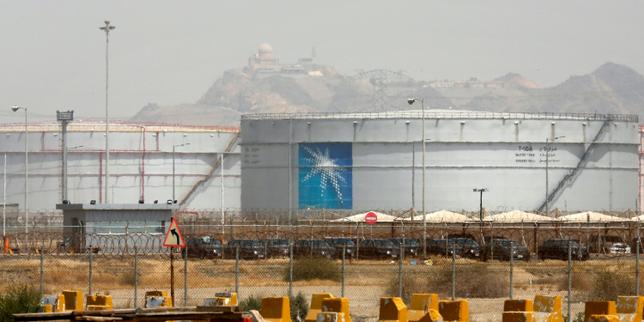
The latest agreement from seven key OPEP+ members to boost crude oil production by 188,000 barils par jour for September might look like relief on paper, but reality on the ground tells a completely different story. If you are expecting cheaper petrol at the pump anytime soon, you're barking up the wrong tree.
Let us break down why this announcement—finalized on August 2, 2026—fails to fix the deeper structural cracks plaguing global energy markets right now.
The Middle East Conflict Keeps the Chokehold on Supply
Geopolitics rarely play nice with economic forecasts. While Saudi Arabia, Russia, Iraq, Koweït, Kazakhstan, Algeria, and Oman agreed to another minor monthly ramp-up of 188,000 barrels per day, the enduring conflict in the Middle East makes actual delivery a nightmare.
The Strait of Hormuz remains a massive chokepoint. When regional tensions flare up, tankers struggle to navigate safely, choking off export volumes regardless of what quotas say on paper.
Analysts at firms like UBS and Rystad Energy have pointed out a harsh truth. Cartel members can raise official quotas all they want, but many lack the actual physical capacity to pump extra crude due to infrastructural strains and prolonged underinvestment.
Behind the Numbers: Why September Quotas Are Mostly Symbolic
Let us look at how the cartel operates behind closed doors. Between late 2022 and 2023, the organization slashed millions of barrels per day to rescue sliding prices. Starting in 2025, they shifted gears to slowly inject barrels back into the market.
Yet, this constant drip-feed of 188,000 daily barrels is basically a drop in the ocean compared to global consumption demands.
- Quotas keep ticking upward month after month.
- Physical export bottlenecks neutralize the gains.
- Regional blockades override official agreements.
Market watchers expected a pause in production adjustments heading into the final quarter of the year. Instead, the alliance pushed forward with September increases, leaving traders scratching their heads about what the winter months will bring.
What This Means for Your Wallet
Do not hold your breath waiting for relief at filling stations. When crude benchmarks react to persistent supply threats in the Gulf, refining margins and distribution costs keep consumer prices stubbornly high.
If you run a business relying on logistics or transport fleets, budgeting based on these nominal OPEP+ quota adjustments is a losing game. Treat official output targets with heavy skepticism. Watch the actual tanker traffic through the Persian Gulf instead of the press releases coming out of Vienna.