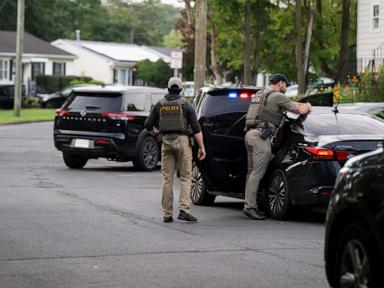
High-stakes enforcement on America's roads just changed. Immigration and Customs Enforcement recently issued a strict directive detailing new boundaries for federal officers executing vehicle stops. If you've been following recent headlines about chaotic encounters and fatal traffic stops in places like Texas and Maine, this shift isn't surprising. But the operational reality on the ground is far more nuanced than a simple press release suggests.
Let's look at what's really driving this policy update and how it changes daily operations for federal personnel.
The Breaking Point Behind the Memo
Federal agents aren't traditional beat cops. Yet, for years, ICE personnel routinely initiated traffic interventions without the specialized vehicular tactics training standard in municipal highway patrols. That mismatch turned deadly in multiple high-profile incidents.
Consider the recent shooting in Austin, Texas, where an immigration officer fired on a DoorDash driver during a chaotic encounter, or earlier tragedies in Houston and Biddeford, Maine. These aren't abstract policy debates. They're violent, split-second flashpoints that left civilians dead, officers wounded, and political pressure boiling over in Washington.
When things go wrong on a highway, they go wrong fast. Leadership had to respond.
What the New Guidelines Actually Require
The fresh memo doesn't ban vehicle stops entirely—despite what some early rumors claimed. Instead, it introduces rigid operational guardrails designed to curb rogue or poorly coordinated tactics.
Training Prerequisites
Under the updated policy, officers can no longer just pull someone over on a whim. Only personnel who have successfully completed one of five approved agency training courses are permitted to initiate a traffic stop as the driver of the trailing vehicle. Unqualified agents can still ride along in a support capacity, but they're banned from taking the wheel during an intervention.
Equipment and Tactics Mandates
Chaos breeds error. To combat this, the directive places hard limits on aggressive physical maneuvers:
- Vehicle Pinning: Trapping or blocking a target car using physical barriers or federal vehicles is now restricted exclusively to officers who have received specialized training.
- Spike Strips: Deploying tire-deflation devices requires specific authorization and training.
- Emergency Lighting: Vehicles used for stops must feature active lights and sirens clearly identifying them as law enforcement.
- Body Cameras: Every officer on the scene must wear and activate a body-worn camera.
High-speed pursuits are also heavily restricted, prioritizing public safety over immediate apprehension.
Why This Matters for Enforcement Strategy
Critics on both sides of the political aisle are weighing in. Immigration hawks worry that new red tape will slow down enforcement operations and let targets slip away. Civil rights advocates point out that federal officers shouldn't be playing highway patrol in the first place, arguing the changes don't go far enough to protect motorists.
The truth lies in the operational friction. ICE field office directors now face a tougher administrative hurdle. They have to verify officer certifications before greenlighting mobile operations, forcing a pivot toward more stationary surveillance and coordination with local police departments who already possess specialized traffic training.
If you're tracking how federal agencies adapt to public scrutiny, watch how these training bottlenecks affect arrest numbers over the next few quarters. Rules on paper are easy to write. Enforcing compliance in the heat of a midnight operation is where the real test begins.