When an international nuclear watchdog hands a top leadership role to a sanctioned official from an occupying power, nobody should act surprised when alarms start blaring. Yet, the decision by the International Atomic Energy Agency to appoint Alexey Ferapontov as a deputy director general has triggered a diplomatic storm that goes far beyond standard bureaucratic friction.
Kyiv isn't just annoyed. Ukrainian officials are openly questioning the neutrality of an institution designed to keep the world safe from atomic catastrophes.
The Core Controversy Behind Ferapontov's Promotion
Let's look at who we are talking about. Alexey Ferapontov serves as the deputy head of Rostechnadzor, Russia's federal environmental, industrial, and nuclear supervision service. More importantly, he has been personally sanctioned by Ukraine since February 2023.
Why does that matter so much? Because Ukrainian foreign and energy ministries point out a grim reality: Ferapontov is directly tied to efforts aimed at legitimizing the illegal military seizure of the Zaporizhzhia nuclear power plant. That facility is Europe's largest atomic station, and it has sat under Russian military control since the early weeks of the 2022 invasion.
Putting someone with that background into the second-highest tier of the IAEA sends a terrible message. It tells the world that technical expertise somehow cancels out active complicity in violating international borders and nuclear safety protocols.
How Rafael Grossi Defends the Decision
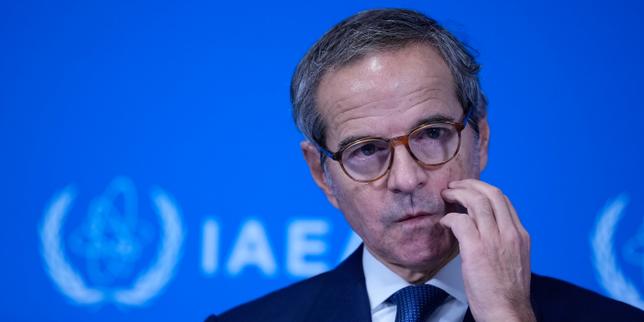
IAEA Director General Rafael Grossi has pushed back against the heavy criticism. His defense rests purely on technical merit. Grossi maintains that when he appoints senior staff, he looks at individual capabilities, operational competence, and professional backgrounds rather than nationalities or state politics.
In Grossi's view, Ferapontov is simply a recognized expert in nuclear safety and security.
That argument sounds neat in a Vienna boardroom. On the ground in Ukraine, it completely falls apart. You can't neatly separate a high-ranking regulatory official from the state apparatus he serves, especially when that apparatus uses armed force to turn a civilian nuclear plant into a military staging ground.
The Broader Fallout for Global Nuclear Diplomacy
This isn't just a bilateral dispute between Kyiv and a United Nations agency. It hits at the heart of institutional trust.
When organizations like the IAEA lose the confidence of nations directly suffering from nuclear threats, the entire global security architecture weakens. Ukrainian Foreign Minister Andriy Sybiha instructed diplomats to deliver a formal note of protest, signaling that this move severely damages the agency's impartiality.
Even environmental groups like Greenpeace joined the chorus, urging Grossi to drop the appointment before it finalized. Ignoring these warnings risks turning the IAEA into a theater of political appeasement rather than a guardian of safety.
If you care about international accountability, watch how member states respond in the coming months. Technical credentials should never become a shield for political maneuvering.