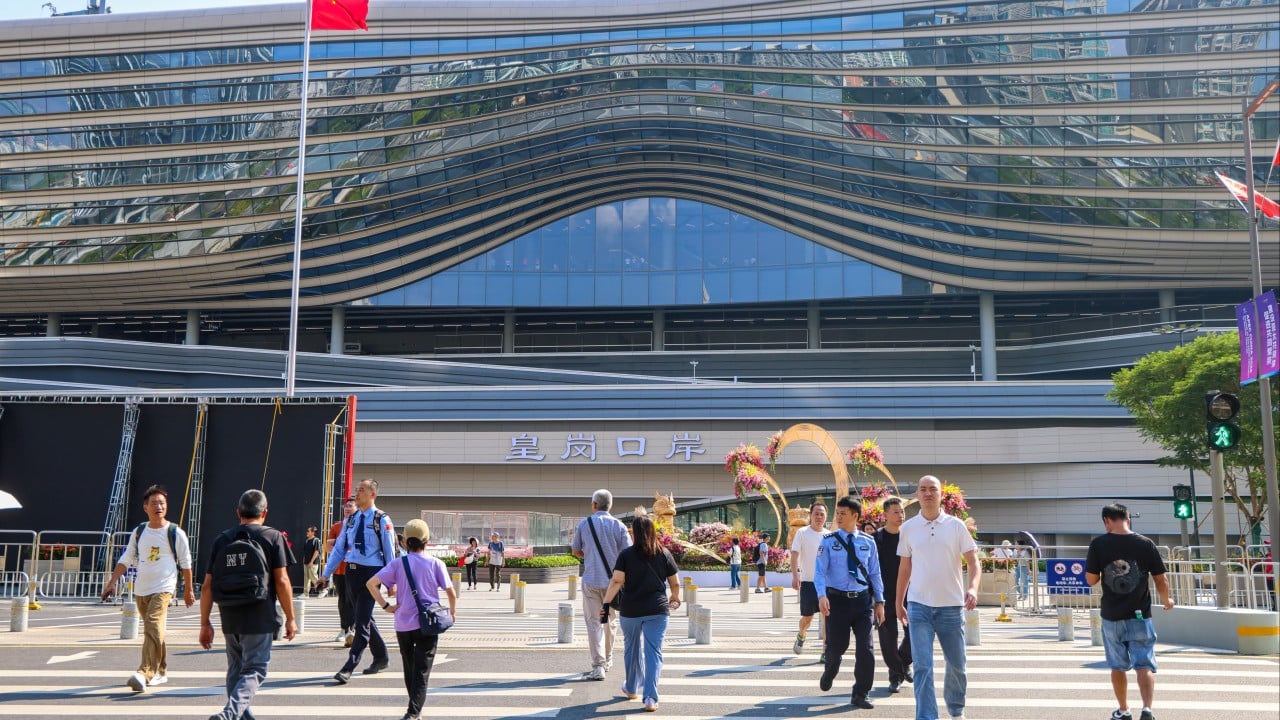
Six years of construction dust finally cleared last Monday when the revamped Huanggang Port opened its doors to the public. It's a massive shift for anyone moving between Hong Kong and Shenzhen. If you've ever stood in endless border queues during holiday rush hours, you know why locals rushed to be part of day-one operations. They wanted to witness the change firsthand.
The numbers from opening day alone speak volumes. According to the Shenzhen General Station of Exit and Entry Frontier Inspection, the new checkpoint handled 79,500 passenger movements and 8,000 vehicle movements within its first twenty-four hours. Security chief Chris Tang noted that initial turnout ran roughly 60 percent higher than early projections anticipated. People are curious, impatient, and eager to test out the updated infrastructure.
What Makes This Checkpoint Different
Forget what you remember about the old Lok Ma Chau control point, which quietly retired after nearly four decades of service. The new Huanggang facility introduces a "joint clearance" model. This is the first border crossing between Hong Kong and the mainland to use this exact system. Instead of stopping twice, once to exit and once to enter, you clear immigration through a streamlined process.
The facility packs 134 automated channels running the joint clearance tech alongside 64 manual counters. Travellers on opening day praised the spacious layout and rapid processing speeds. Some early visitors described the automated checks as running at "light speed," though others admitted the sprawling building takes a few minutes to navigate.
Capacity and Economic Impact
Hong Kong leader John Lee called the reopening a critical milestone for the Greater Bay Area. The infrastructure is built for scale. Right now, the port features a designed daily capacity of 200,000 passenger trips and 15,000 vehicle movements. Once the MTR's Northern Link project finishes up down the line, that passenger capacity will jump to 300,000 daily trips.
For business owners and frequent commuters, this is a big deal. Trade and daily movement across the border form the backbone of the regional economy. When transit times drop, business friction disappears. Local transport operators are already adjusting. KMB reported that its dedicated bus routes, such as the B10 and B11 lines, carried about 25,000 passengers on opening day alone, proving that public transit integration is moving just as fast as the immigration lanes.
Navigating the New Crossing Without Headaches
If you plan to check out the port yourself, don't just show up blindly. Officials have urged travellers to avoid peak holiday windows if they don't have urgent business, as early demand remains volatile.
Here is how to make your trip smooth:
- Check your registration status ahead of time. Hong Kong residents using the joint clearance channels need to ensure they have completed the required setup at the fifth-floor enrolment offices.
- Look at the signage. The transport interchange is massive, but clear directional signs point straight to urban taxi ranks, franchised bus bays, and dedicated fleet pickup zones.
- Keep your documents ready. Whether you're using an ID card or a Home Return Permit, having them instantly accessible keeps the automated gates moving without holding up the queues behind you.
The physical gates are open, and regional integration is officially running at a faster gear. Watch how traffic flows over the coming weeks as weekend holiday crowds test the limits of the new system.


.jpg)