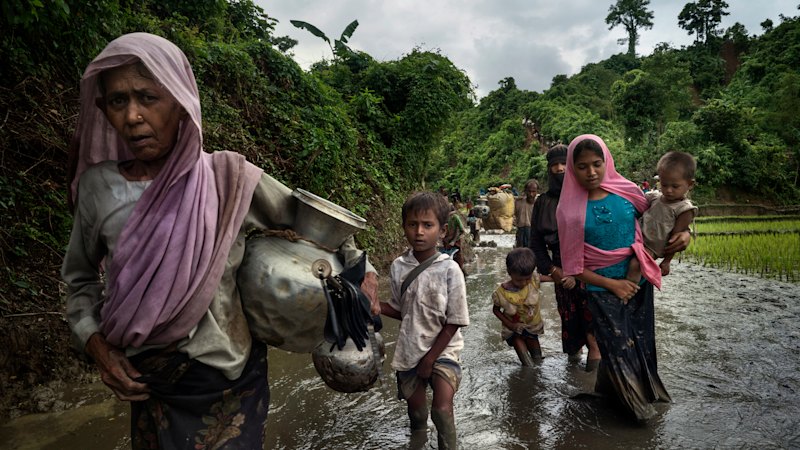
Call it a ceasefire if you want. On the ground in central Gaza, families are packing up whatever cloth and plastic sheets they still own and running again.
Following an Israeli military ground operation in central Gaza that pushed across the boundary known as the "Yellow Line" near Nuseirat and Bureij, Palestinians face new displacement once more. Tanks moved near Salah al-Din Street. Families fled northern Nuseirat. Even after the operation ended, many people stayed away or returned to find ruined shelters and zero basic services, exhausted by years of moving without a safe place to stay.
Look closely at what happened this week and you see the core problem. A piece of paper signed more than a year ago does not stop artillery, tank movement, or fear when winter rains hit. Aid groups have called the situation a ceasefire in name only, pointing out how quickly fragile calm unravels when boundary lines shift and aid trucks stay stuck at the gates.
What Actually Sparked New Displacement in Central Gaza
People searching for news about this week's flare-up usually want two clear answers: what happened on the ground, and why it is happening right now despite a truce.
The operation centered on central Gaza around Nuseirat and Bureij, where Israeli forces moved beyond the Yellow Line. The Israeli military stated the action aimed to eliminate a threat west of that line. Local reports and hospital figures from the push noted fatalities and injuries across central Gaza, alongside heavy drone activity, shelling, and sudden panic among displaced families.
Even brief ground thrusts create outsized new displacement in a strip this crowded. You don't need a months-long invasion to uproot thousands of people when your home is already a thin tarp or a half-standing room. When tanks appear near a main corridor like Salah al-Din Street, families leave first and ask questions later.
Why a Fragile Truce Keeps Breaking Down
Here is what standard headlines often gloss over: a ceasefire agreement only holds if both sides enforce the map and deliver what was promised.
The October 2025 truce and the accompanying US-backed peace framework set up expectations for stability, aid flow, and reconstruction. Yet humanitarian organizations like Oxfam have criticized the gap between those promises and daily reality, arguing that aid deliveries have fallen far short of baseline needs while military control has expanded rather than contracted. Around the same time, the US-led Board of Peace warned that delays in implementing the deal put the entire arrangement at risk of collapse.
Politics outside Gaza plays a role too. This central push unfolded amid post-election coalition maneuvering in Israel, where security posturing carries heavy weight. When domestic politics rewards tough military moves and international enforcement lacks teeth, boundaries blur fast.
The Human Toll of Moving Again Before Winter
If you haven't lived through repeated displacement, it's easy to treat "fled again" as just another line in a wire report. Honestly, it's a compounding disaster.
Aid workers report that roughly 1.8 million people are packed into displacement areas with strained water and sanitation, and many families have already moved up to a dozen times. Every move means losing whatever scarce firewood, blankets, dry clothes, or food a family managed to save.
Timing makes this wave even harsher. Mid-November brings dropping temperatures, wind, and rain to Gaza. Wet ground turns makeshift camps into mud pits. Cold air hits infants, elderly residents, and people with respiratory illnesses hardest, with tragic reports already emerging of cold-related deaths inside tents as winter sets in.
Why Returning Home Isn't Simple Either
When troops pull back after a short operation, outsiders assume life goes back to normal. It doesn't.
Residents returning toward Nuseirat described sheer exhaustion—weary of loss, shortages, and constant uncertainty. A shelter torn down or flooded during an evacuation takes hours or days to rig back up, assuming you even have poles and sheeting. Water pipes, power lines, and clinics don't magically turn back on because a raid ended.
There is also a psychological tax that never shows up in neat counts. Once people have fled with no warning, a distant rumble or drone overhead can trigger another flight—even if no evacuation order came.
Common Misconceptions About Ceasefires and Displacement
A lot of confusion around Gaza comes from treating terms like "ceasefire" or "offensive" as binary switches. War doesn't usually flip from 100 to 0 overnight.
First, a ceasefire isn't the same as peace or full reconstruction. A truce can pause large-scale campaigns on paper while localized strikes, boundary disputes, and movement restrictions continue. Second, displacement isn't just about active shelling in one block; fear, blocked roads, and collapsing services push people out of areas that look quiet on a map.
Third, aid pledges don't equal tents on the ground. Billions have been discussed or pledged since the truce framework emerged, yet materials like shelter supplies and winter gear still face bottlenecks and restrictions. Until those bottlenecks clear, every new push triggers the same shortage crisis.
How to Follow Reliable Updates and Support Relief
If you want to track this story without getting pulled into rumor mills or sensationalized clips, focus on verifiable reporting and established relief operations.
- Cross-check ground reports with verified agencies: Compare reporting from outlets like Al Jazeera and The Guardian against humanitarian assessments from groups such as Oxfam and UN agencies to separate confirmed movements from unverified claims.
- Watch aid truck and shelter metrics, not just headlines: Track whether winter shelter materials, clean water access, and medical supplies are actually entering Gaza—those numbers tell you whether conditions are stabilizing or worsening.
- Vet charities before donating: If you plan to give, stick to established humanitarian organizations with transparent field operations in Gaza and clear winter-relief programs rather than unverified social media fundraisers.
Mass displacement in Gaza following Israeli army operation
This video provides visual context on the central Gaza military operation and its immediate displacement impact on residents.