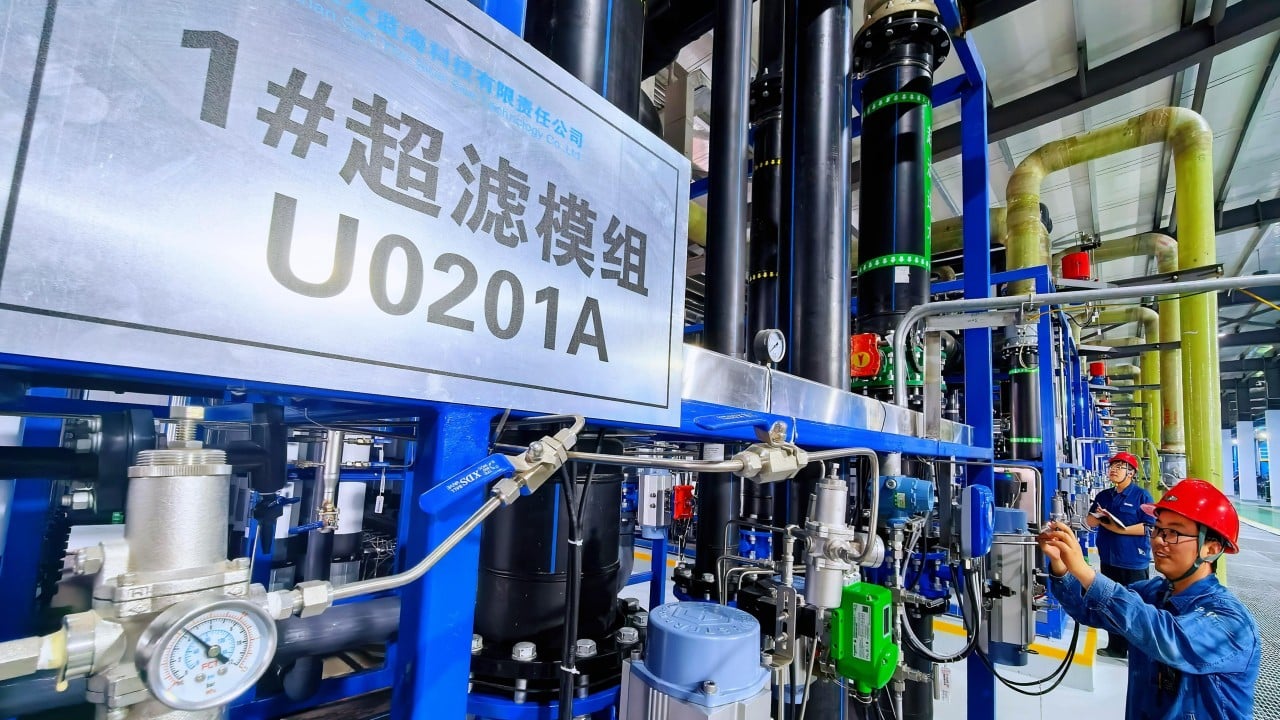
Desalination has always been an energy vampire. For decades, turning seawater into drinking water meant feeding massive amounts of electricity into high-pressure pumps or thermal distillation systems, only to pump toxic, hyper-salty brine right back into the ocean. It is an expensive, environmentally brutal loop. But a recent breakthrough at a Chinese desalination plant proves things don't have to stay that way. By slashing energy consumption by sixty percent and transforming hazardous waste brine into commercial industrial salt, this project offers a glimpse into a much smarter industrial future.
Traditional desalination plants are caught in an ugly compromise. The more fresh water you pull out of the ocean, the more concentrated and dangerous the leftover brine becomes. Pumping that sludge back into marine ecosystems wrecks local habitats by spiking salinity and choking off oxygen. Worse, standard reverse osmosis and thermal systems devour power, making clean water production heavily dependent on fossil fuels. For a closer look into similar topics, we recommend: this related article.
The new facility changes the operational math entirely by refusing to treat waste as garbage. Instead of dumping the hyper-salty runoff back into coastal waters, the plant captures it and processes it into valuable industrial salt. That shift flips the economic model on its head. Turning a liability into a revenue-generating byproduct helps offset the steep operating costs that usually plague large-scale water treatment infrastructure.
Cutting energy use by sixty percent is no small feat. Traditional systems burn through power primarily because forcing water through high-pressure membrane filters requires brute force. By integrating smarter thermal management and optimizing the recovery stages, engineers managed to drop the energy threshold dramatically. When you drastically lower power requirements, you stop bleeding money on electricity bills, making large-scale coastal desalination economically viable for regions that previously found it too expensive to run. For additional background on this development, comprehensive coverage can be read at Engadget.
We are finally moving past the era where environmental protection and industrial output have to fight each other. When heavy industry figures out how to monetize its own waste, sustainability stops being a charity case driven by government mandates and starts looking like good business.
The real test will be scale. Building a high-efficiency prototype is one thing, but keeping those complex brine-conversion systems running smoothly across thousands of commercial facilities worldwide is a completely different challenge. Corrosion, scaling, and high upfront capital expenditures have killed plenty of promising water tech before it left the pilot stage.
If this model holds up outside the lab, coastal cities facing severe water scarcity will have a powerful new tool in their arsenal. Stop treating wastewater as the end of the line. Make it the beginning of something useful, and the economics of clean water completely change.