High-stakes trade negotiations between Ottawa and Washington are accelerating behind closed doors. Officials on both sides are rushing to find common ground before upcoming political deadlines, but nobody is betting the farm on a lasting breakthrough.
When trade talks stalled out in late August, it looked like a total collapse. Prime Minister Mark Carney drew a hard line against U.S. demands that would have hamstrung Canada's independent foreign trade policy and gutted local auto manufacturing. Ottawa walked away, Washington slapped on retaliatory tariffs, and the bilateral economic relationship hit its coldest freeze in years.
Now, sources close to the file say political-level channels are burning hot again. The sudden acceleration isn't born of sudden goodwill. It's driven by raw political survival ahead of the American midterm elections.
The Midterm Pressure Cooker Driving the Pace
Washington politicians are feeling the heat, and it is changing their calculus. In competitive Senate races across states like Michigan and Maine, Republican candidates are squirming under the weight of persistent tariff fallout. Farmers, manufacturers, and local businesses are screaming about supply chain disruptions and input costs they simply can't absorb.
Take Maine, for instance, where Senator Susan Collins is fighting for her political life. Trump recently carved out exemptions for Canadian corrugated paper, specific agricultural machinery, and plastic boxes because Maine businesses desperately need them to function. When grocery packaging and farming tools double in price, voters notice in the voting booth.
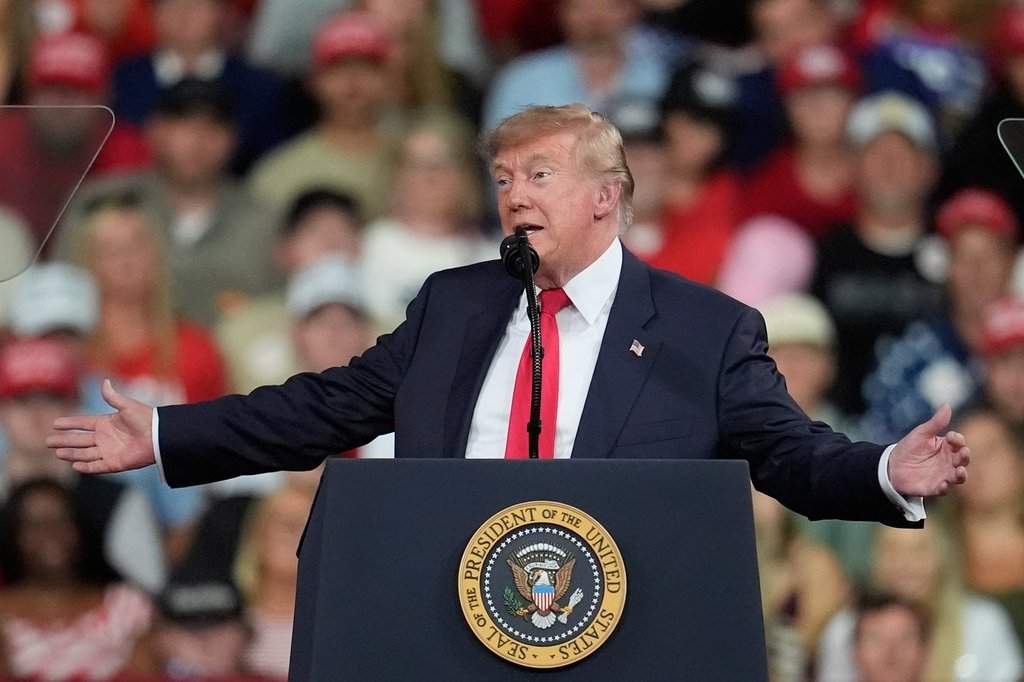
At the same time, the White House is eager to project momentum. President Donald Trump has dropped hints at rallies that the trade dispute could wrap up pretty soon. But seasoned observers know his track record. He's notorious for declaring a historic win, shaking hands in front of the cameras, and then ripping up the terms a week later.
Prime Minister Carney addressed this volatility head-on, admitting flat out that he doesn't know if Trump will actually stand by a signed agreement in pen. That level of blunt realism defines Canada's current strategy. Ottawa isn't chasing a photo-op. They are protecting strict bottom lines.
Red Lines and Reality Checks at the Negotiating Table
Getting an actual deal across the finish line requires the U.S. to back down from the aggressive demands that torpedoed the August talks.
Ottawa's red lines remain non-negotiable:
- Preserving Canada's sovereign right to strike independent trade agreements with other global partners.
- Protecting domestic manufacturing, particularly the auto sector, from punitive cross-border penalties.
- Defending local cultural protections and language requirements.
Carney noted recently that the Trump administration has already budged slightly on a few of these friction points since Canada walked away. Trade Minister Dominic Leblanc is leading the high-level push, trying to lock down concessions before the political clock runs out on November 3.
Yet, translating a fast-moving political chat into a legally binding, comprehensive trade text in a matter of days is an uphill battle. Formal trade representatives haven't even ironed out the complex bureaucratic details.
What Happens Next for Cross Border Business
If you're running a business dependent on cross-border supply chains, you shouldn't exhale just yet. The current sprint toward a deal is erratic, messy, and tied entirely to the volatile news cycle of an American election.
Expect sudden headline announcements, selective tariff carve-outs for vulnerable swing states, and plenty of last-minute posturing. A narrow agreement covering specific pain points like steel, autos, or targeted agricultural inputs is entirely possible before the midterms hit. A comprehensive, stable long-term trade accord is an entirely different story.
Keep your supply chains flexible, monitor specific sector exemptions as they drop, and don't mistake political urgency for permanent stability.