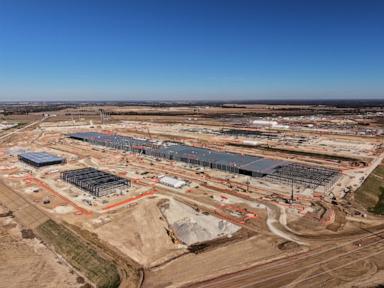
If you have looked at your monthly electric bill lately, you know the pain. Prices are climbing, and everyone is trying to figure out why the grid is buckling under strain. Part of the answer sits in massive warehouses humming quietly across the country, consuming insane amounts of electricity to fuel artificial intelligence and cloud computing.
Washington finally decided to do something about it.
The U.S. Senate recently advanced a sweeping, bipartisan energy permitting package designed to slash the notoriously long timelines required to approve power plants, transmission lines, and major infrastructure projects. But the real teeth in this legislation target big tech head-on. The bill establishes a national framework forcing energy-hungry data centers to pay their own way rather than shifting mounting utility costs onto everyday residential ratepayers.
Let's break down why this matters, what the legislation actually changes, and why critics and industry players are scrambling to keep up.
The Bottleneck Problem
For years, building any major energy project in the United States meant walking into a regulatory maze. Whether you wanted to build a natural gas pipeline, an offshore wind farm, or a solar grid connection, you could expect to spend five years or more just crawling through environmental reviews and legal challenges.
Wyoming Senator John Barrasso put it bluntly during debates, noting that projects capable of lowering consumer prices stay frozen in a regulatory penalty box for years. That delay creates artificial scarcity. When demand skyrockets and supply stays flat, prices shoot up.
The new bill attempts to inject speed back into the system. Negotiated by a bipartisan group including Republican Senators Shelley Moore Capito of West Virginia and Mike Lee of Utah alongside Democratic Senators Martin Heinrich of New Mexico and Sheldon Whitehouse of Rhode Island, the package streamlines federal reviews. It cuts through red tape that has choked off energy development for decades.
Making Big Tech Pay Its Share
The most explosive part of the legislation isn't just about building faster; it is about who pays the bill.
Artificial intelligence requires server farms so massive they demand as much electricity as small cities. Under historical utility rules, local utilities often built new generation capacity or upgraded transmission lines to accommodate these massive commercial clients, spreading a chunk of those capital costs across all customers in the service area. Your monthly bill went up to help power someone else's server rack.
This bill codifies strict ratepayer protections. It sets a national policy requiring data centers to cover their full costs and invest directly in local community assistance programs. Independent energy analysts at Grid Strategies estimate that these provisions could shift roughly $35 billion in energy infrastructure costs away from regular consumers and onto the tech companies over the next decade.
Tech giants can no longer treat cheap public electricity as an unlimited subsidy. If they want to scale their operations, they have to fund the infrastructure required to feed them.
The Political Realities and Hurdles
Passing major energy reform in a polarized political climate is never easy, even when it has bipartisan backing. The vote to advance the legislation cleared hurdles with a strong 73-25 margin, showing that lawmakers from both parties feel the pressure from constituents angry over utility bills.
Even so, the path forward involves friction. House leadership and various advocacy groups have raised concerns about how the streamlined rules might interact with local environmental protections and tribal sovereignty. Some progressive lawmakers argue the speed-up favors fossil fuels too heavily, while some industry purists worry about federal oversight into regional transmission organizations like PJM Interconnection.
Yet the political momentum is hard to ignore. With support from the administration and heavy backing from both traditional energy developers and clean energy advocates who need transmission lines built to move wind and solar power, the coalition behind the bill is unusually broad.
What Happens Next
If you are tracking how this impacts the broader economy, keep your eyes on how tech companies adjust their expansion strategies. Companies building massive AI infrastructure are already evaluating alternative power arrangements, such as partnering directly with nuclear plants or funding dedicated renewable microgrids to bypass public utility battles altogether.
The days of quietly plugging a gigawatt-scale data center into the local grid and letting everyday families absorb the cost are coming to an end. Energy policy rarely makes for exciting dinner table conversation, but this shift directly affects what you pay every time you turn on the lights.
Take a close look at your next utility statement. The battle over who pays for the future of American power is officially underway.