Political scandals rarely arrive in a vacuum. When a 53-page report drops from House Democrats detailing severe new allegations against Donald Trump, the shockwaves extend far beyond the immediate headlines. Former Miss Switzerland Beatrice Keul has stepped forward with startling new accusations regarding a 1993 encounter at the Plaza Hotel in Atlantic City.
The report isn't just about a single disputed night decades ago. It exposes the ongoing friction between congressional oversight committees, the Department of Justice, and the persistent ghost of Jeffrey Epstein. Let’s break down what actually happened in this report, why these claims are surfacing now, and how both sides are framing the narrative.
What Beatrice Keul Alleged in the New Congressional Report
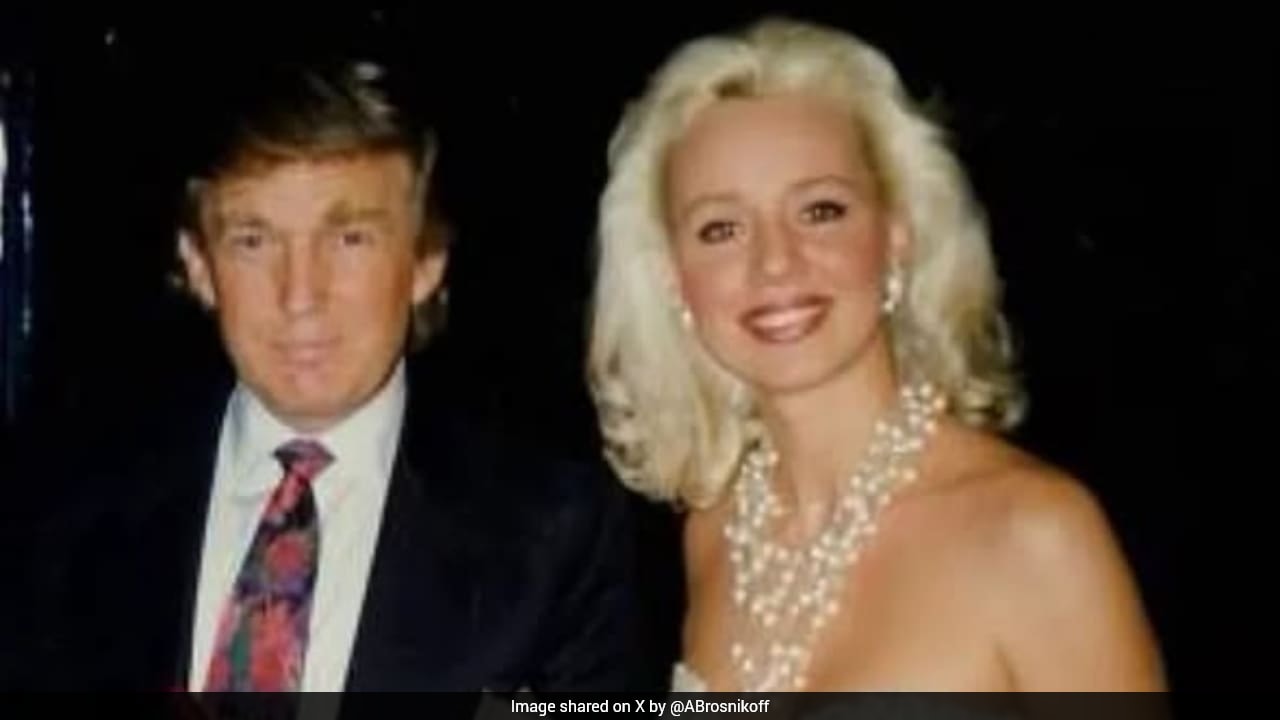
According to the documents released by House Judiciary Committee Democrats, Keul has expanded upon previous public statements she made regarding an encounter in November 1993. Back then, she was a 24-year-old model attending pageant events. Now, the testimony details a far more violent incident.
Keul claims she met Trump at the Plaza Hotel, where he allegedly dangled career incentives like arranging a visa and admission to New York University. Shortly after, she states she was approached by Jeffrey Epstein, who introduced himself as a close associate of Trump and invited her toward Mar-a-Lago circles.
The core of the new allegation points to an invitation to an upper-level hotel room. Keul asserts that she was grabbed from behind, resulting in a brutal assault that tore her dress and caused physical injuries. Afterward, she claims Trump sat her on a bed, reiterated promises about her visa and university admission, and told her to keep quiet because "the show must go on."
These details form the backbone of the Democrats' push to link Trump more directly to the predatory network surrounding Epstein.
The White House Response and Political Pushback
Unsurprisingly, the White House didn't stay quiet. Administration officials pushed back immediately, dismissing the 53-page dossier as a manufactured political distraction.
A spokesperson for the administration called the release a desperate effort by opponents to blunt surging Republican momentum ahead of congressional elections. From the administration’s standpoint, these recycled claims are timed strategically to damage political standing when legislative control of Congress hangs in the balance.
Trump has consistently maintained that he severed ties with Epstein long before Epstein's criminal activities became public knowledge. While Trump fought to block the initial release of the federal "Epstein Files," he ultimately signed legislation requiring their publication after intense pressure from Congress. His name appears across those documents, though he has not faced criminal charges tied directly to Epstein’s sex trafficking operations.
Why This Report Is Fueling Calls for a Special Counsel
Representative Jamie Raskin and other high-ranking Democrats aren't just looking at past history. They are using Keul’s testimony to demand immediate structural action inside the federal government.
The committee is calling for Attorney General Todd Blanche to appoint an independent special counsel. Their argument rests on the claim that the Department of Justice is actively protecting the president rather than pursuing a thorough investigation into Epstein's network of accomplices and co-conspirators.
Critics of the current DOJ leadership point out that Blanche previously served as Trump's personal attorney. Because of this history, Democrats argue that an independent counsel is the only way to restore public trust in the investigation. However, committee members readily admit that the current leadership is unlikely to greenlight such an appointment voluntarily.
The Broader Context of the 2026 Midterms
Timing is everything in politics. With crucial elections right around the corner, both political parties are pouring millions of dollars into advertisements centering around the Epstein documents and associated allegations. Democrats have reportedly spent over $35 million on these targeted campaigns alone.
For voters, sorting through partisan crossfire is exhausting. On one side, you have detailed survivor accounts and congressional demands for institutional accountability. On the other side, you have accusations of weaponized investigations designed to swing legislative outcomes.
As these legal and political battles play out, the demand for transparency remains louder than ever. Whether these fresh testimonies lead to formal independent inquiries or simply dissolve into another partisan flashpoint depends entirely on how much pressure the public places on federal institutions in the coming months.