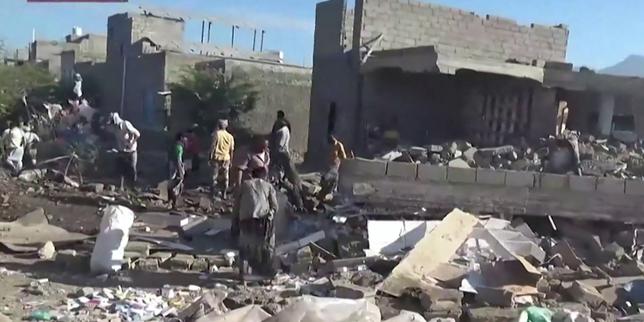
When a massive rock-ice avalanche triggered catastrophic flash floods across central Nepal in late August 2026, the world watched in horror. Millions of tonnes of debris swallowed homes, erased entire communities in districts like Rasuwa and Nuwakot, and left thousands dead or missing. Months later, the headlines have faded from mainstream international feeds, but the grueling reality of daily survival remains. Nepal is stuck in an impossible fight to rebuild, and the struggle exposes deep systemic flaws in how the international community handles climate-induced disasters.
You don't need a degree in macroeconomics to understand what went wrong. You just need to look at the numbers. The initial damage assessments calculate total reconstruction needs at roughly $4.8 billion—amounting to a staggering 10 percent of Nepal's entire gross domestic product. For context, if the United States faced a proportional hit relative to its GDP, it would equal over $3 trillion. Against this backdrop, a United Nations flash appeal for $50 million in immediate life-saving support managed to raise barely half that amount before stalling out. Pledges look great on diplomatic briefing papers, but cash in hand is what buys corrugated iron sheets, clears choked riverbeds, and funds clean drinking water.
The Gap Between Global Sympathy and Financial Reality
International bodies love to talk about climate justice, yet actual execution moves at a snail's pace. While institutions like the Loss and Damage Fund recently approved a $20 million grant for Nepal, bureaucratically sliced funding takes months to filter down to the ground level where people are sleeping under plastic tarpaulins.
Meanwhile, local economies are bleeding. The World Bank slashed Nepal's annual fiscal growth projections down to 3.7 percent because critical infrastructure—including dozens of hydropower projects, solar installations, and vital transmission lines—was wiped off the map. Over 100 bridges collapsed, turning brief foot journeys across mountain valleys into agonizing 12-hour detours. When trade routes break and daily-wage earners lose their small businesses, waiting six months for international grants to clear administrative hurdles is an eternity.
Who Actually Gets to Rebuild
A dangerous myth persists that post-disaster aid lifts everyone equally. On the ground in central Nepal, recovery is deeply stratified.
Imagine two households staring at identical piles of mud where their homes used to stand. One family has a small cash cushion, off-grid family connections in Kathmandu, and clear land ownership documents. They can pivot quickly, purchase alternative materials, and secure temporary shelter. The second family depends entirely on daily agricultural or tourism wages, owned no formal title to their ancestral plot, and has zero savings. When public aid formulas rely strictly on bureaucratic paperwork and formal land deeds, the poorest families get filtered out of the system entirely.
This isn't unique to Nepal, but the sheer scale of the 2026 disaster put these inequities under a harsh spotlight. Rebuilding infrastructure means nothing if the people who bore the brunt of the flood are left permanently landless and debt-trapped.
Moving Past Temporary Fixes
Emergency responses usually focus on immediate food drops and medical tents, but Nepal's crisis demands a complete rethink of high-altitude hazard management. Glacial lake outbursts and rock-ice avalanches are accelerating across the Hindu Kush Himalaya region due to rapid warming. Building back exactly what stood before the flood on the exact same flood-prone riverbanks is a recipe for repeat tragedy.
True recovery requires three non-negotiable shifts:
- Decentralized cash flows: Intercepting international funds before they get bogged down in multi-layered bureaucratic approval chains, putting direct liquidity into the hands of local municipal bodies.
- Livelihood-first reconstruction: Prioritizing job creation, micro-enterprise grants, and agricultural rehabilitation alongside physical concrete repairs.
- Risk-informed relocation: Moving vulnerable settlements away from unstable gorges while securing fair land rights for displaced families so they aren't forced back into high-risk zones out of desperation.
Nepal's ongoing struggle is a warning flare for vulnerable nations worldwide. When global warming triggers localized catastrophes that wipe out entire national budgets, expecting developing countries to shoulder the bill alone is a systemic failure. The fight to rebuild isn't just about clearing 2.2 million tonnes of debris; it is about rewriting a broken global aid architecture that talks about climate resilience while leaving frontline nations to dig themselves out of the mud alone.