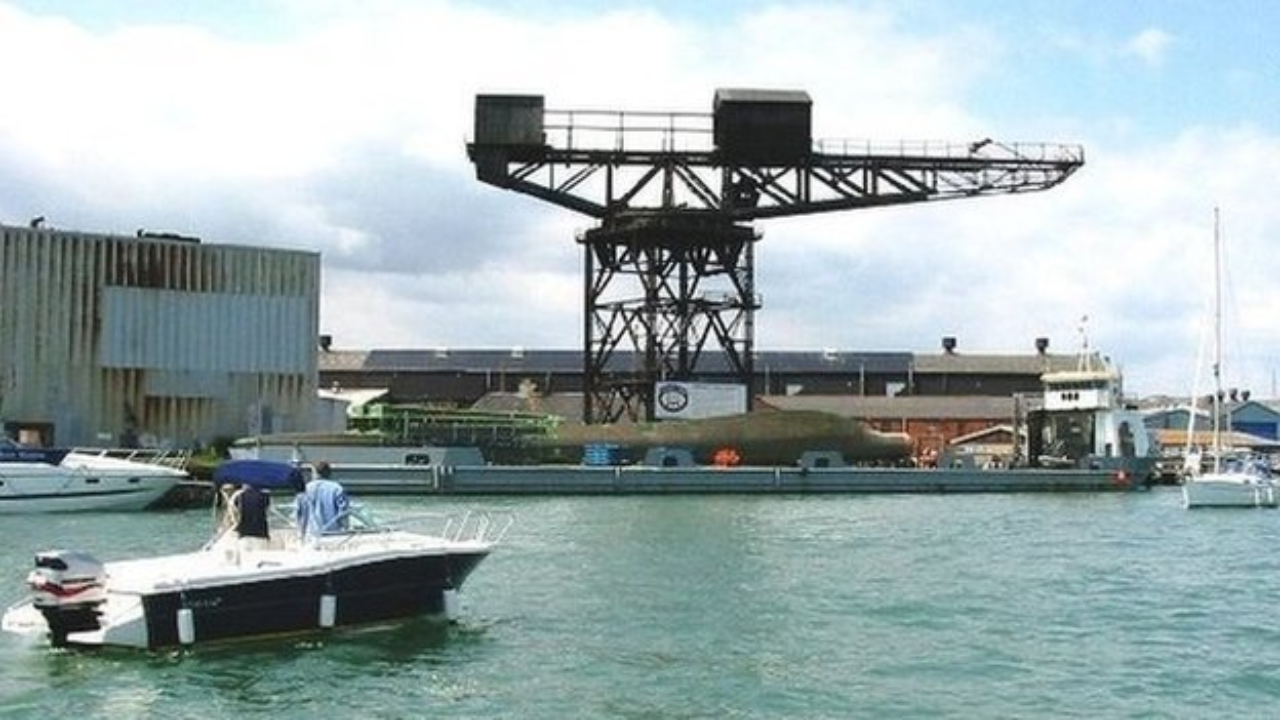
When a 150-foot historic crane on the Cowes waterfront faced the terrifying risk of collapse due to severe corrosion, local authorities didn't just stand by and watch. They stepped in, fixed the mess, and sent the bill straight to the former owners.
If you think property owners can walk away from decaying heritage structures without consequence, the recent £358,000 legal recovery by the Isle of Wight Council proves otherwise. Years of legal appeals finally closed a chapter that sets a clear precedent for neglectful ownership across the United Kingdom.
The Anatomy of a Waterfront Crisis
Dominating the Isle of Wight skyline, the Grade II* listed Hammerhead Crane is an 80-tonne engineering marvel built in the early 1900s. It isn't just scrap metal by the water. It represents the last surviving pre-First World War hammerhead crane of its kind in England. During both world wars, it hoisted massive boilers and engines straight into naval vessels during critical shipbuilding operations.
Yet, decades of sea spray and neglect turned pride into peril. Severe corrosion gripped the tower, jib, and ballast box. By the time the Isle of Wight Council issued Urgent Works Notices back in 2014 and again in 2016, the structure stood on the brink of structural failure.
When owners ignore statutory warnings, local councils possess the legal muscle to step in. That is exactly what happened here.
Holding Owners Accountable Through the Courts
Municipal authorities are routinely cash-strapped, leaving taxpayers vulnerable when private owners abandon historic assets. In this case, the council refused to let local residents shoulder the financial burden of stabilization.
Partnering with Historic England funding, the council hired local island contractors to execute emergency repairs before the rust caused catastrophic failure. But the battle didn't end with scaffolding and welding torches. It moved straight to the courtroom.
After years of grueling legal challenges and appeals, a 2015 ruling cemented the financial liability squarely on the former landowners. The council successfully recovered the full £358,000 cost. Out of that total, £348,000 was promptly returned to Historic England to replenish grant programs for other endangered heritage sites, once officer costs were cleared.
What This Means for Heritage Property Owners
If you own a listed building or industrial landmark, the Cowes crane case serves as a blunt wake-up call.
- Statutory notices have teeth: Ignoring council warnings won't make them disappear. Municipalities will intervene if public safety or heritage loss is imminent.
- You pay for the rescue: Emergency interventions carried out by local authorities are billed back to the responsible party, often with fierce legal backing.
- Legal delays fail: Dragging out cases through years of appeals doesn't erase the underlying debt.
Preserving history isn't optional when you hold the deeds to a protected monument. Maintenance costs sting, but emergency council interventions cost far more once legal fees and court judgments stack up.
Take a hard look at your asset portfolio today. Schedule structural assessments before rust eats away your equity, and remember that walking away from maintenance is the most expensive gamble you can make.