Military aviation is unforgiving. One second you're flying a routine patrol, and the next, you're fighting for survival.
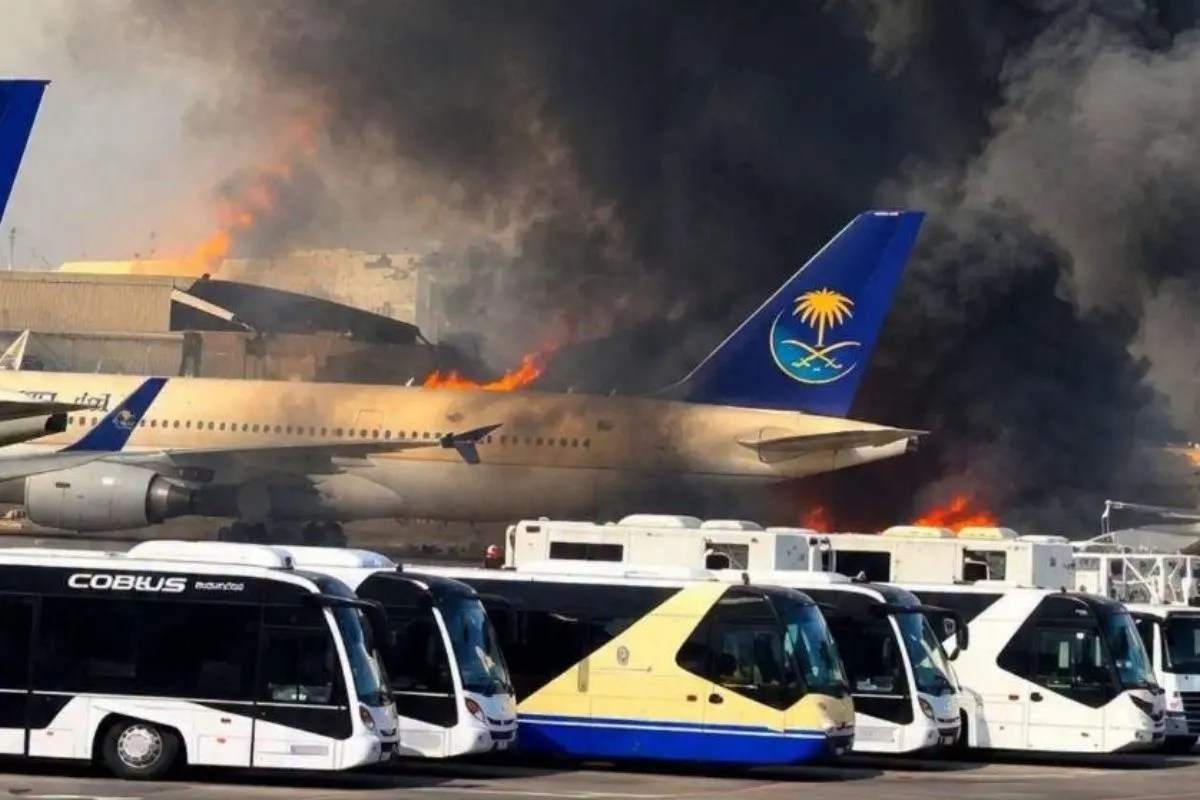
A stark reminder of this brutal reality occurred in the southwestern region of Saudi Arabia. An AH-6 reconnaissance helicopter went down near Najran, claiming the lives of two crew members. According to the Saudi-led coalition, the preliminary cause points straight to a technical malfunction rather than hostile action.
When military aircraft crash, people immediately look for external threats, especially in volatile border regions. But mechanical failures remain one of the most silent and persistent killers in modern armed forces. Let's look at what actually happens when technical glitches turn fatal in high-stakes environments like Najran.
The Reality of Routine Patrols in Najran
Najran isn't just any ordinary patch of desert. Situated right along the rugged borderlands, airspace here demands constant vigilance. Reconnaissance units like the ones flying the AH-6 serve as the eyes and ears for ground forces, tracking movements and monitoring security zones day and night.
Flying tactical missions in harsh terrain puts immense stress on airframes. Extreme heat, blowing sand, and high-tempo operational demands take a heavy toll on mechanical systems. When a critical component fails mid-flight, pilots have seconds—sometimes milliseconds—to react. There is zero margin for error.
Why Technical Failures Still Beat the Best Maintenance Protocols
You might wonder how modern militaries with billions in defense spending still suffer from mechanical crashes. The truth is simple. Complex machines break.
Even with strict pre-flight checks, avionics and engine components can fail without warning. A micro-fracture in a turbine blade, an unexpected drop in hydraulic pressure, or an electrical short can render a nimble scout helicopter unflyable before the crew can even diagnose the dashboard warning lights.
- High operational tempos leave less downtime for deep maintenance cycles.
- Desert environments accelerate wear and tear on engines and rotors.
- Supply chain bottlenecks can delay critical replacement parts.
Ground crews work around the clock, but mechanical entropy always wins eventually.
Beyond the Headlines: The Cost of the Najran Incident
Two crew members lost their lives in this crash. Behind every military aviation statistic are experienced personnel whose training takes years and millions of dollars. Losing skilled aviators impacts operational readiness far more than losing the hardware itself.
Military investigators will comb through the flight data recorder and wreckage debris to find the exact root cause. Was it a manufacturing defect? A maintenance oversight? Or simply component fatigue under severe operational strain? Whatever the black box reveals, it will likely trigger mandatory fleet-wide inspections for similar aircraft across the coalition.
If you follow defense news, don't just skim past these incident reports as isolated accidents. They highlight the hidden costs of maintaining border security in hostile geographies. Every routine flight carries invisible risks that modern engineering still struggles to eliminate entirely.