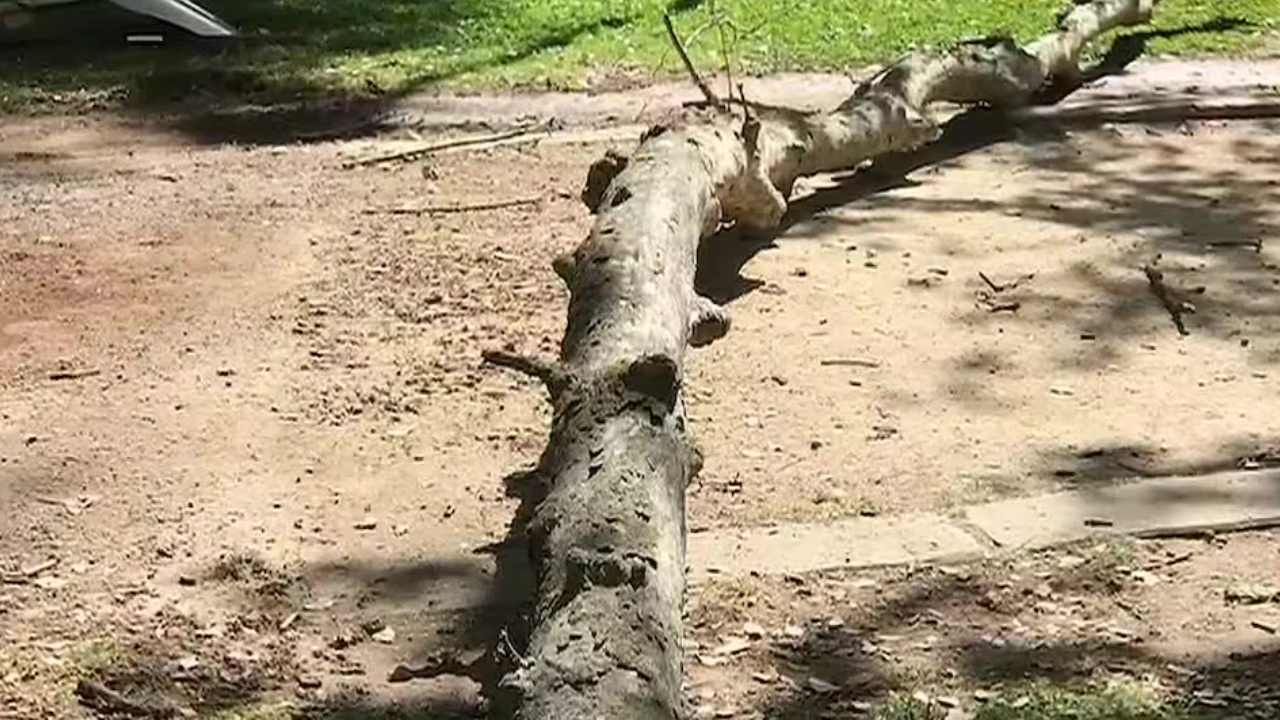
A routine morning jog turned into a six-year legal battle that just handed a $33.3 million payout to a former physics student. In April 2020, Michael Flynn was running through McKinley Park in Sacramento when a 30-foot dead tree branch snapped off and struck him. He suffered severe neurological trauma that permanently altered his life.
When a Sacramento Superior Court jury recently held the city 100 percent responsible, the verdict sent a clear message to municipal leaders everywhere. Ignoring basic public park maintenance isn't just an oversight; it's a massive financial and ethical liability.
If you think local governments can simply wave away responsibility for falling limbs, look closer at what happened here. Let's break down why this case matters far beyond California.
The Real Cost of Deferred Maintenance
Cities love to plead poverty or scale when accidents happen. During the trial, Sacramento's defense attorneys argued that local governments cannot reasonably inspect every single tree across every municipal park. It sounds plausible on the surface. After all, parks departments operate under tight budgets and face constant staffing crunches.
The jury didn't buy it, and for good reason.
Evidence presented by the law firm Dreyer Babich Buccola Wood Campora P.C. showed that the 30-foot limb had been dead for years. This wasn't a sudden, unpredictable snap caused by a freak windstorm on a healthy tree. It was a rotting hazard sitting in plain sight over a busy public walking path. Routine forestry inspections would have caught it immediately.
When cities defer basic upkeep to save a few dollars on groundskeeping crews, they gamble with public safety. Eventually, the bill comes due. In this instance, it cost taxpayers $33.3 million.
Surviving Against the Odds
What makes Flynn's story remarkable isn't just the jaw-dropping verdict amount. It's the sheer grit required to keep going after a catastrophic brain injury.
Recovery wasn't a neat, linear path. Following the accident, Flynn faced an intensely dark period filled with rigorous medical care and neurological rehabilitation. Yet, while dealing with long-term cognitive and physical hurdles, he managed to finish his postgraduate studies and earn a doctorate in physics.
He didn't let a severe traumatic brain injury derail his academic ambitions entirely, even though daily life became an ongoing struggle. As he noted in interviews after the verdict, not a single day goes by without feeling the physical and mental consequences of that morning jog. Brain injuries change everything, and no amount of monetary compensation completely undoes the trauma. But the award provides essential security for ongoing medical costs and lost future earnings.
What This Means for Public Accountability
Municipal negligence lawsuits usually settle quietly behind closed doors, away from public scrutiny. When a case goes all the way to a jury trial and results in a verdict of this magnitude, it shifts public discourse.
You pay taxes expecting that local authorities will maintain basic infrastructure like sidewalks, streetlights, and park trees. When city agencies fail to perform rudimentary safety checks, public trust breaks down entirely.
Park visitors shouldn't have to carry binoculars to scan the canopy for falling timber every time they go for a run. Municipalities need to treat urban forestry management as a core public safety priority rather than an expendable line item.
If your local park features neglected, rotting trees hanging precariously over heavily trafficked walking paths or playgrounds, don't wait for a tragedy to happen. Document the hazards, submit formal maintenance requests to your city council, and demand proactive arborist inspections before another preventable accident makes headlines.