Nikolay Rubtsov, deputy head of Moscow's health department, just made a blunt pitch for a healthcare tech and AI alliance between Russia and India. Speaking around the Russia-India Forum, he argued that both countries wrestle with massive populations, overlapping disease burdens, and megacity strain that make swapping medical technologies and AI systems an obvious move.
I've watched plenty of cross-border health tech announcements fizzle out in polite press releases. Usually, two ministries sign a memorandum, fly a few consultants around, and nothing changes inside a crowded clinic. Still, Rubtsov's push isn't happening in a vacuum—it lands right as Russia and India explore wider medical device, diagnostic, and biotechnology ties.
Honest truth? Good intentions don't fix hospital bottlenecks. Real clinical value depends on data rules, workflow fit, and whether doctors actually trust the software on a busy Tuesday morning.
What Nikolay Rubtsov Actually Proposed
Rubtsov's core message centers on two-way exchange rather than one-sided handouts. He pointed to Moscow and Delhi as sprawling global hubs with huge populations and complex care demands, urging closer links among Russian doctors, Indian doctors, and both governments so each side can adopt what works.
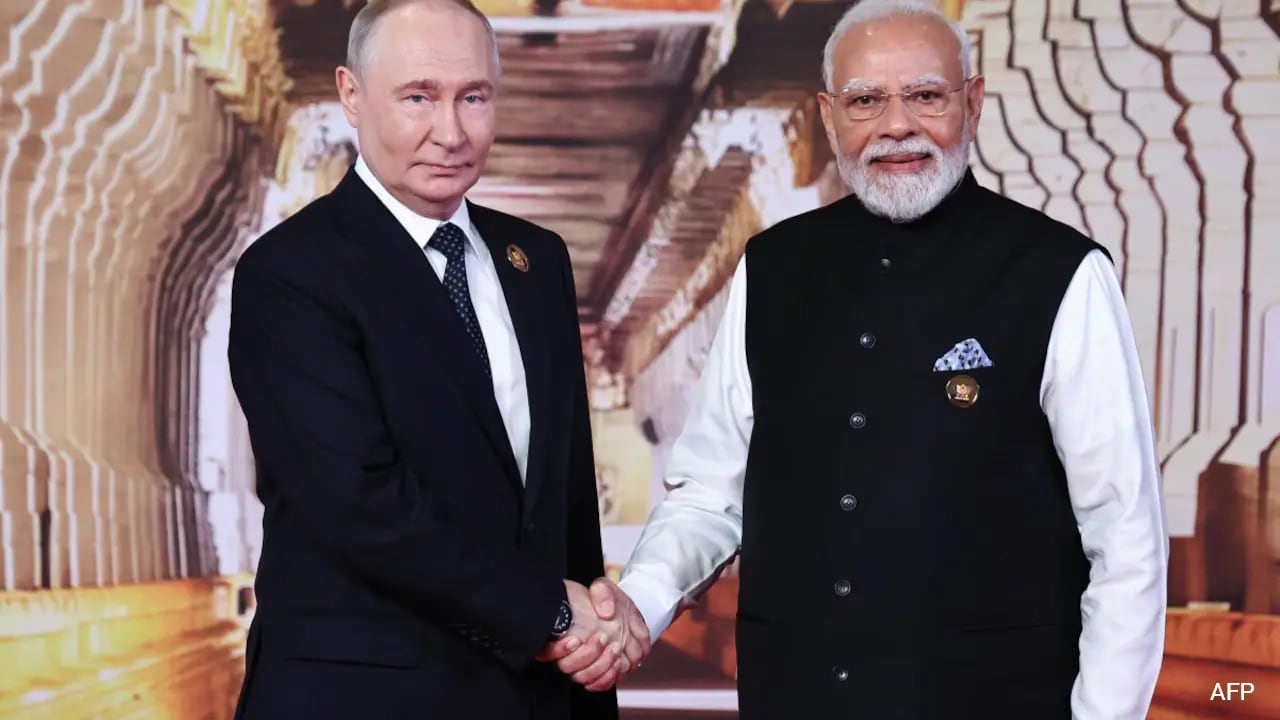
He also framed the partnership around AI tools and health information systems used to manage large-scale patient treatment. Around the same window, External Affairs Minister S. Jaishankar held a phone call with Russian Foreign Minister Sergey Lavrov on recent developments, keeping high-level diplomatic channels active while technical talks bubble up below.
Here is what is actually concrete right now versus what is still aspirational:
- What's real: Public calls from Moscow health leadership for AI, digital health, and clinical best-practice exchange, paired with exploratory talks around medical devices and biotech.
- What's missing: Publicly reported binding treaties, fixed budget lines, or firm rollout timelines for shared AI platforms across Indian or Russian hospitals.
That gap matters. In health tech, a vision statement is step zero, not deployment.
Why Megacities Like Moscow and Delhi Are Testing Grounds
Putting Moscow and Delhi in the same sentence makes sense on paper, even if their climates, budgets, and hospital networks look very different on the ground. Both cities pack millions of residents into dense urban cores where outpatient queues move fast and mistakes get expensive quickly.
In high-volume urban clinics, AI usually proves its worth in boring places first. Triage routing, radiology queue sorting, and structured health records save minutes per patient. Those saved minutes add up fast when a clinic sees hundreds of people before lunch.
Yet I've seen ambitious hospital software fail because it added extra clicks for overworked nurses and physicians. If an AI alert fires too often or clashes with local clinical habits, staff mute it or route around it. Megacity scale magnifies both wins and friction.
Where Russia and India Could Actually Meet in MedTech
Talks around the Andhra Pradesh MedTech Zone (AMTZ) in Visakhapatnam show where practical cooperation could land beyond slogans. Reports indicate AMTZ has hosted Russian delegation discussions touching on technology transfer, medical devices, nuclear medicine, screening and diagnostic tools, digital health, and biotechnology.
India brings massive software engineering depth, large-scale digital public health ambitions, and a fast-growing medtech manufacturing push under initiatives like Make in India. Russia brings established state health IT experience, strong mathematical and scientific research traditions, and specialized clinical equipment capabilities.
Combining those strengths sounds neat in a slide deck. In practice, three hurdles will decide whether anything ships at scale:
- Regulatory alignment: Medical devices and clinical AI need validation that satisfies local safety rules, not just lab demos.
- Data governance: Patient health data is sensitive everywhere, so cross-border model training or shared software has to respect privacy laws and hospital security boundaries.
- Commercial viability: Hospitals buy tools that cut costs, speed up diagnosis, or solve staffing gaps—not novelty dashboards.
Common Misconceptions About Cross-Border Health AI
People often assume that if an algorithm works well in one country's hospital system, you can drop it into another country next month. Doesn't work like that.
Patient demographics, disease prevalence, scanner hardware, and lab formats vary widely between Moscow and Delhi. A model trained heavily on one population or imaging setup can stumble when exposed to different baselines or lower-resolution scans.
Another trap is treating AI as a doctor replacement. In real clinical settings, the best systems act as a second pair of eyes or a workflow sorter while licensed clinicians make the call. Overselling autonomy breeds skepticism from the exact professionals who have to sign off on care.
It's also worth noting that public reports on Rubtsov's remarks emphasize broad challenges and shared approaches rather than audited clinical outcome numbers. Skepticism isn't anti-cooperation; it's basic scientific hygiene.
What to Watch Next and Practical Steps
If you're a healthcare founder, hospital administrator, policymaker, or investor tracking this space, don't chase headlines alone. Watch for concrete execution signals over the next several months.
- Track formal agreements and pilots: Look for named institutions, clear clinical endpoints, and defined pilot hospitals rather than general statements of intent.
- Audit local validation data: Ask any health AI vendor—domestic or foreign—how their tool was tested on populations and equipment matching your actual clinics.
- Prioritize workflow integration early: Involve frontline doctors, radiologists, and IT teams before signing contracts so software fits existing routines instead of fighting them.
- Clarify compliance and data ownership: Map out regulatory approvals, cybersecurity controls, and data-handling rules upfront before sharing clinical datasets or deploying connected devices.
Russia and India healthcare AI exchange overview on ANI
How AI and Screening Tech Shape Indian Healthcare
This video shows how AI and diagnostic tools are applied to real care gaps in India, giving useful context alongside Moscow's push for health tech exchange.