The rules of international commerce are breaking down. When foreign investments become collateral damage in geopolitical warfare, nobody wins. Moscow is accelerating the seizure of assets belonging to Western companies, shifting from a passive freeze into an aggressive expropriation campaign. If you run a multinational corporation or hold international shares, this escalation changes the risk calculation entirely.
Let's look at what's actually happening on the ground. Western companies thought they could weather the sanctions storm by sitting tight or executing slow, bureaucratic exits. They were wrong. The Kremlin isn't waiting around for corporate boardrooms to finalize paperwork. Presidential decrees and administrative pressures are forcing foreign firms out, placing subsidiaries under state-managed control, and effectively writing off billions in capital.
The Shift From Freezing To Forcible Takeovers
For months following the escalation in Ukraine, the game was about frozen accounts and immobilized capital. Western governments locked down roughly 210 billion euros of Russian sovereign assets. Moscow warned repeatedly that any attempt to convert those funds or use them to back Ukraine would trigger severe retaliation.
Now, that retaliation is here, and it's hitting commercial assets hard. Companies originating from France, Germany, Sweden, and Belgium find themselves directly in the crosshairs. Retailers, industrial manufacturers, and financial institutions are seeing their local operations seized under the banner of protecting national economic interests.
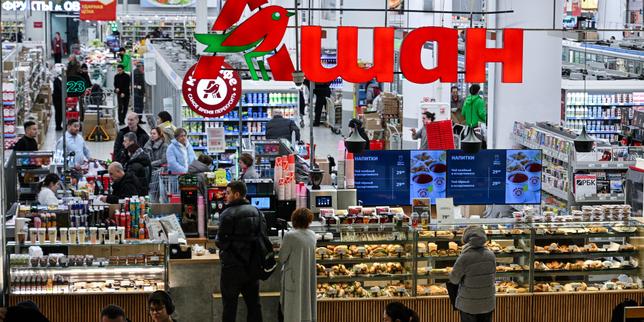
Take the recent pressure on major distribution networks like Metro. These aren't isolated bureaucratic hiccups. They represent a systematic policy shift designed to punish nations supporting Western sanctions while simultaneously transferring lucrative infrastructure into domestic hands.
Why Corporations Miscalculated The Exit Window
Many corporate executives made a critical mistake early on. They assumed that local legal frameworks would protect private property rights, even in wartime. That's a fundamental misunderstanding of how authoritarian state capitalism operates under severe pressure.
When economic survival becomes synonymous with national security, international property rights evaporate overnight. Companies that delayed their exits hoping to preserve asset value are now facing a brutal reality. You either write off your investments on your own terms, or the state does it for you—leaving you with zero compensation and a mountain of legal liabilities.
The exit barriers keep getting higher. Moscow has introduced steep mandatory discounts on asset sales by foreign owners exiting the country, alongside heavy exit taxes. Executives who thought they could negotiate a graceful exit find themselves cornered between selling for pennies on the dollar or facing outright expropriation.
The Broader Fallout For Global Supply Chains
This tit-for-tat asset seizure cycle creates a dangerous precedent. Once a major economy normalizes the expropriation of foreign private property, the threshold for similar actions elsewhere drops significantly. Investors are waking up to a fractured global market where geographic diversification no longer guarantees safety.
Supply chains are fracturing further. Companies that relied on Russian raw materials or downstream processing facilities are scrambling to decouple, often at an exorbitant cost. You can't simply pivot away from decades of integrated industrial supply chains in a few months. The friction shows up in higher production costs, squeezed profit margins, and chronic supply shortages.
What Business Leaders Must Do Now
If you're managing cross-border exposure, hope is not a strategy. You need to audit your asset exposure immediately.
First, map out every tangible and intangible asset you hold in jurisdictions with high geopolitical friction. Don't just look at direct subsidiaries; examine joint ventures, licensing agreements, and intellectual property rights that could be nationalized or replicated locally without your consent.
Second, reevaluate your risk tolerance. The era of frictionless globalization is dead. Operating in high-risk zones requires treating capital investments as high-risk bets that could go to zero without recourse.
Finally, stop dragging your feet on operational decoupling. Waiting for the political climate to improve is a gamble you're bound to lose. Protect your core business by cutting losses early, repatriating capital where legally possible, and insulating your balance sheet from future geopolitical shocks.
The rules have changed permanently. Adapt or get left behind.
La Russie Contre-Attaque : 230 Milliards d'actifs européens saisis
This video provides an in-depth analysis of the escalating financial confrontation and the scale of European assets targeted by Moscow.


