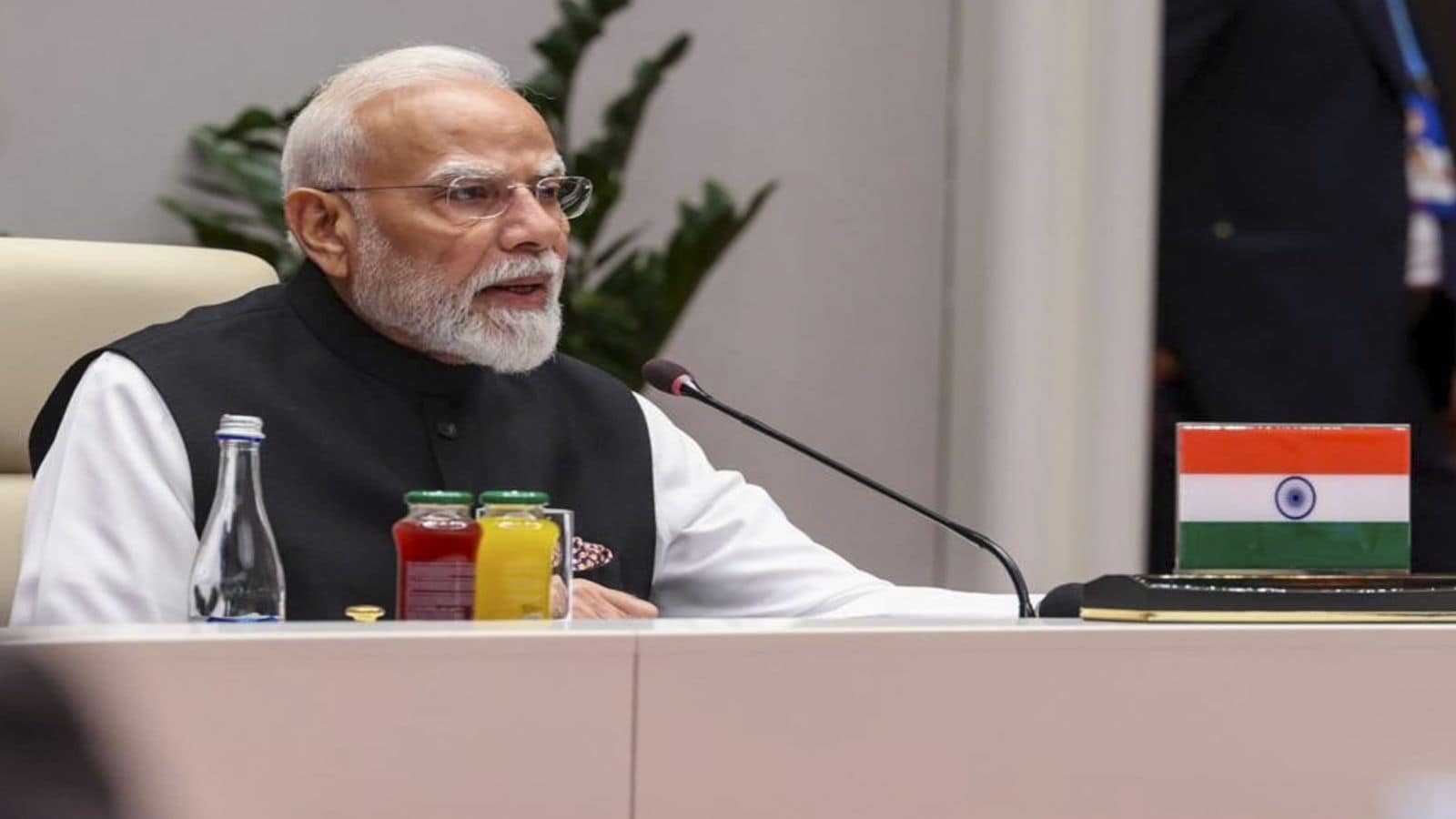
Geopolitical summits usually generate a lot of hot air and very little substance. Leaders shake hands for the cameras, issue vague press releases about cooperation, and fly home. But when Prime Minister Narendra Modi stepped up to the podium at the 26th Shanghai Cooperation Organisation (SCO) summit in Bishkek, he didn't bother hiding behind diplomatic pleasantries. He drew a hard line.
If you missed what actually went down in the Kyrgyz capital, you missed a masterclass in how India manages to sit at multiple tables without compromising its core red lines. Modi’s message wasn't just directed at the room. It was a direct challenge to the global status quo on terror, sovereignty, and modern conflict.
Zero Tolerance Means No Exceptions
The core of Modi’s address zeroed in on an uncomfortable truth for many international players. He stated bluntly that the world can no longer afford double standards when dealing with terrorism.
For years, various global blocs have treated terrorism as a localized nuisance or a geopolitical bargaining chip depending on who is committing the act. Modi dismantled that approach in plain terms. He called for the complete dismantling of the terror ecosystem—targeting the money, the safe havens, and the radicalization networks.
When you look at the subtext, this wasn't generic rhetoric. With Pakistani leadership sitting just feet away in the same hall, the warning against nations using cross-border terror as an instrument of state policy hit home. India's stance remains unyielding: terror and dialogue do not mix. If international forums want to talk about regional stability, they first have to stop coddling nations that treat extremism as a legitimate foreign policy tool.
Dialogue Over Destruction
Another major theme that dominated the Bishkek talks was the cascading cost of modern conflicts. From the grinding war in Ukraine to the devastating instability across West Asia, regional skirmishes rarely stay contained.
Modi leaned hard into a pragmatic reality check. Wars are no longer isolated events. They disrupt energy markets, choke global supply chains, and hammer the economies of the Global South the hardest. His prescription was straightforward: conflicts are not won on blood-soaked battlefields; they end at negotiating tables through dialogue and diplomacy.
This philosophy also shaped his bilateral sideline meetings. Whether engaging with Russian President Vladimir Putin or Iranian President Masoud Pezeshkian, the underlying thesis remained consistent. Stability requires hard-headed realism, not ideological crusades.
Connectivity Without Coercion
Trade and transport corridors were another flashpoint at the summit. Everyone loves talking about connectivity until it violates someone else's borders.
Modi made sure to insert a necessary caveat into any regional trade ambitions. Connectivity initiatives across Eurasia and Central Asia must respect national sovereignty and territorial integrity. You can't build economic corridors by riding roughshod over international law. It was a subtle, yet sharp, nod to ensure that regional infrastructure projects don't transform into backdoor debt traps or geopolitical leverage plays.
Why This Matters Moving Forward
The Bishkek declaration wasn't just another piece of paper. It captured real shifts, from formalizing deeper youth and technological frameworks to pushing back against external military interventions.
India's balancing act at the SCO proves that multi-alignment isn't about playing both sides. It's about asserting independent national interests in a fracturing world. Modi didn't go to Kyrgyzstan to blend in. He went to lay down the law on terror and remind world powers that true security starts when hypocrisy ends.