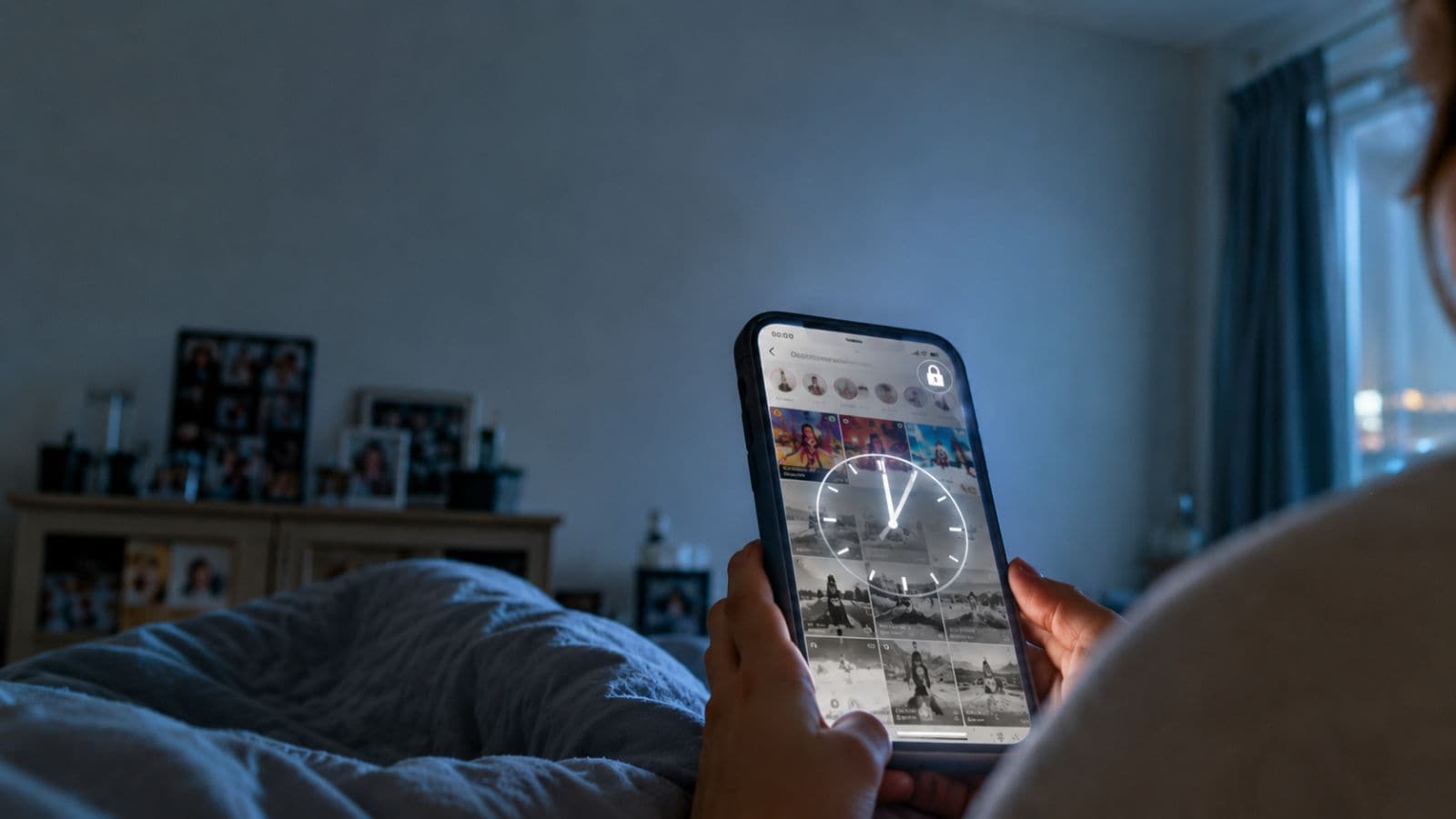
Meta just agreed to an $18 billion settlement with dozens of US states over youth mental health claims, and it's bringing some massive changes to Instagram and Facebook. If you're under 18, you're looking at a default two-hour daily limit and an overnight lock out starting at midnight. But Meta doesn't want to fly solo. The tech giant is intentionally holding back a chunk of cash and tying its strictest rules to whether TikTok and YouTube follow suit.
Will competitors actually adopt these sweeping curfews? Honestly, it's a messy game of corporate chicken.
The Reality of the Meta Settlement
For years, platforms have thrown basic parental controls at the wall and hoped regulators would look away. This time, the 52 attorneys general pushed hard enough to force actual product changes rather than just a fine that tech companies write off as the cost of doing business.
Under the proposed agreement, the mechanics are harsh. Teens get a cumulative two-hour cap across Instagram and Facebook. Parents can unlock it, sure, but the default is locked down. Night Mode blocks access entirely from midnight to 6 a.m. School hours get stripped of push notifications. Even algorithmic feeds, like filters and public likes, take a direct hit.
Meta is hedging its bets. Part of the settlement money—about $5.3 billion—is locked away until TikTok and YouTube match these exact standards. If they do, Meta claims it will tighten its own screws further, dropping the daily limit to a single hour and expanding the night curfew from 10 p.m. to 7 a.m.
Why TikTok and YouTube Hold All the Cards
Meta isn't doing out of pure altruism. If Instagram locks kids out at midnight while TikTok keeps pumping infinite vertical video into their eyes, teens will just migrate. Engagement rules the modern internet economy.
TikTok already features built-in limits for minors, but a rigid, court-backed curfew across the entire industry is an entirely different beast. YouTube sits in an even trickier spot because it doubles as an educational tool. Millions of kids use YouTube for homework help, tutorials, and long-form media. Applying a blunt midnight blackout or a strict two-hour cap breaks how younger generations use the platform.
Google and ByteDance aren't part of this specific state settlement. They don't face an immediate multi-billion dollar gun to their head in this exact courtroom. Expect them to drag their feet, commission studies, and argue that their existing digital wellbeing tools are enough.
What This Means for Parents Right Now
Waiting for TikTok and YouTube to voluntarily copy Meta is a waste of time. If you have teenagers in your house, relying on tech companies to parent them has always been a bad strategy.
The new Meta restrictions highlight a glaring truth: default settings matter. When an app forces you to opt-in or override a block, behavior changes. When the app relies on infinite scrolling and zero friction, kids lose hours to the glow of a screen.
Take matters into your own hands. Set device-level controls at the operating system level on iOS and Android rather than trusting individual apps. Block access at the router level when bedtime hits.
The era of the wild west internet for minors is closing down, but the transition will be chaotic. Meta made its move because it had to pay to play. Watch how quiet TikTok and YouTube stay over the next few months as they figure out how much market share they are willing to risk for teen safety.
TikTok sets daily screen time limit for under-18s
This video provides context on how rival platforms like TikTok have previously approached screen time caps for younger users.
http://googleusercontent.com/youtube_content/1